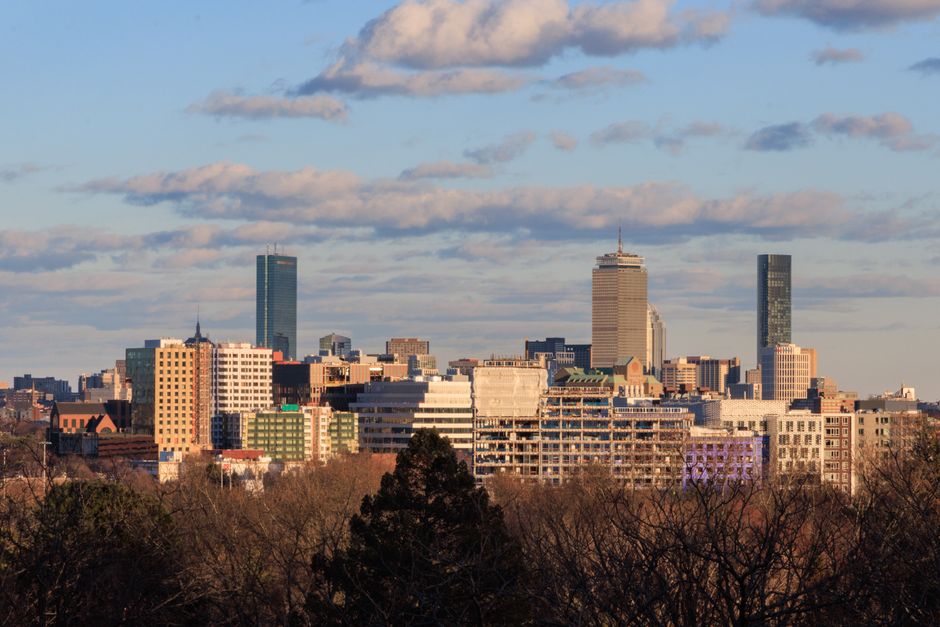
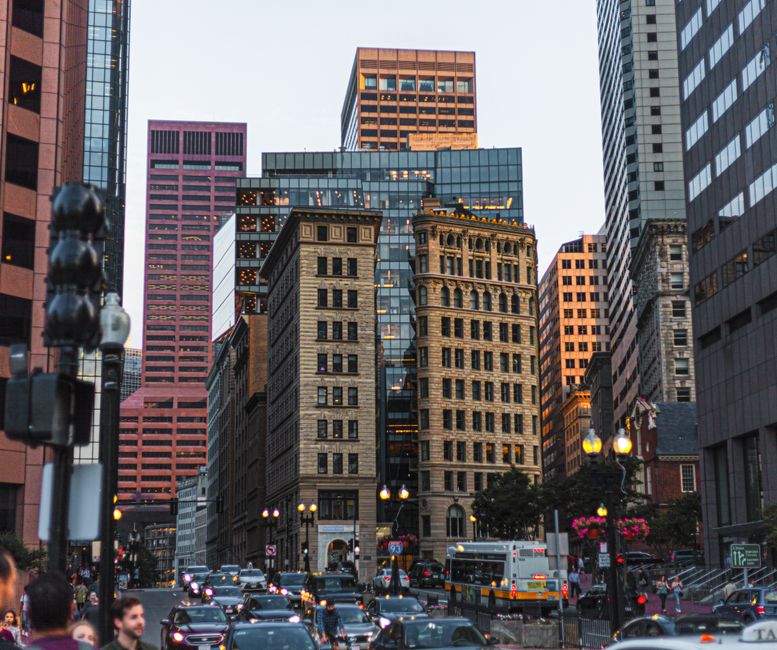
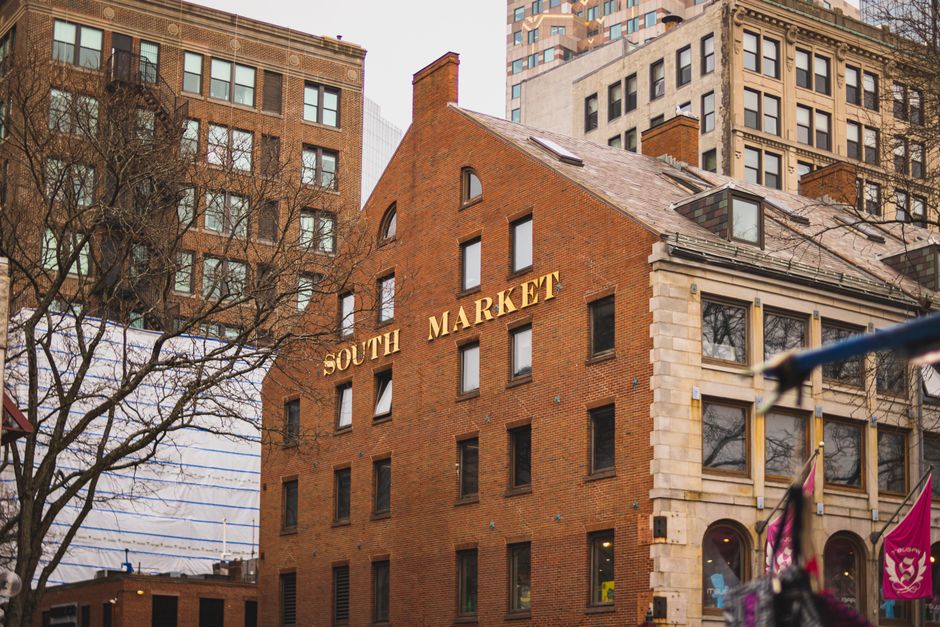
Boston's office market is undergoing a seismic shift, and unlike the tremors making headlines overseas, this one hits close to home—quite literally. The ripple effects of changing work patterns and remote flexibility are reshaping neighborhoods from Downtown Crossing to the Seaport, with tangible consequences for everyday residents and consumers.
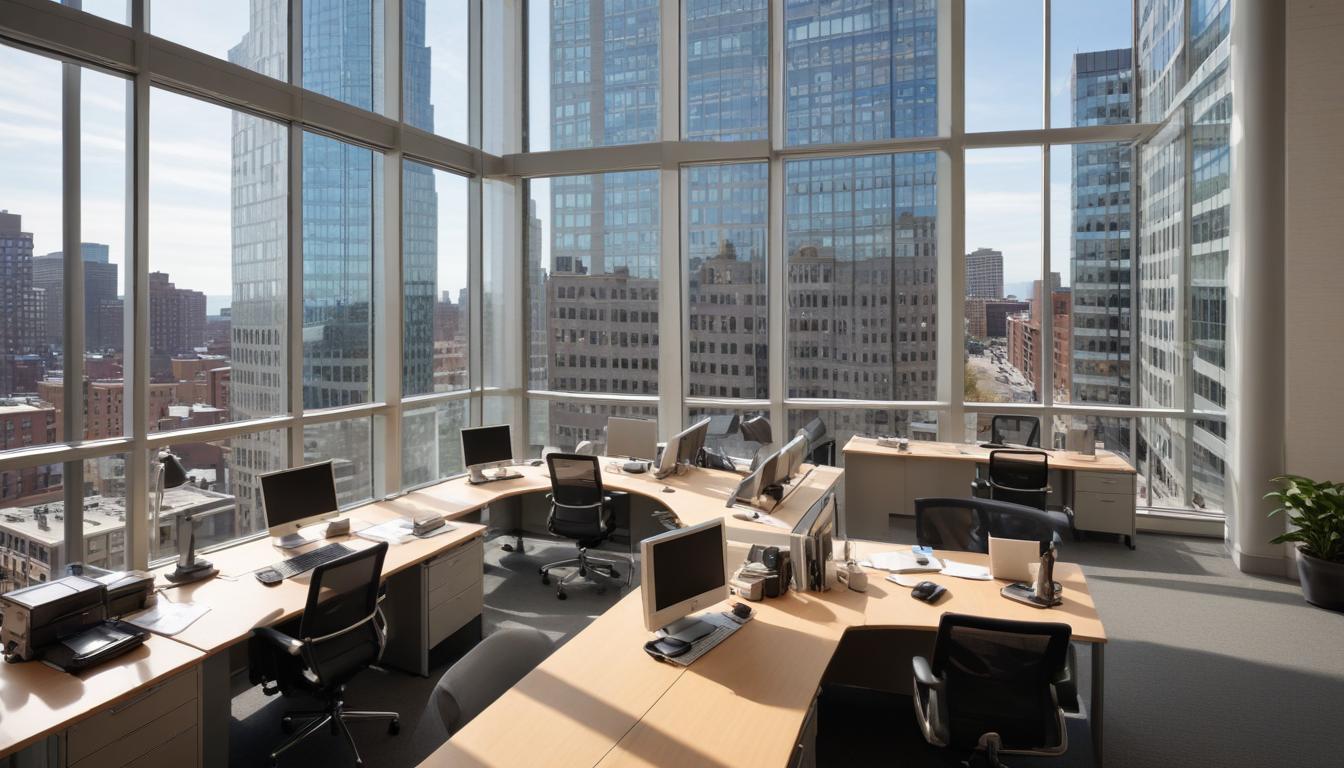
The numbers tell a stark story. Office vacancy rates in Greater Boston have climbed above 18 percent, the highest in decades, leaving landlords with empty floors and mounting pressure. Property values on Devonshire Street and other Financial District corridors have softened considerably. Yet this apparent catastrophe is creating unexpected opportunities for the city's residential landscape.
Here's what matters to you: conversion projects are booming. Developers are rapidly transforming aging office buildings into apartments and mixed-use spaces. The Prudential Center underwent renovations to add residential units above retail, while similar projects are underway in the Leather District and along Atlantic Avenue. More housing stock typically means more pressure—but also more neighborhood activity, new restaurants, and service businesses catering to residents rather than office workers.
Your wallet is affected too. Commercial landlords facing pressure are increasingly offering ground-floor retail at competitive rates. This has attracted independent coffee shops, boutiques, and restaurants to areas previously dominated by corporate tenants. Hanover Street in the North End, once struggling with retail vacancies, now hosts a rotating lineup of small businesses capitalizing on lower rents.
But there's a trade-off. The death of the five-day office week has devastated lunch spots, dry cleaners, and service businesses that thrived on dense daytime populations. Downtown lunch traffic has plummeted roughly 40 percent since 2019. Some restaurants near Boston Common have closed; others have retooled their menus and hours.
For renters, conversion projects offer more inventory, which theoretically improves bargaining power—though Boston remains expensive. A one-bedroom apartment in a converted office building in the Financial District still commands $2,400 to $2,800 monthly.
The broader picture: Boston's commercial real estate crisis is fundamentally reshaping urban life. Landlords who adapt by converting spaces thrive; those clinging to outdated office models struggle. As a resident or consumer, you're witnessing—and experiencing—a fundamental reimagining of what downtown Boston is becoming. That transformation will define your neighborhood's character for the next decade.
This article was compiled by AI from the sources linked above and screened before publishing. See our editorial standards.