Boston's tourism economy is roaring back. Last year, the Greater Boston Convention & Visitors Bureau reported 28.6 million overnight stays, representing a 12% increase from 2024. Yet beneath these headline numbers lies a quieter revolution: a new generation of entrepreneurs is moving beyond the Freedom Trail and Fenway Park to create bespoke, neighborhood-centric experiences that turn casual visitors into repeat customers and brand ambassadors.
At the forefront is a breed of tour operators and hospitality innovators who understand that modern travelers want authenticity over spectacle. These entrepreneurs are tapping into Boston's genuine strengths—its deep history, world-class universities, cutting-edge biotech corridor, and fiercely local food culture—to create offerings that feel less like tourism and more like genuine discovery.
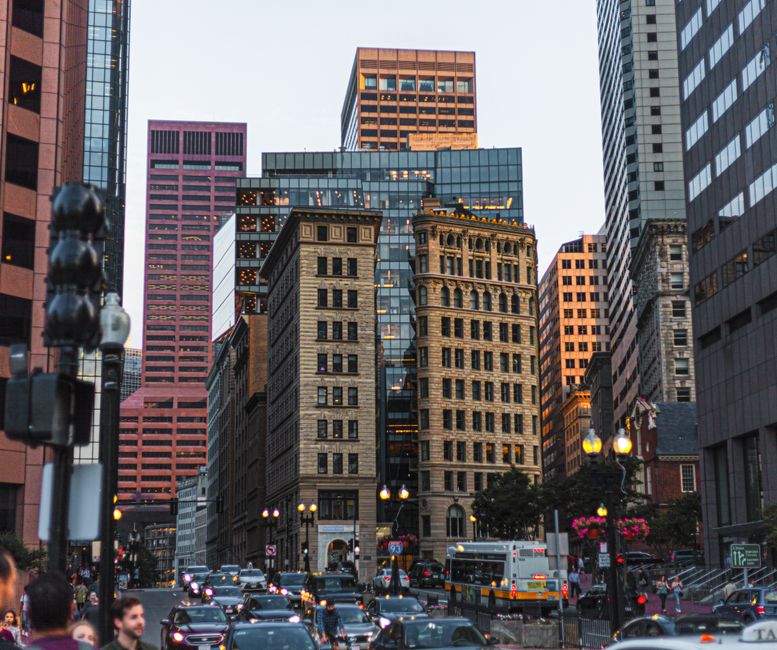
The shift is particularly evident in neighborhoods like the Back Bay and Fort Point Channel, where boutique tour companies now offer everything from craft brewery crawls through Seaport to architecture-focused walks examining the evolution of Boston's skyline. Average tour prices have climbed to $85-$120 per person, reflecting higher-quality, smaller-group experiences—a sharp departure from the bulk-tour model of years past.
What's driving this transformation? Several factors converge. First, Boston's reputation as a center for innovation and education has attracted a different class of visitor—professionals, academics, and families seeking meaningful cultural engagement rather than typical tourist attractions. Second, the rise of experiential travel means visitors are willing to pay premium prices for authentic, curated moments.
Industry data supports the trend. Hotels in neighborhoods like Beacon Hill and Cambridge are reporting stronger occupancy rates than downtown chains, suggesting visitors are seeking out-of-the-way neighborhoods. The Boston hotel market, valued at approximately $2.8 billion annually, is increasingly driven by locally-focused attractions and word-of-mouth recommendations rather than traditional marketing.
These entrepreneurs often start small—a single tour guide with deep neighborhood knowledge, a restaurant owner offering chef-led culinary walks, a historian launching specialized historical seminars. But the impact scales quickly. They employ local staff, source from local businesses, and create natural multiplier effects throughout the economy.
As Boston competes with major cities like New York and San Francisco for visitor spending, these homegrown innovators offer a competitive advantage: they understand the city's soul in ways corporate tourism boards cannot replicate. Their success suggests the future of Boston's visitor economy isn't about bigger attractions, but deeper connections.
This article was compiled by AI and screened before publishing. See our editorial standards.