From Seaport Startup to Scale-Up: How One Boston Founder Built a $50M Climate Tech Company
Meet the entrepreneur turning Seaport District's innovation ecosystem into a blueprint for sustainable business growth.
Meet the entrepreneur turning Seaport District's innovation ecosystem into a blueprint for sustainable business growth.
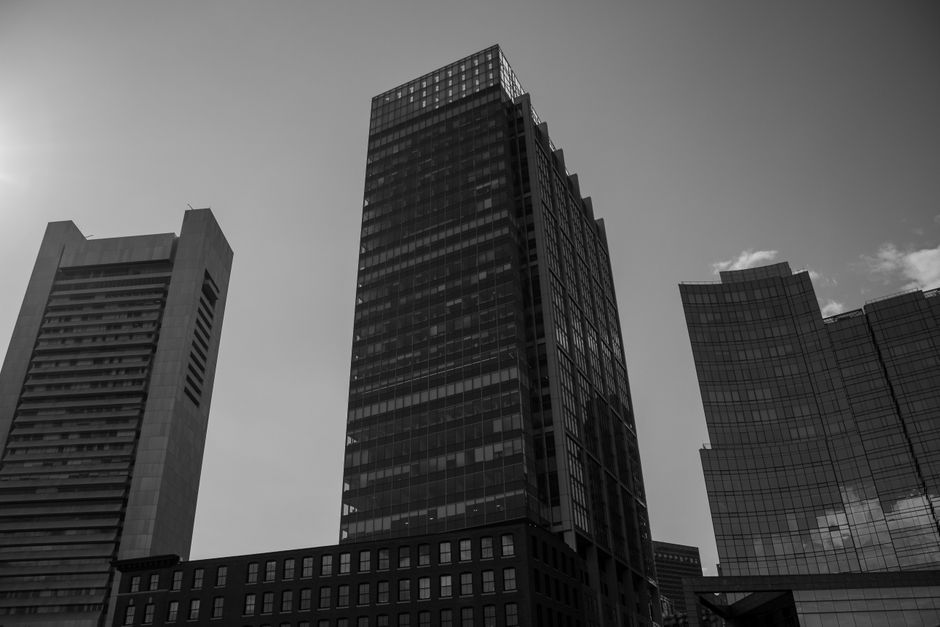
When Melissa Chen opened her first office on Seaport Boulevard in 2019, Boston's climate tech scene was fragmented. Today, her company, Verdant Systems, employs 120 people across two floors of the Innovation and Design Building and has attracted $18 million in Series B funding. Her story offers a masterclass in local entrepreneurship during uncertain economic times.
Chen, a former MIT researcher specializing in industrial carbon capture, saw an opportunity in New England's manufacturing base. Most regional factories lacked affordable ways to monitor and reduce their carbon footprint. "Boston has this incredible talent pool and deep industrial roots," she explains. "We decided to build here, not leave."
Verdant's software platform helps mid-sized manufacturers reduce emissions by 15-30 percent within eighteen months, commanding an average contract value of $180,000 annually. The company now counts 47 New England factories as clients, generating annual revenue of approximately $8.4 million. What started as Chen and two co-founders working from a shared desk at Cambridge Innovation Center has evolved into a serious player in the $23 billion global carbon management software market.
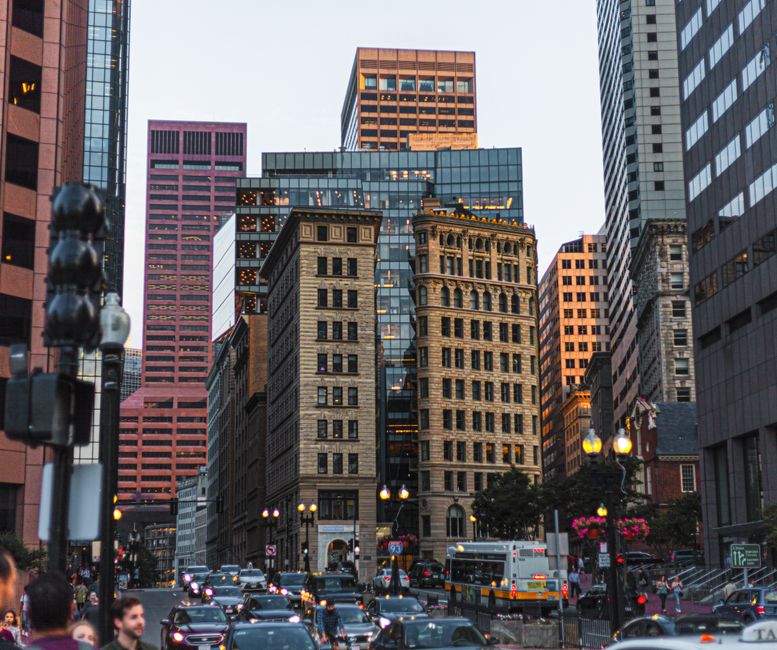
The Seaport District's evolution proved crucial to Verdant's growth trajectory. The neighborhood's concentration of venture capital firms, established tech companies like GE and Accenture, and proximity to universities created what Chen calls "the perfect incubation zone." Boston's venture community invested $3.2 billion in startups last year, according to PitchBook data, with climate and sustainability representing 18 percent of that total.
Chen's approach differs markedly from venture-obsessed competitors chasing hypergrowth. Verdant targets profitability by 2028 and reinvests 40 percent of revenue into R&D. "We're not trying to dominate globally in five years," she says. "We're building a sustainable business that creates long-term value for our region."
Her strategy is paying dividends beyond the balance sheet. Verdant has partnered with Northeastern University's Sustainable Supply Chain Lab, offering internships to 12 students annually. The company also sponsors the Boston Green Business Bureau's annual summit, held each October in Back Bay.
As Boston competes with San Francisco and New York for entrepreneurial talent, leaders like Chen represent the city's competitive advantage: deep technical expertise combined with authentic commitment to local community. Her next target: expanding into New York and Pennsylvania manufacturing hubs by 2027 while keeping headquarters firmly in Boston.
For aspiring entrepreneurs watching from coffee shops across the city, Verdant's trajectory offers hope that significant success doesn't require leaving New England—only vision, persistence, and faith in the ecosystem.
This article was compiled by AI and screened before publishing. See our editorial standards.
How does this story make you feel?
Spread the word
About this article
Published by The Daily Boston
Daily brief
Free, in your inbox before 7am. Weekdays.
More in Business