Boston's Innovation Engine Sputtering: Startup Ecosystem Faces Perfect Storm of Headwinds in 2026
Rising office costs, talent flight, and tighter venture capital are testing whether the region can maintain its status as a global innovation hub.
Rising office costs, talent flight, and tighter venture capital are testing whether the region can maintain its status as a global innovation hub.
Boston's startup ecosystem, long celebrated as a engine of American innovation, is hitting turbulence. A combination of macroeconomic pressures, real estate economics, and shifting venture capital priorities is creating significant headwinds for the entrepreneurs and investors who have fueled the region's growth from Kendall Square to the Seaport District.
The numbers tell a sobering story. Venture capital funding in the Boston area has declined sharply this year, with early-stage funding rounds down roughly 35 percent compared to the same period in 2024, according to preliminary data from regional investment tracking firms. Meanwhile, office lease rates in Cambridge's biotech corridor have climbed to $80 per square foot annually—up from $65 just two years ago—forcing younger companies to make difficult decisions about expansion or relocation.
The talent drain compounds these challenges. Boston's historically tight labor market, already stressed by competition from tech hubs in Austin and Miami, is seeing accelerated departures. Engineering salaries have stagnated even as living costs surge, making it harder for early-stage startups to compete with established firms like Moderna, Wayfair, or the Boston-area offices of Meta and Google. One venture partner on Newbury Street noted privately that recruitment timelines have doubled for technical roles.
The biotech sector, traditionally a Boston strength, faces distinct pressures. Drug development costs continue climbing while regulatory scrutiny intensifies. Several promising life sciences startups in the Innovation District have either extended funding timelines or merged with better-capitalized competitors rather than pursue independent paths.
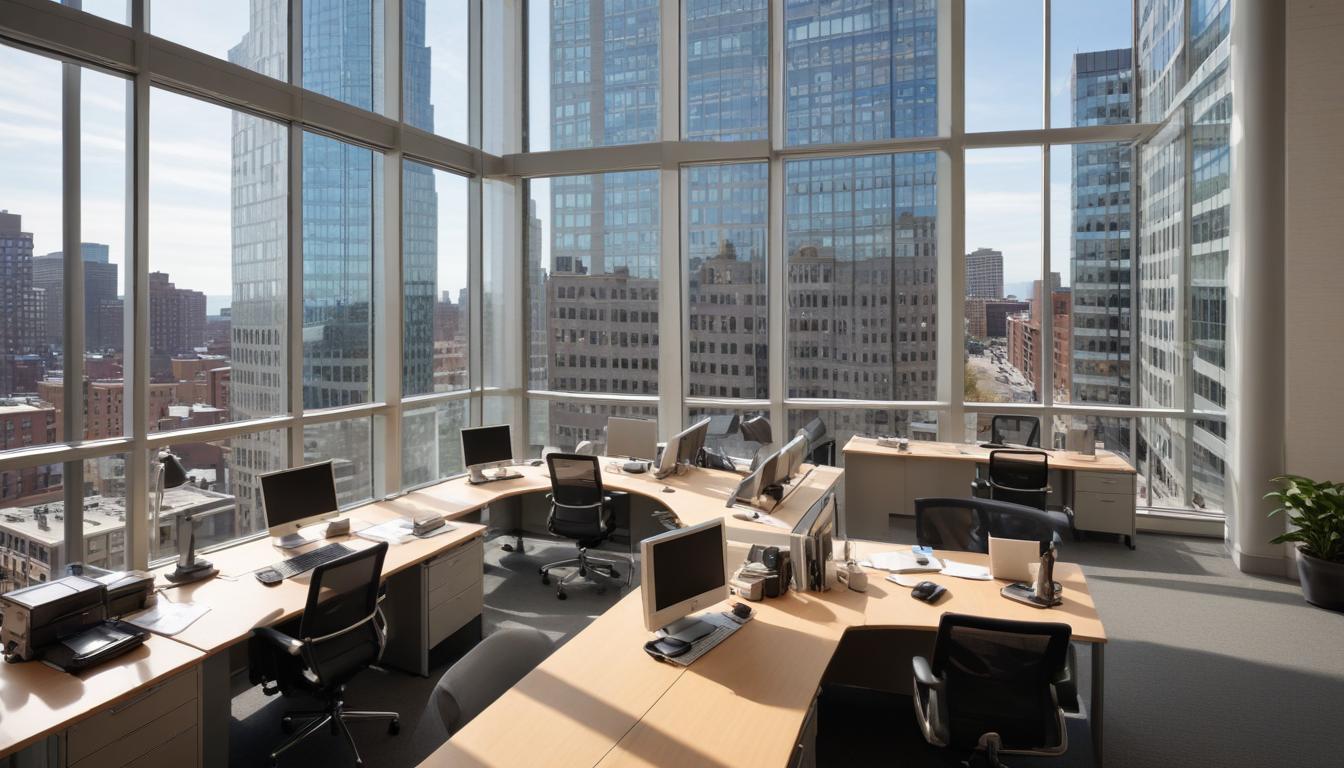
Real estate dynamics are equally constraining. The pivot to hybrid work models has reduced pressure on office space overall, yet landlords in prime innovation zones are reluctant to discount. This leaves startups caught between expensive permanent leases and the instability of short-term arrangements. Coworking spaces along Atlantic Avenue and in Cambridge have seen modest upticks in utilization, but operators say margins are razor-thin.
Perhaps most troubling for the long term: institutional venture capital is redeploying elsewhere. Major Boston-based firms are opening satellite offices in lower-cost regions, and out-of-state investors are scrutinizing Boston deals with fresh skepticism about valuations and exit prospects.
Yet there are countervailing currents. Federal research funding flowing through MIT, Harvard, and Boston University remains robust. Some sectors—particularly climate technology and advanced manufacturing—continue attracting investor attention. The question is whether these bright spots can sustain the ecosystem while headwinds persist.
This article was compiled by AI and screened before publishing. See our editorial standards.
How does this story make you feel?
Spread the word
About this article
Published by The Daily Boston
Daily brief
Free, in your inbox before 7am. Weekdays.
More in Business