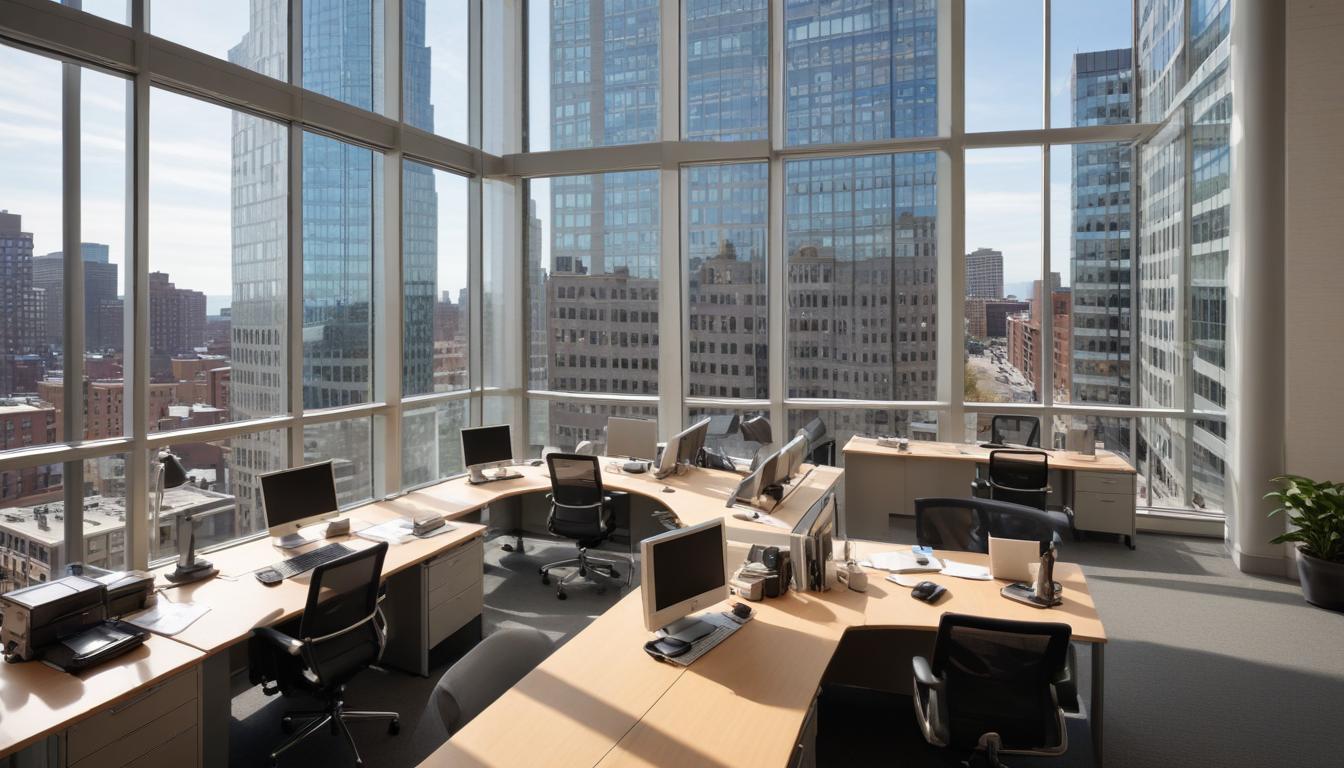
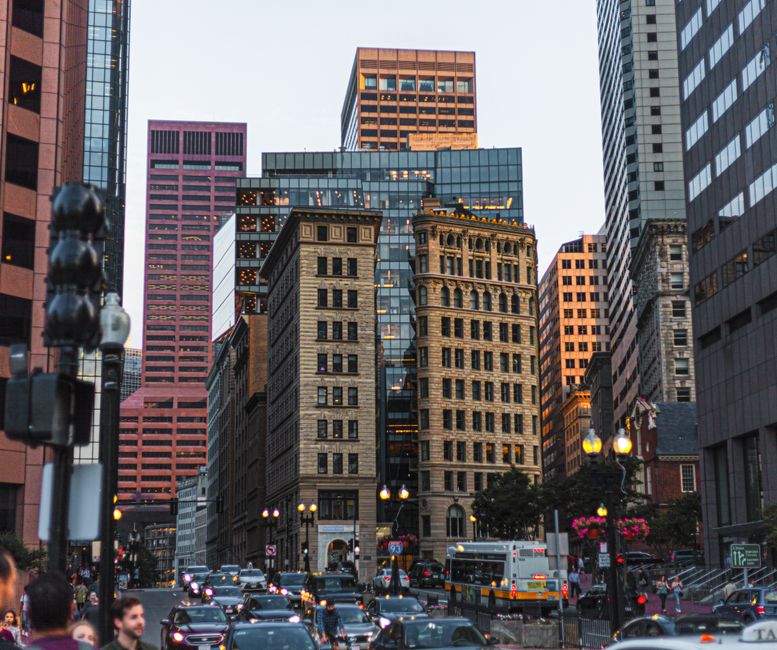
Boston's commercial real estate market, long insulated by its reputation as a stable hub for life sciences and technology, is now grappling with the ripple effects of global instability. The ongoing uncertainty in the Middle East, political upheaval in key international markets, and broader geopolitical tensions are prompting multinational corporations to reconsider their office footprints in Back Bay, the Seaport District, and Cambridge—reshaping demand patterns that landlords have banked on for years.
The shift is subtle but measurable. Class A office space in the Seaport, which commanded $65 to $75 per square foot annually just eighteen months ago, is experiencing softening demand as financial services and consulting firms reassess their global expansion plans. Several multinational organizations have delayed or scaled back build-outs along Atlantic Avenue and Fan Pier Boulevard, according to commercial real estate brokers tracking the market. The uncertainty appears tied directly to companies' international operations and their appetite for risk in unstable regions.
For Boston-based firms with international exposure—particularly those with operations in Venezuela, the Middle East, or regions experiencing political volatility—the calculus has shifted. Companies are consolidating footprints, favoring smaller, more flexible leases over long-term commitments. This trend particularly affects the Cambridge biotech corridor and downtown financial district, where many firms maintain regional headquarters serving global operations.
"We're seeing tenants take a more cautious stance on expansion," said one Boston-area commercial real estate advisor. "When your executive team is managing crises abroad, investing capital in new office space becomes a lower priority." Average asking rents in prime downtown locations have plateaued, with landlords offering more tenant improvement allowances and lease concessions than they have in five years.
The international insurance and reinsurance sectors, concentrated around Boston's financial district, face particular pressures as geopolitical claims mount. Meanwhile, life sciences firms—historically Boston's strongest sector—continue steady demand, though even they're showing caution about expansion timelines.
Developers eyeing new construction in Kendall Square and along the Greenway are watching these trends closely. Several planned office projects have been delayed or redesigned for mixed-use purposes, hedging against sustained commercial real estate headwinds. For Boston's commercial real estate market, the lesson is clear: even a city as economically resilient as Boston cannot fully decouple from global events. The question now is how long this caution persists—and whether it marks a fundamental shift in how companies think about their physical footprint in an unstable world.
This article was compiled by AI from the sources linked above and screened before publishing. See our editorial standards.