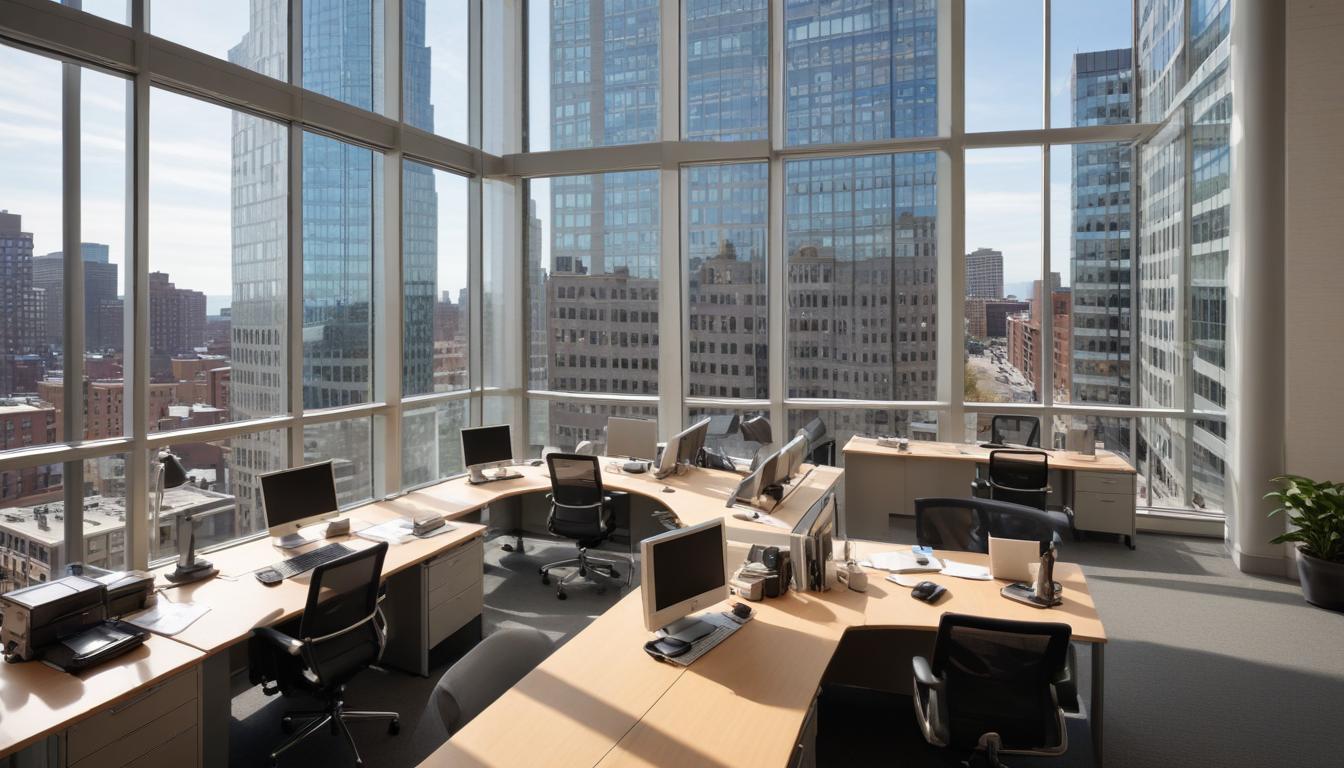
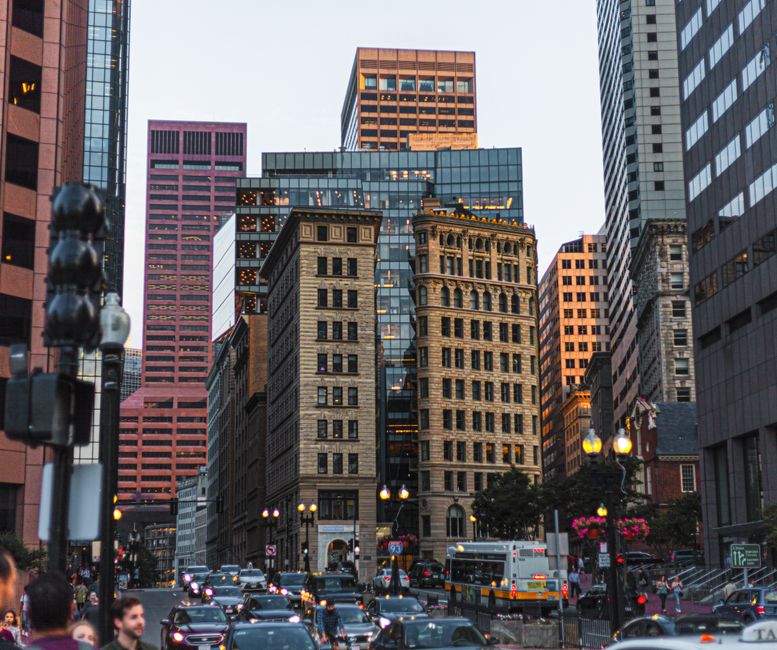
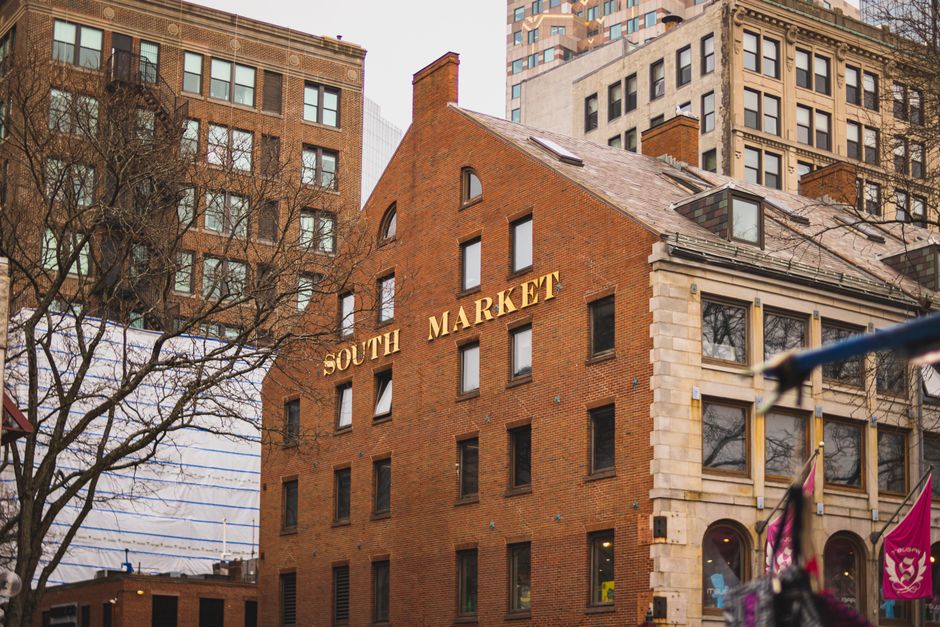
Walk along Seaport Boulevard on any weekday afternoon and you'll witness Boston's transformation firsthand: glass-fronted office towers packed with startups, construction cranes dotting the skyline, and coffee shops perpetually crowded with laptop-toting entrepreneurs. But while venture capitalists celebrate the city's emergence as a global innovation hub, longtime residents and renters are grappling with the practical consequences of this boom.
The numbers tell a striking story. According to the Boston Planning and Development Agency, the Seaport District—once a maritime cargo hub—has attracted over $2 billion in venture capital investment since 2020. That influx has transformed not just the waterfront, but neighborhoods like the Leather District, Fort Point, and increasingly, South Boston and Dorchester. The median rent for a one-bedroom apartment in Seaport has climbed to approximately $2,800 monthly, nearly double what it was five years ago.
For residents, this raises urgent questions. Are you being priced out of neighborhoods you've called home? Absolutely, for some. But there's another side to understand. Boston's startup ecosystem—now anchored by life sciences, biotech, and artificial intelligence companies—has created over 15,000 new jobs in the past three years, many of them accessible to people without advanced degrees. Software testing, project coordination, customer support roles in emerging companies often offer salaries ranging from $55,000 to $75,000, with equity options that could prove valuable.
The innovation district's expansion also carries infrastructure implications. Increased foot traffic along Atlantic Avenue and near the Institute of Contemporary Art means improved transit services, new food vendors, and retail options—but also congestion and noise. The MBTA has acknowledged that Seaport's population surge strains existing services, though the agency remains noncommittal about expansion timelines.
Local business improvement districts argue that rising property values create opportunity for existing businesses to sell or relocate profitably. However, small retailers—from family-owned restaurants in Fort Point to longtime services in the Leather District—report struggling to renew leases at sustainable rates.
For everyday Bostonians, the key takeaway is this: the innovation district isn't abstract economic policy—it's reshaping your commute, your housing costs, your job prospects, and your neighborhood's character. Whether that change is positive depends partly on your perspective and partly on whether Boston's leaders can balance growth with affordability. The conversation happening in city council chambers and planning meetings matters to you, whether you realize it or not.
This article was compiled by AI and screened before publishing. See our editorial standards.