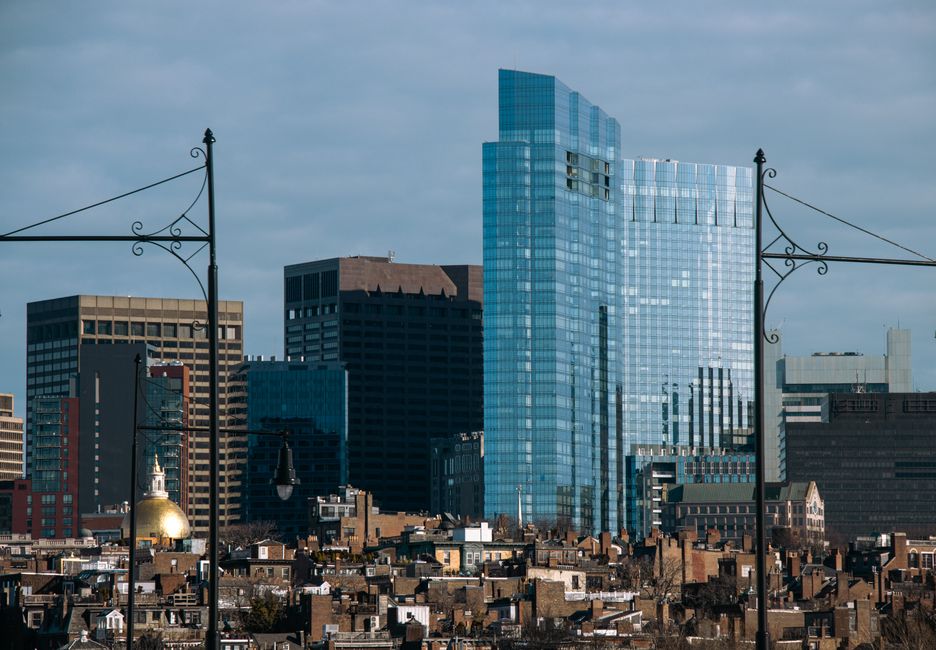
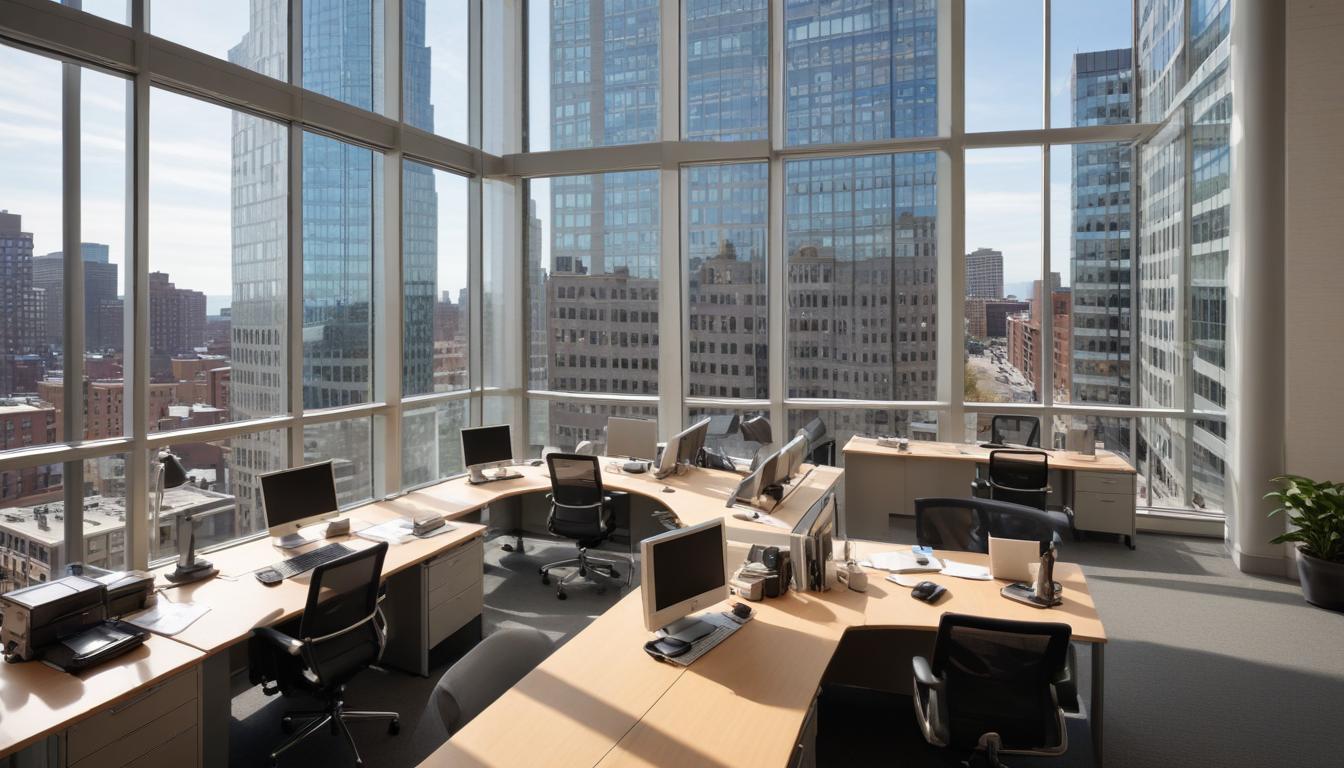
Boston's job market is undergoing a seismic shift that threatens to upend the city's economic geography. After three years of flexible arrangements, major employers across the Financial District and Cambridge are demanding employees return to desks three, four, or five days a week—and the ripple effects are reshaping where talent wants to work and live.
The trend is most visible in the city's transformation hubs. A recent survey of 200 Boston-area employers found that 67 percent now require in-office presence at least three days weekly, up sharply from 31 percent in early 2024. For knowledge workers who spent the pandemic optimizing suburban commutes from Brookline to Providence, the mandate represents a genuine disruption.
"We're seeing real tension," says the Greater Boston Chamber of Commerce's research arm, which has tracked how return-to-office policies are affecting housing demand, transit ridership, and retail activity along the Red and Blue Lines. Boston Landing in Brighton, the Seaport District's gleaming office parks, and Cambridge's Kendall Square—once pandemic ghost towns—are now battlegrounds for talent.
The consequences are contradictory. Downtown Boston's commercial real estate market is stabilizing; office vacancy rates fell to 14.2 percent by mid-2026, the tightest in four years. Yet this masks deeper distress. Suburban office parks—in Waltham, Needham, and along Route 128—are hemorrhaging tenants, with landlords offering aggressive concessions to retain occupants.
For workers, the pressure is acute. Tech and finance professionals who accepted lower salaries in exchange for remote flexibility now face a choice: return to the office, relocate, or find employers still willing to negotiate. Some industries are losing ground. Software developers and product managers—roles that thrived remotely—are increasingly scarce in Boston's labor pool, with median salaries climbing 8 percent year-over-year as firms compete for those willing to commute.
Real estate markets reflect this tension. Apartment rents near transit hubs in Cambridge and along the Orange Line corridor have jumped 6 percent since January, while suburban rental markets have softened. Landlords near Massachusetts Avenue and Kendall Square report waiting lists; those in outer suburbs report rising vacancy.
The shift is also reshaping neighborhood economies. Coffee shops, lunch spots, and gyms near major office corridors are seeing renewed foot traffic, while similar businesses in residential areas are struggling. The MBTA has quietly increased service on its highest-demand lines, tacit acknowledgment that remote work's promise of geographic liberation was temporary.
For Boston's broader economy, the question now is whether this return consolidates the city's role as a top-tier talent hub or whether employers' inflexibility drives talented workers to friendlier cities. So far, Boston's wages are rising—suggesting the city is winning the immediate battle. Whether that advantage holds depends on whether employers learn to meet workers halfway.
This article was compiled by AI from the sources linked above and screened before publishing. See our editorial standards.