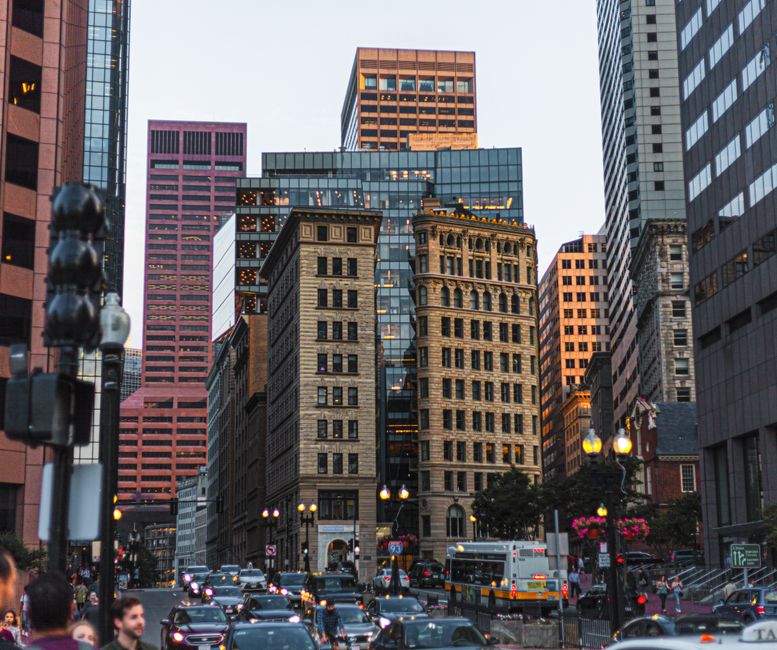
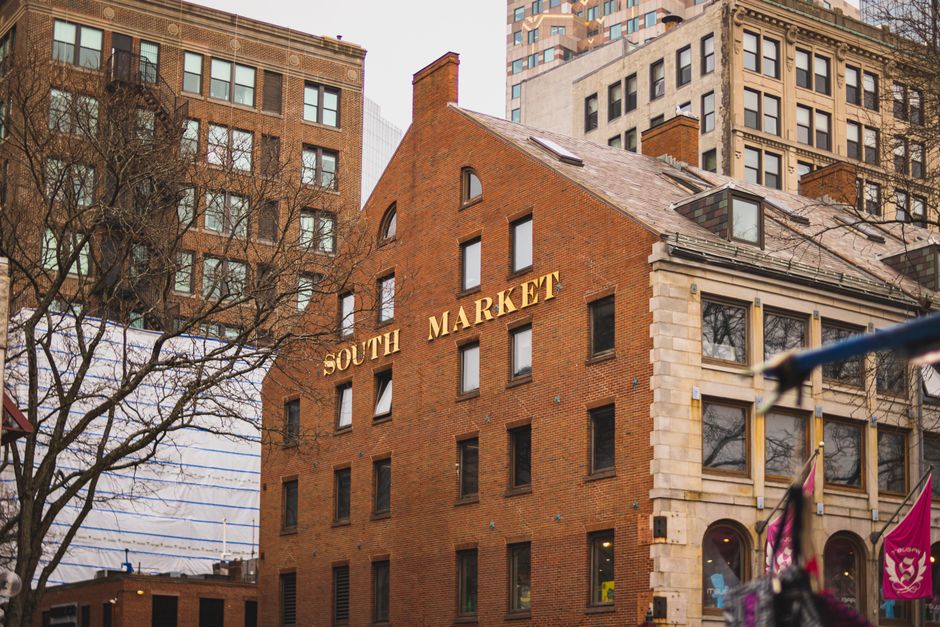
The cobblestone streets of Faneuil Hall are quieter than usual for late June. Hotel occupancy across Boston has sagged to 78 percent this month, down from 84 percent a year ago, according to preliminary data from the Greater Boston Convention & Visitors Bureau. Downtown restaurants along Hanover Street report reservation books that are noticeably thinner, while the New England Aquarium and Museum of Fine Arts both noted single-digit attendance growth in Q2—a stark contrast to pre-pandemic recovery years.
The Boston visitor economy, which generated approximately $20 billion in spending in 2025 and supports roughly 95,000 jobs across hotels, restaurants, attractions, and retail, is facing a perfect storm of headwinds as summer travel season gets underway.
International arrivals remain the most visible casualty. Flights from Europe to Logan Airport are running roughly 12 percent below last year's levels, industry sources say. Global geopolitical tensions, compounded by lingering Middle East volatility and currency fluctuations, have made transatlantic travel less appealing. "We're hearing from travel agents that European groups are simply postponing," said one Back Bay hotel manager who requested anonymity.
Domestic travellers, meanwhile, are being squeezed by a different set of pressures. Airfares from major feeder markets like New York, Philadelphia, and Washington DC remain elevated—averaging $240-280 round-trip in June, compared to historical averages closer to $200. The post-pandemic normalization of ticket prices has stuck. Gas prices, while lower than last summer, still weigh on road-trip economics.
The weakness extends to luxury spending. High-end retailers along Newbury Street report softer foot traffic, particularly among international clientele who traditionally drive significant margins. Tourist-oriented restaurants in the Seaport District are discounting more aggressively than in previous years to fill tables.
Labor costs compound the challenge. Boston-area hospitality wages have risen 8 percent since 2024, pushing up operating costs for hotels and venues from the Copley Plaza to TD Garden. Some operators are consolidating services rather than raising prices further.
The Convention & Visitors Bureau is launching a mid-summer promotional campaign focused on regional and drive-to markets—a defensive posture that suggests low expectations for a tourism recovery before Labor Day. Industry analysts project the visitor economy will grow just 2-3 percent this year, well below the 6-8 percent targets set annually.
For a city that has leaned heavily on tourism growth to offset slower commercial real estate activity, the slowdown arrives at an inconvenient moment.
This article was compiled by AI from the sources linked above and screened before publishing. See our editorial standards.