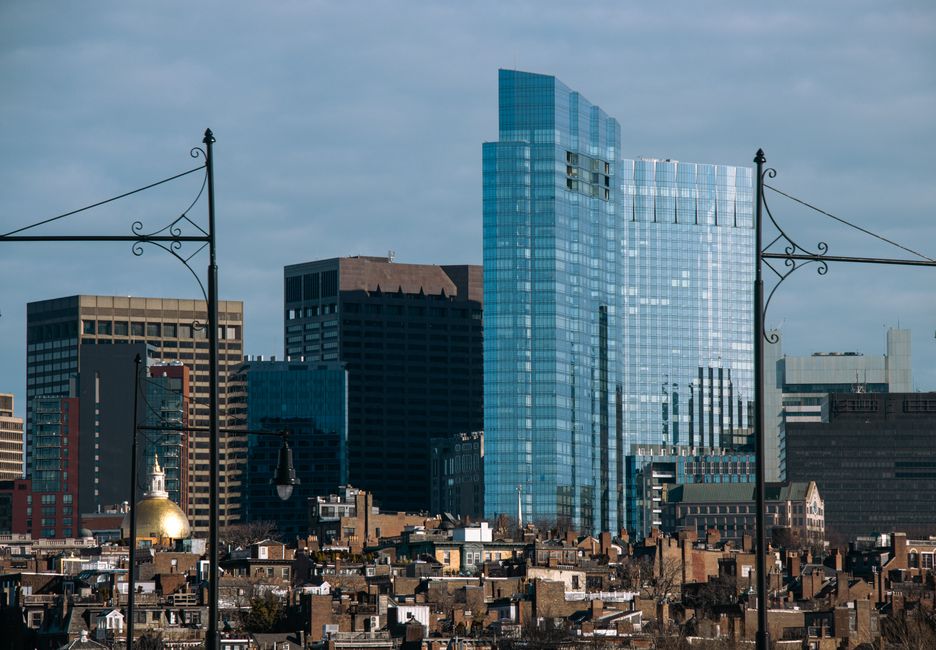
Boston's commercial property market has long thrived on its reputation as a stable haven for global capital. But as geopolitical instability spreads—from Venezuelan economic collapse to Middle Eastern tensions—local landlords and developers are confronting an uncomfortable truth: the city's office sector cannot insulate itself from the world's mounting uncertainties.
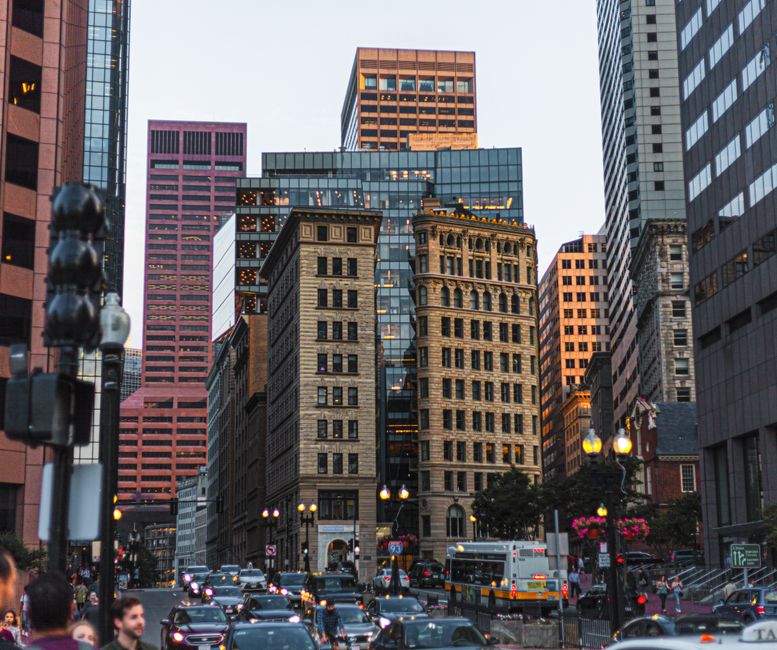
The numbers tell a cautious story. According to recent market data, office vacancy rates in Boston's Financial District and Back Bay have climbed to levels not seen since the pandemic recovery, hovering near 12 percent. Meanwhile, asking rents on prime real estate like those along Milk Street and Boylston Street have plateaued after years of growth, with some Class A properties adjusting rates downward for the first time in three years.
The culprit? A confluence of global headwinds. International firms—particularly financial services companies with exposure to volatile regions—are consolidating footprints and reducing their Boston presence as a precautionary measure. Several major investment firms have quietly scaled back lease commitments in the Prudential Center and 111 Huntington Avenue, citing uncertainty around foreign investment regulations and cross-border transaction costs.
"When you have instability abroad, capital gets conservative," explains the sentiment among Boston real estate circles, as firms reassess expansion plans and headquarters investments. The city's historically strong appeal to multinational corporations depends partly on its perceived neutrality and predictable business environment—advantages that matter less when global markets are volatile.
Yet Boston's diversified economy offers some insulation. The biotech corridor along the Longwood Medical and Seaport areas continues attracting domestic venture capital, helping offset losses in traditional finance and professional services sectors. Newer neighborhoods like Fort Point are seeing renewed interest from tech-forward companies seeking alternatives to saturated downtown markets.
Local developers are hedging their bets. New construction has slowed considerably compared to the 2019-2021 boom, with several planned office projects on hold pending clearer market signals. The city's institutional anchors—universities, major hospitals, and research institutions—remain committed tenants, providing a stabilizing counterweight to volatile international capital flows.
The lesson for Boston's business community is clear: even a city built on domestic strengths cannot ignore global dynamics. Property owners and corporate tenants alike are bracing for a longer, messier adjustment period than many anticipated just months ago. The question facing Boston now isn't whether to remain globally connected, but how to prosper while the world around it remains deeply unsettled.
This article was compiled by AI from the sources linked above and screened before publishing. See our editorial standards.