Boston's Hospitality Renaissance: Who's Capitalizing on the Summer Dining Boom
As foot traffic surges across the Seaport and Back Bay, smart operators are already reaping rewards from structural shifts in how Bostonians eat and entertain.
As foot traffic surges across the Seaport and Back Bay, smart operators are already reaping rewards from structural shifts in how Bostonians eat and entertain.
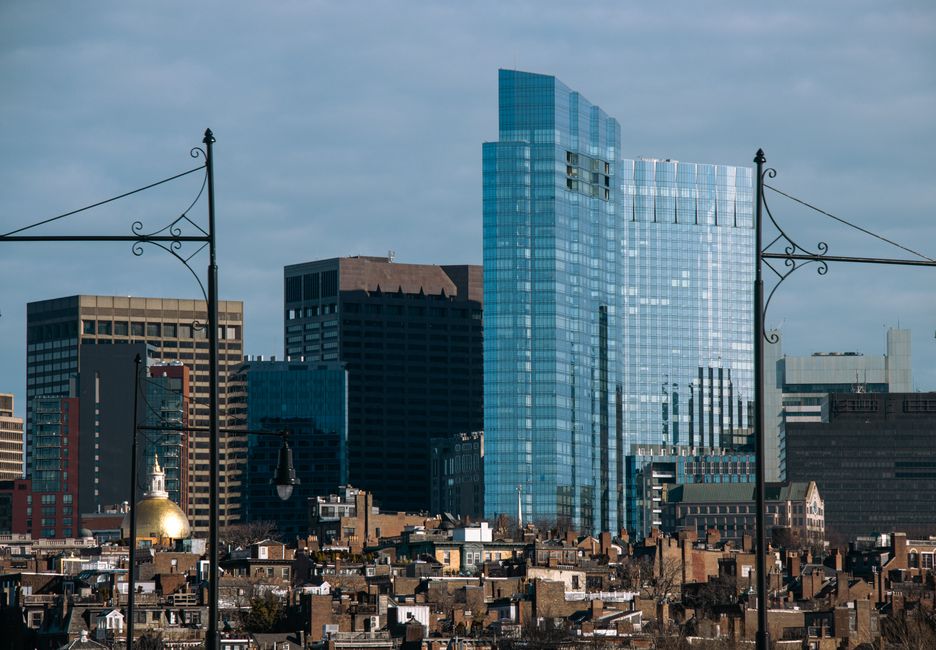
Boston's retail hospitality sector is experiencing a pronounced inflection point this summer, driven by a confluence of factors that savvy operators have begun to exploit with measurable success.
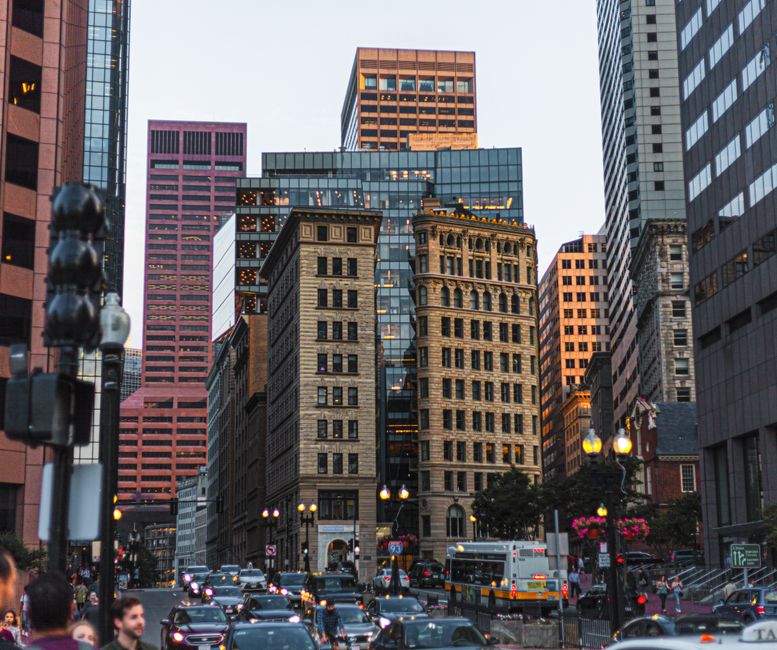
The numbers tell the story. Foot traffic across the Seaport District has climbed 23% year-over-year through June, according to preliminary data from the Downtown Boston Business Improvement District, while similar gains appear across Newbury Street and Hanover Street in the North End. What's driving this? A delayed but decisive return of corporate travel—convention attendance at the Boston Convention and Exhibition Center is tracking 15% above 2025 levels—combined with a demographic shift toward experiences over goods among affluent millennials now settling in neighborhoods like the Leather District and Fort Point.
The winners are those positioned to capture this demand efficiently. Fast-casual concepts have proven particularly nimble. A new Mediterranean-focused restaurant group just opened its third location on Lansdowne Street, capitalizing on the sports bar clientele's hunger for higher-margin, better-quality food. Their average check: $34 per person, compared to $18 at traditional competitors. Meanwhile, upscale food halls—a category that seemed saturated—continue drawing crowds. The Time Out Market Boston, which opened last fall in the Prudential Center, now operates at 89% capacity during peak hours, a figure that would have seemed impossible to predict 18 months ago.
Hospitality groups with flexible real estate strategies are benefiting most acutely. Several operators have shifted from long-term leases to pop-up and seasonal models, allowing them to test concepts in high-traffic corridors without capital-intensive commitments. One Beacon Hill-based hospitality investment firm has launched four such ventures since March, reporting that three have already secured permanent locations based on preliminary performance.
Technology adoption among surviving operators has also created competitive separation. Restaurants implementing sophisticated dynamic pricing—adjusting menu prices and happy hour offerings based on real-time demand data—are seeing 8-12% margin improvements compared to fixed-price competitors. Similarly, venues deploying advanced reservation systems and queue management have reduced table turns while maintaining customer satisfaction scores above 4.7 stars.
The emerging opportunity cuts across traditional categories. Hotel ancillary revenue—fitness centers, rooftop bars, conference catering—is climbing sharply, suggesting that extended stays and experiential spending remain robust even as broader consumer discretion tightens elsewhere. For investors and operators with capital and adaptability, Boston's hospitality landscape has shifted from recovery mode into genuine expansion. The question now is whether this summer surge represents a durable structural shift or a transient bounce—and smart money is already hedging both possibilities.
This article was compiled by AI and screened before publishing. See our editorial standards.
How does this story make you feel?
Spread the word
About this article
Published by The Daily Boston
Daily brief
Free, in your inbox before 7am. Weekdays.
More in Business