Boston's Waterfront Parks Are Getting a Second Life—and Drawing a New Kind of Visitor
From the Harborwalk to the Greenway, outdoor spaces are reshaping how Bostonians spend their summers.
From the Harborwalk to the Greenway, outdoor spaces are reshaping how Bostonians spend their summers.
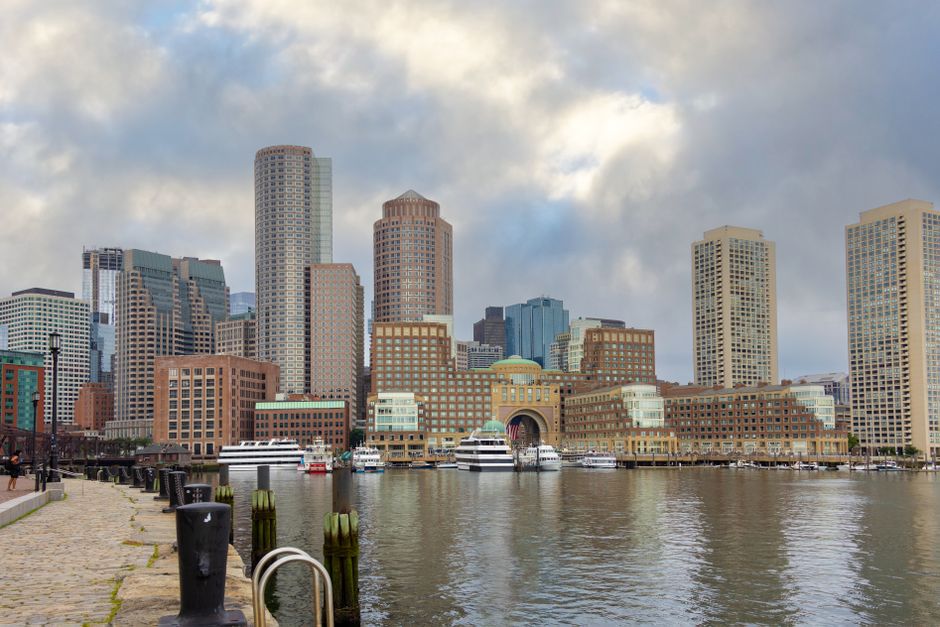
Walk along Boston's Harborwalk on any weekday afternoon this summer and you'll notice something has shifted. Where once joggers and the occasional tourist dominated the cobblestones, you'll now find multigenerational clusters: teenagers with surfboards heading to nearby launch points, remote workers with laptops claiming benches near Rowes Wharf, and families treating the waterfront as their backyard.
The transformation reflects a broader reimagining of Boston's outdoor spaces that accelerated over the past three years. According to the Trust for Public Land's 2024 Park Access Report, 94% of Bostonians now live within a 10-minute walk of a quality park—up from 87% in 2020. For a city that spent decades prioritizing development over green space, the numbers signal a fundamental recalibration of urban priorities.
The Rose Kennedy Greenway, once a divisive scar through downtown, has become an unexpected social hub. On any evening, the linear park pulses with activity: food vendors cluster near Hanover Street, fitness classes occupy the lawn sections, and the constellation of pocket gardens draws families exploring what used to be an elevated highway. It's evolved from novelty to necessity.
But perhaps the most visible transformation is happening in neighborhoods further from the waterfront. The Jamaica Plain community garden initiative has exploded, with wait lists now stretching months for raised beds. Similarly, the redesigned playgrounds in Dorchester's Moakley Park—which underwent a $8.2 million renovation completed last year—have attracted residents from across the city, suggesting that investment in overlooked neighborhoods' green spaces catalyzes broader neighborhood revitalization.
Local organizations are capitalizing on this momentum. The Trustees of Reservations and Friends of the Boston Public Garden have both expanded programming, responding to what parks directors describe as unprecedented demand. Summer concert series now book out weeks in advance; sunrise yoga classes have waiting lists.
The shift comes with complications. Popular parks face wear-and-tear concerns, and gentrification anxieties loom as neighborhoods with newly revitalized green spaces experience rising rents. Yet for many Bostonians, these outdoor spaces represent something simpler: access to community, exercise, and respite from urban density.
As temperatures climb and people continue seeking refuge outdoors, Boston's parks are answering a question the city spent years trying to solve: how do we make urban life livable? The answer, increasingly, grows in green.
This article was compiled by AI from the sources linked above and screened before publishing. See our editorial standards.
How does this story make you feel?
Spread the word
About this article
Published by The Daily Boston
Daily brief
Free, in your inbox before 7am. Weekdays.
More in lifestyle