Moving to Boston? Here's What People Actually Living Here Want You to Know
Forget the glossy relocation guides—we asked longtime expats and newcomers what really matters when settling into New England's most ambitious city.
Forget the glossy relocation guides—we asked longtime expats and newcomers what really matters when settling into New England's most ambitious city.

Boston's reputation precedes it: historic, walkable, expensive. But what's it actually like to land here from abroad and build a life? We spoke with expats, recent arrivals, and longtime residents who've watched this city evolve, and their advice cuts through the marketing.
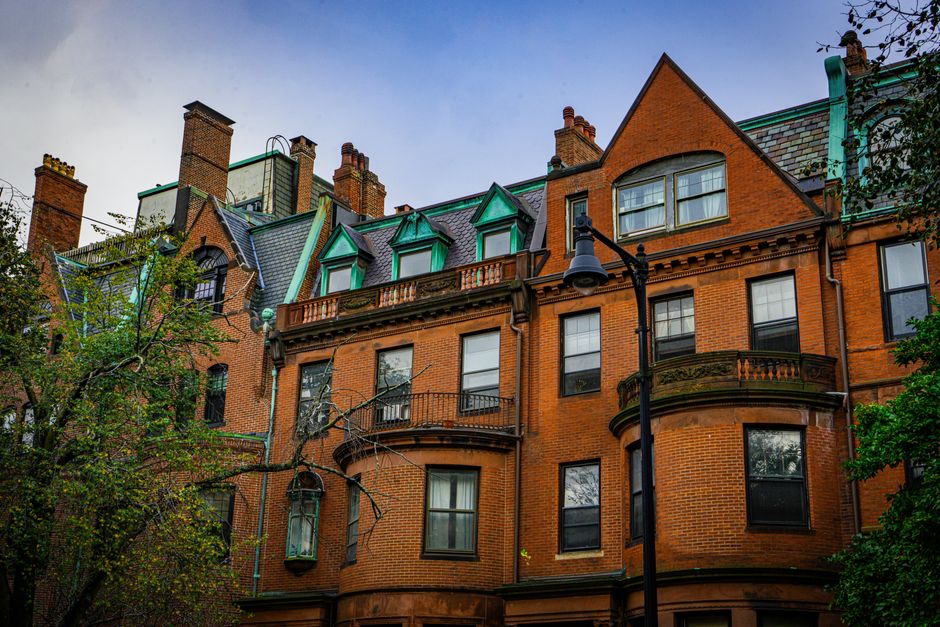
Housing is non-negotiable to plan for early. The median rent for a one-bedroom in desirable neighborhoods like Back Bay or the South End hovers around $2,400 monthly—and that's before utilities. Newcomers who've thrived here suggest looking slightly further out: Jamaica Plain, Somerville, or Brookline offer more breathing room and actual communities beyond the young professional corridor. One British transplant who arrived three years ago recommends spending your first month in an Airbnb while you ground-truth neighborhoods in person. "Don't decide based on a Zillow listing," she notes bluntly. "Walk those streets at 8 p.m. on a Tuesday."
The MBTA is simultaneously your lifeline and your frustration. Yes, the subway connects major areas, but delays are common and service can feel unpredictable. Expats from transit-rich cities like London or Berlin often underestimate this adjustment. A monthly pass costs $90, but many residents recommend budgeting for occasional rideshare during evening commutes. Biking is viable from April through October, and the Bluebikes system ($99 annually) is genuinely useful.
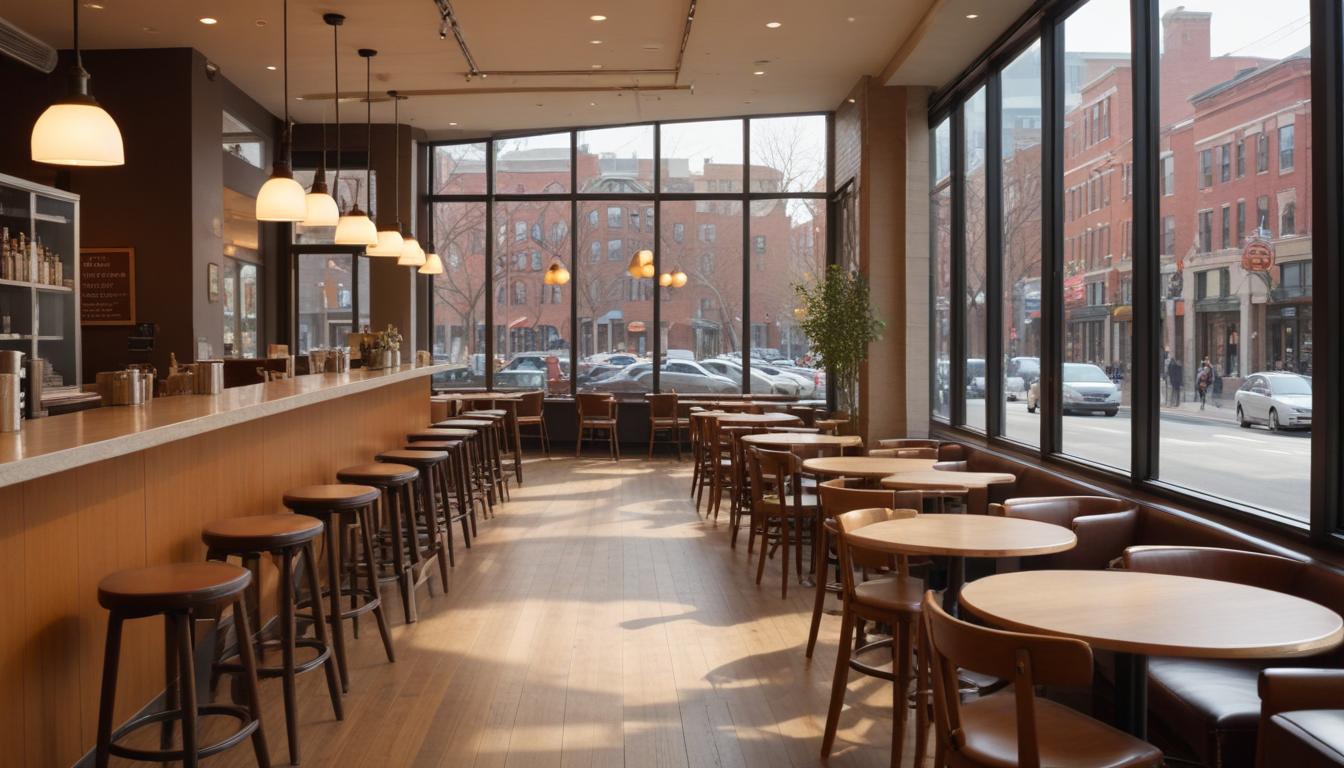
Getting your bearings takes longer than expected. Boston's street layout confuses even seasoned visitors—there's no grid, and neighborhoods blend seamlessly. Newcomers suggest claiming a neighborhood anchor: a coffee shop on Newbury Street, a gym in Kendall Square, a bookstore like Trident Booksellers & Cafe in Back Bay. These become your reference points while you learn the city's peculiar geography.
Professional networks matter immediately. Boston's economy runs on healthcare, tech, and education. Expats working outside these sectors often find networking slower. Organizations like the Boston Global Forum and neighborhood-specific groups (many neighborhoods have active Facebook communities) accelerate connections. The city can feel both sprawling and insular simultaneously.
Winter preparation is not optional. Arriving in June or July means you might underestimate what January brings. Locals unanimously recommend good boots ($100–200), quality outerwear, and a realistic conversation with yourself about whether seasonal depression affects you. Many expats from warm climates relocate again within two years; being honest about this matters.
Boston rewards people who embrace its contradictions: it's historic yet constantly building, walkable yet confusing, expensive yet genuinely world-class. The expats who thrive here aren't the ones who expect it to feel like home immediately. They're the ones who treat the first year as fieldwork.
This article was compiled by AI from the sources linked above and screened before publishing. See our editorial standards.
How does this story make you feel?
Spread the word
About this article
Published by The Daily Boston
Daily brief
Free, in your inbox before 7am. Weekdays.
More in lifestyle