Where Playgrounds Define Community: Inside Boston's Most Connected Family Neighborhoods
From Jamaica Plain to Roslindale, we explore how the city's tight-knit residential pockets are reshaping what it means to raise children in an urban landscape.
From Jamaica Plain to Roslindale, we explore how the city's tight-knit residential pockets are reshaping what it means to raise children in an urban landscape.
On any given afternoon, the corners of Egleston Square pulse with the sound of children's laughter. Parents gather on the steps outside nearby cafés while toddlers chase each other across the plaza—a spontaneous ritual that has become the backbone of Jamaica Plain's family culture. This scene, replicated across Boston's most vibrant residential neighborhoods, reveals something deeper than mere childcare logistics. These are spaces where neighborhood identity is actively forged.
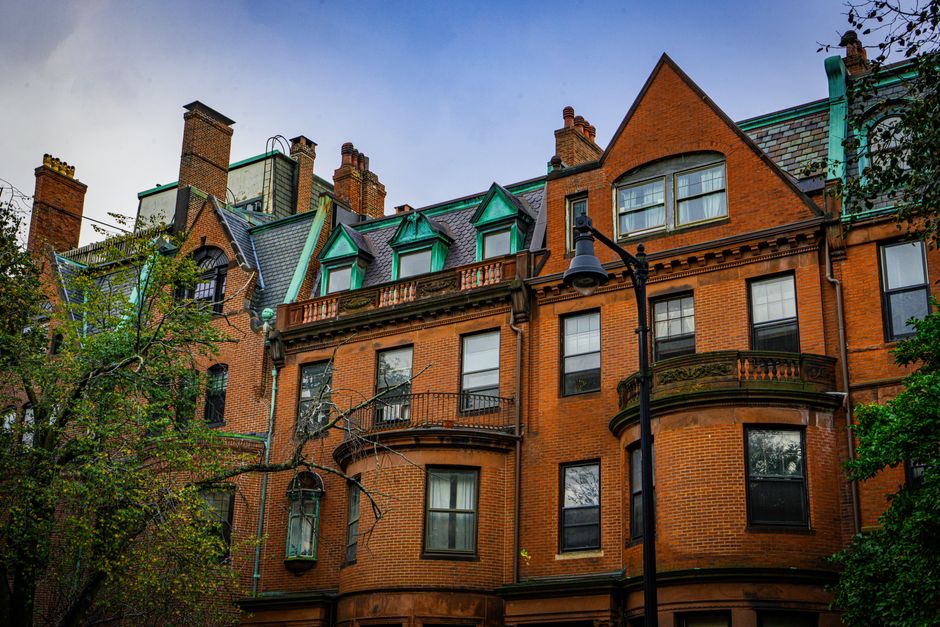
Jamaica Plain, with its tree-lined streets and Victorian homes, has become synonymous with young families seeking authentic community. The neighborhood's public schools, including William E. Carter Elementary, serve roughly 400 students and have become focal points for parental engagement. Local organizations like the Jamaica Plain Neighborhood Development Corporation actively support school initiatives, creating a feedback loop where families feel genuinely invested in their surroundings. Median home prices hover around $725,000, a premium many attribute directly to this sense of belonging.
Ten minutes west, Roslindale offers a different but equally compelling narrative. Its village center—anchored by independent shops and the Roslindale Branch Library—has deliberately cultivated a "Main Street" atmosphere that feels almost suburban despite its urban location. The neighborhood's schools, including the highly regarded Sumner Elementary, benefit from consistent parent volunteer participation rates above 60 percent, according to Boston Public Schools data. Here, the community vibe isn't incidental; it's architected.
What distinguishes these neighborhoods isn't merely proximity to parks or test scores, though both matter. It's the deliberate creation of third spaces—those informal gathering areas between home and work where children and parents naturally collide. The Stonybrook Reservation's walking trails, Jamaica Plain's Pondside Park, and Roslindale Square's farmers market each serve as unofficial town centers where neighborhood identity crystallizes.
This matters as Boston's school system navigates post-pandemic recovery. Enrollment dropped nearly 4 percent citywide between 2019 and 2023, yet certain neighborhoods held steady or grew. Parents consistently cite neighborhood character—walkability, local institutions, and genuine community networks—as primary factors in their residential choices.
The most connected Boston neighborhoods have learned that parenting in the city isn't about having everything. It's about having a "there" there: streets where neighbors know each other, schools treated as community assets rather than assigned services, and public spaces designed for lingering. These aren't accidents of geography. They're the result of sustained community investment, one playground conversation at a time.
This article was compiled by AI and screened before publishing. See our editorial standards.
How does this story make you feel?
Spread the word
About this article
Published by The Daily Boston
Daily brief
Free, in your inbox before 7am. Weekdays.
More in lifestyle