When Sarah Chen moved her two children to Jamaica Plain three years ago, she wasn't just buying a house on Myrtle Street—she was joining what locals call the neighbourhood's "radical parent collective." The kids now attend nearby schools where family engagement isn't optional; it's woven into the fabric. JPers (as residents call themselves) coordinate everything from community garden rotations to shared babysitting networks. Walk down Centre Street on a Saturday and you'll see multigenerational groups congregating at Tres Gatos Books, which has become an unofficial community hub.
This is the invisible currency driving family decisions across Boston in 2026. While school test scores and commute times matter, parents increasingly cite neighbourhood "vibe" as the primary factor in choosing where to raise children. The character of a block—whether neighbours actually know each other's names—now ranks alongside the Boston Public Schools rating.
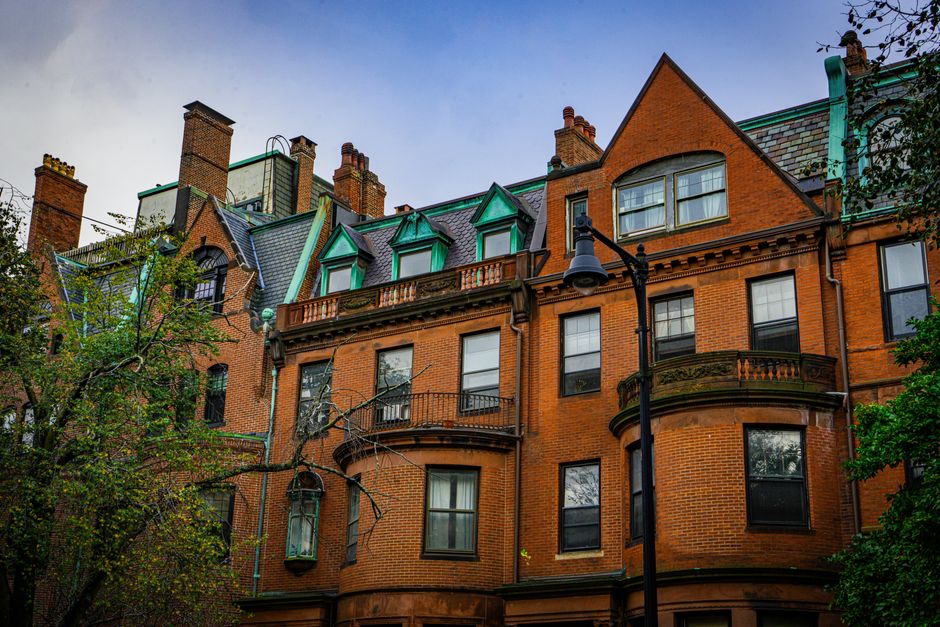
Back Bay tells a different story. Here, the community thrives through structured institutions: the prestigious private schools along Commonwealth Avenue, the Prudential Center's family programming, and formal neighbourhood associations that host annual galas. Parents in the brownstones near Marlborough Street operate within established networks, often inherited from previous generations. The vibe is polished, networked, and decidedly less spontaneous than Jamaica Plain.
Roxbury's Four Corners neighbourhood, meanwhile, has emerged as an unexpected family destination. Declining rents (averaging $2,400 for a two-bedroom versus $3,100 in Back Bay) have attracted younger parents seeking authentic community. The Hibernian Hall hosts regular family events, while local nonprofits like Inquilinos Boricuas en Acción have transformed the neighbourhood's identity. Parents here speak of resilience and intergenerational connection—grandparents, cousins, and chosen family living in proximity.
Cambridge's Harvard Square maintains its own DNA: intellectual curiosity embedded in daily life. Families frequent the Harvard Bookstore as others might visit parks. Schools here emphasise enrichment, and the neighbourhood culture rewards parental involvement in ways both inspiring and occasionally exhausting.
What's striking is how these neighbourhood characters self-perpetuate. Jamaica Plain attracts progressive, community-minded families. Back Bay reinforces established advantage networks. Roxbury draws those seeking affordability alongside social mission. Parents aren't simply finding homes; they're selecting which version of Boston community life they want their children to experience.
As housing costs continue climbing, neighbourhood character—that intangible quality of whether people actually talk to each other—may become Boston's most valuable resource.
This article was compiled by AI and screened before publishing. See our editorial standards.