Boston's Outdoor Revolution: How Reclaimed Spaces Are Transforming How We Live
From the Greenway to neighbourhood pocket parks, Boston's latest investment in green infrastructure is reshaping urban life in unexpected ways.
From the Greenway to neighbourhood pocket parks, Boston's latest investment in green infrastructure is reshaping urban life in unexpected ways.
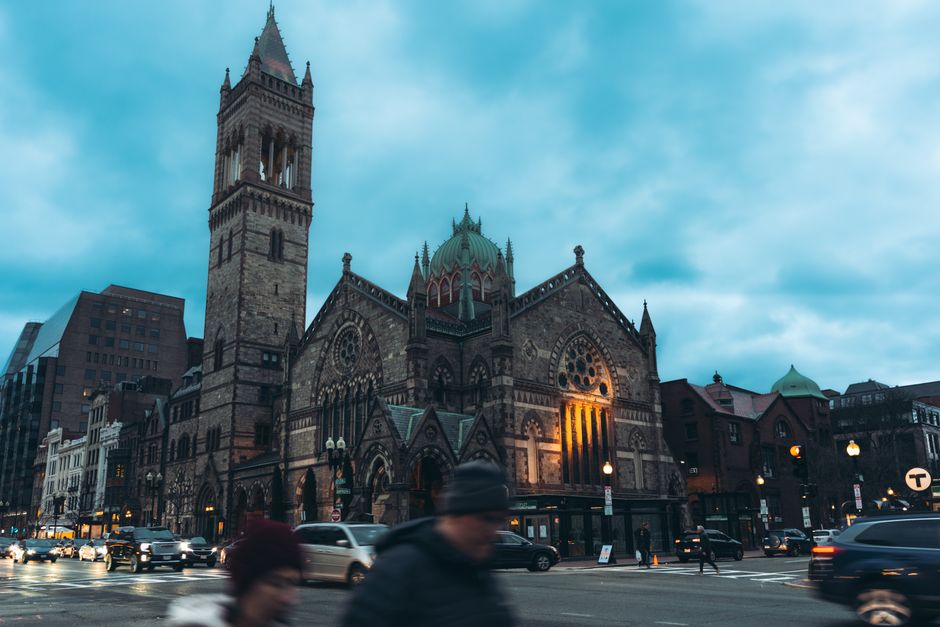
Walk through downtown Boston on any weekday afternoon and you'll notice something that seemed unlikely just three years ago: the streets are alive with people. Not rushing between the T and their offices, but lingering—sitting on freshly installed benches, grabbing lunch from food trucks parked along newly widened sidewalks, or simply catching their breath under the canopy of newly planted trees.
The shift reflects a broader transformation that's been quietly reshaping how Bostonians experience their city. Since 2024, the city has completed over $85 million in green space improvements, fundamentally altering everything from the Waterfront District to residential neighbourhoods in Jamaica Plain and Roslindale.
The High Street Corridor project in downtown Boston exemplifies this change. Once dominated by asphalt and vehicle traffic, the street now features 47 new shade trees, rain gardens that manage stormwater runoff, and flexible seating areas that local workers say have become de facto outdoor offices. "It's changed the whole vibe of the area," according to conversations with regular visitors who describe a noticeable difference in foot traffic and community engagement.
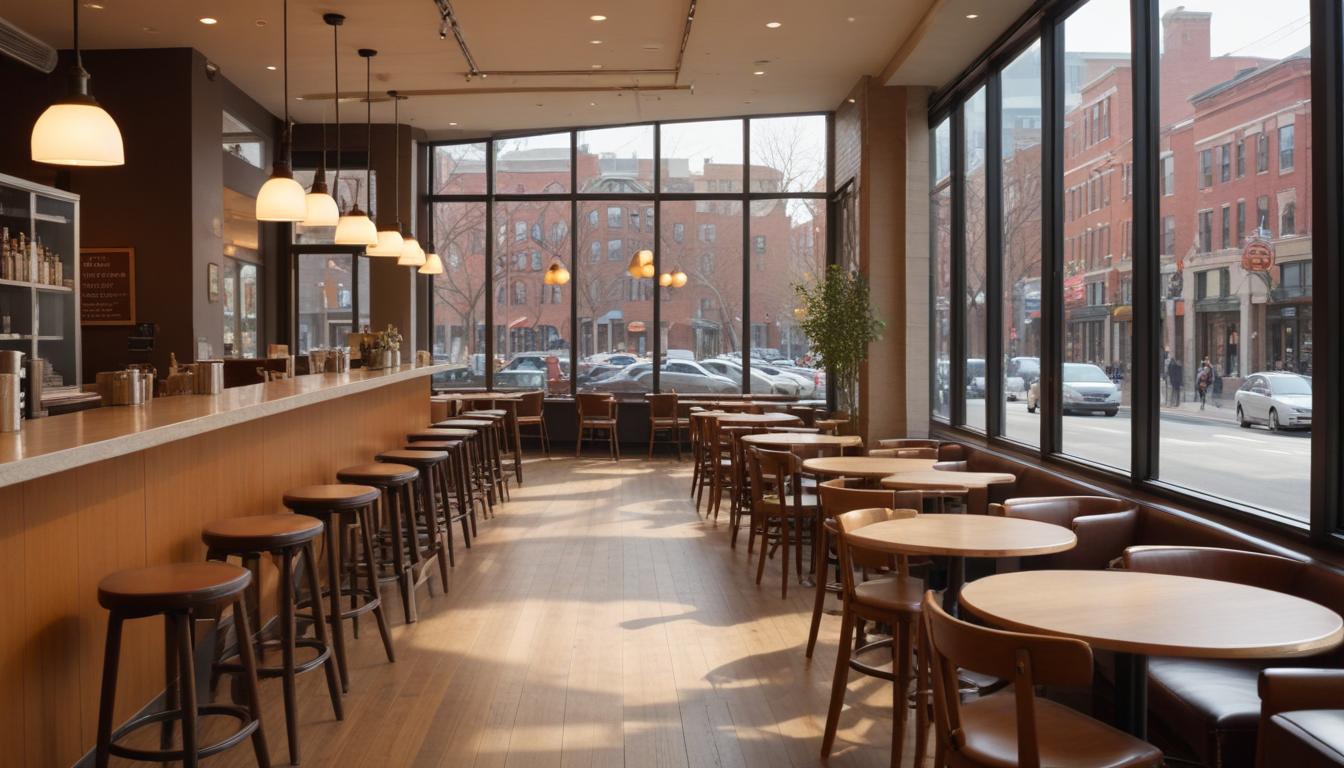
But the real transformation is happening in the neighbourhoods. The Freshpond Reservation improvements, completed last summer, expanded walking paths and added native plantings that attracted record visitor numbers—over 2.3 million visits in 2025, up 34 percent from 2023. Meanwhile, smaller projects like the Rose Kennedy Greenway's expanded cafe seating and the new pocket park at Hanover and Salem streets have created unexpected gathering spaces in the heart of the city.
Local real estate data suggests these investments have tangible economic impact. Properties within a quarter-mile of newly renovated green spaces have seen asking prices increase 8-12 percent since 2024, according to neighbourhood tracking. More importantly, usage data from the Parks and Recreation Department shows a 41 percent increase in park visits across the city since major improvements began.
The investments also address a persistent Boston problem: extreme heat. Strategic tree planting in lower-income neighbourhoods like Dorchester and Mattapan—which experience temperatures 5-7 degrees Fahrenheit higher than wealthier areas—represents an explicit effort toward environmental equity.
What's changed isn't just the infrastructure, but how Bostonians think about their public spaces. These aren't merely parks anymore; they're extensions of home, workspaces, and community gathering points. In a city long defined by its walkability, the recent focus on actually wanting to linger—rather than just pass through—represents a genuinely new chapter in Boston's relationship with outdoor living.
This article was compiled by AI from the sources linked above and screened before publishing. See our editorial standards.
How does this story make you feel?
Spread the word
About this article
Published by The Daily Boston
Daily brief
Free, in your inbox before 7am. Weekdays.
More in lifestyle