Walk down Hanover Street on a Friday night in 2026, and you'll notice something that felt unthinkable five years ago: the Boston bar scene is thriving—not because of chain establishments or craft cocktail temples, but because locals are finally embracing the kinds of intimate, unpretentious watering holes that once defined the city.
The shift accelerated this past year as independent bar owners began pushing back against rising rents and corporate homogenization that had gradually transformed neighborhoods like the Seaport into a sea of identical gastropubs. Today's renaissance centers on smaller venues—capacity under 100—where the focus is on community rather than Instagram moments. Fort Point, long overshadowed by its shinier neighbors, has become ground zero for this movement, with dive bars and live music venues popping up in converted warehouses along Congress Street.
"What's changed is permission," explains the vibe in neighborhoods where younger Bostonians—particularly those aged 25-40—now prioritize authenticity over polish. Average drink prices have actually stabilized around $7-9 for beer and $12-14 for cocktails, slightly below the $16+ premium pricing that dominated 2021-2023. Several pop-up venues and basement bars operating with flexible licensing models have proven there's substantial appetite for lower-key socializing.
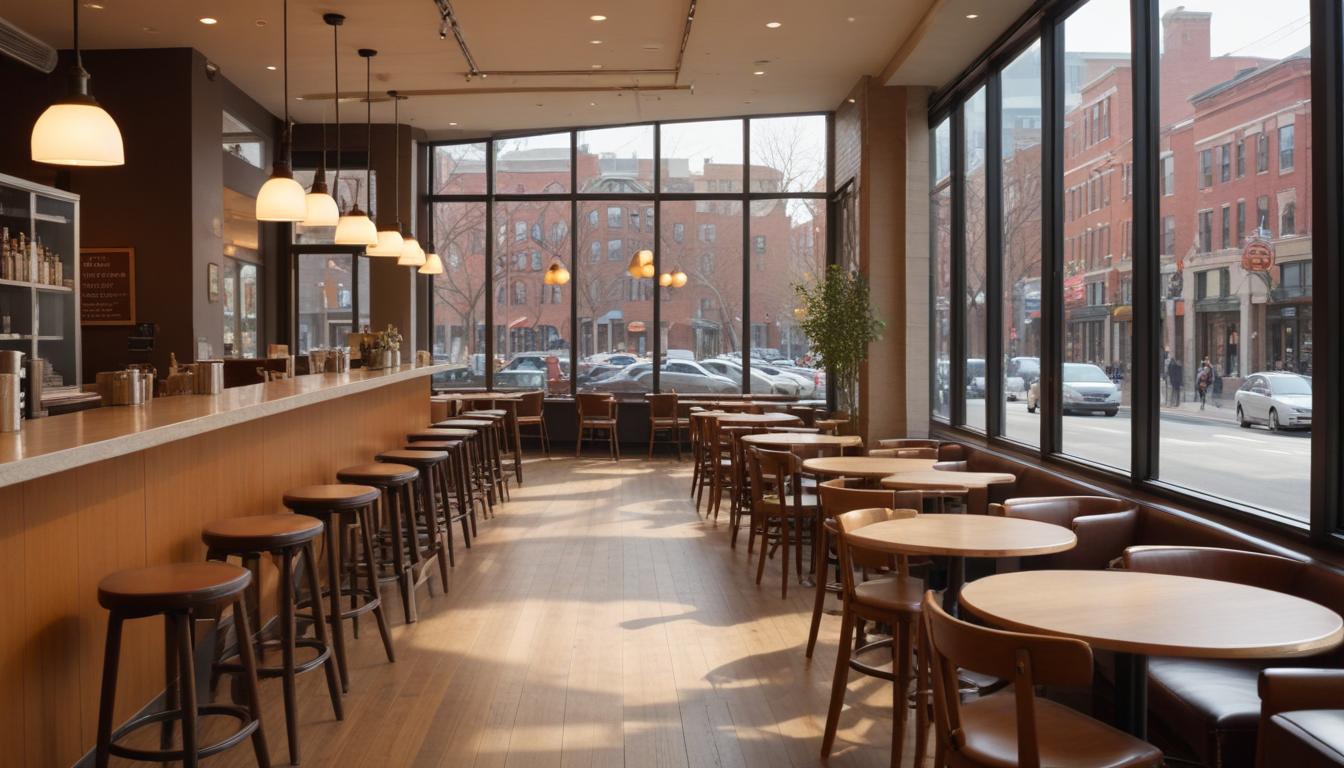
The timing matters. Post-pandemic, many professionals tired of downtown corporate venues shifted toward neighborhoods like Jamaica Plain and the South End, where bar owners responded by creating spaces designed for extended lingering rather than rapid turnover. Pool tournaments, board game nights, and open-mic events have replaced bottle service and table minimums as primary draws.
Cambridge's Central Square has similarly transformed, with venues like those clustered around Massachusetts Avenue now explicitly marketing themselves as meeting places rather than destinations. The city's bar density—roughly one establishment per 550 residents, up from one per 650 in 2020—reflects genuine demand.
What locals love now isn't revolutionary: it's the return to unpretentious gathering spaces where conversation matters more than ambiance design. The Market District and Lansdowne Street corridors still exist for those seeking that scene, but the real energy has migrated toward neighborhoods where a bartender knows your name by drink two.
For a city that nearly lost its soul to sameness, that's the most exciting development in years.
This article was compiled by AI from the sources linked above and screened before publishing. See our editorial standards.