Walk down Centre Street in Jamaica Plain on a Saturday morning and you'll witness the beating heart of Boston's most fiercely independent neighborhood. Street murals splash color across brick facades, community gardens overflow with summer vegetables, and the aroma of Dominican and Puerto Rican cuisine drifts from family-run restaurants. This isn't gentrification-resistant nostalgia—it's active, intentional community stewardship. The Jamaica Plain Neighborhood Development Corporation, founded in 1987, remains one of the city's most effective grassroots organizations, having preserved affordable housing while championing local artists and small businesses against corporate encroachment.
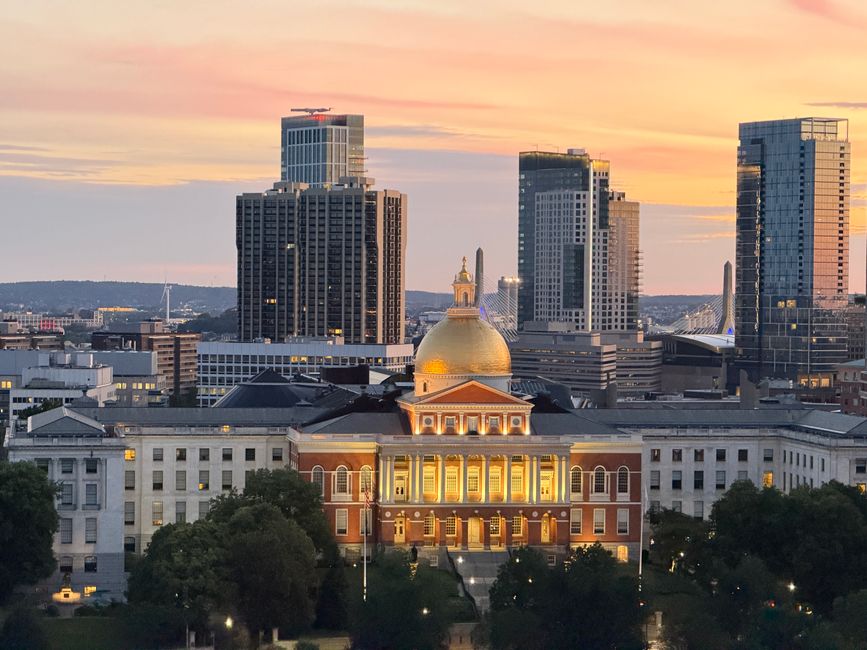
Contrast this with Beacon Hill, where gas-lit brick sidewalks and Federal-era townhouses command prices north of $2 million. Yet beneath the polished storefronts along Charles Street lies a different kind of community fabric. Neighbors recognize each other by name across generations. The Beacon Hill Civic Association, established in 1922, quietly maintains standards not through regulation alone but through genuine neighborhood consensus—a vestigial New England tradition that still shapes daily life here.
In South Boston, the transformation feels more recent but equally authentic. Along Broadway, longtime Irish pubs sit next to newer restaurants run by young entrepreneurs who grew up in the neighborhood. The waterfront development hasn't displaced community identity; instead, it's been absorbed into a neighborhood story that refuses erasure. Local institutions like the Southie Community Center remain anchors, and family ownership of businesses continues at rates higher than most Boston neighborhoods.
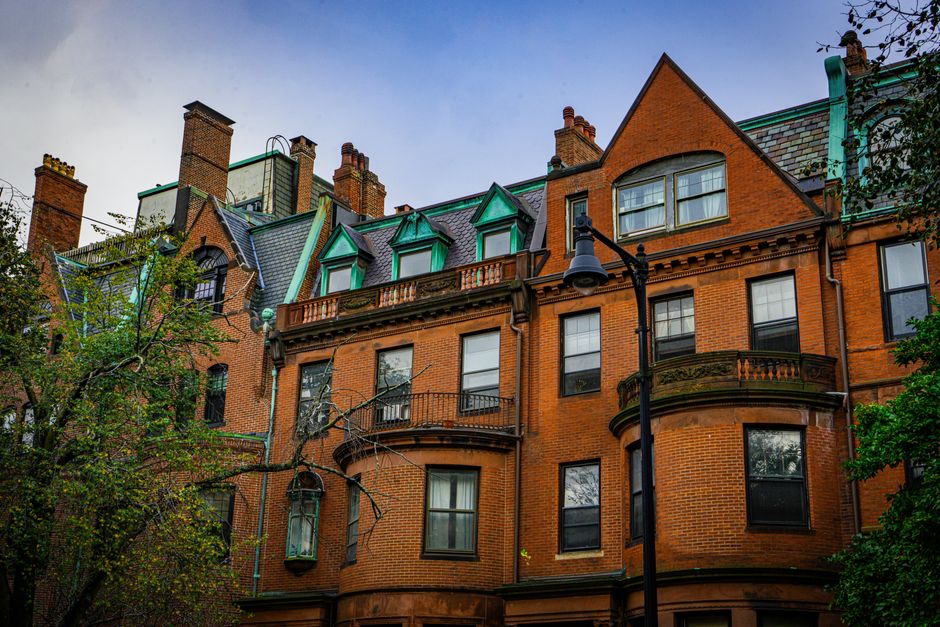
What distinguishes these communities isn't wealth or architecture alone, but the intentionality of residents in maintaining their neighborhoods' specific character. In Back Bay, the Victorian brownstones and boutique shops reflect curated aesthetics. In Allston, student density and affordability create transient energy, yet longtime residents and businesses maintain cultural memory. Dorchester's diversity—home to Boston's largest Haitian American, Cape Verdean American, and Vietnamese American populations—creates a neighborhood where community is actively negotiated across languages, cuisines, and cultural practices daily.
The real estate market pressures all Boston neighborhoods toward homogenization. Average rents across the city climbed 18 percent between 2021 and 2025. Yet what separates thriving neighborhoods from merely expensive ones is whether residents actively shape their community's identity or simply inhabit it. The strongest Boston neighborhoods are those where long-term residents, community organizations, and newer arrivals engage in ongoing conversation about belonging. That's the vibe worth seeking.
This article was compiled by AI from the sources linked above and screened before publishing. See our editorial standards.