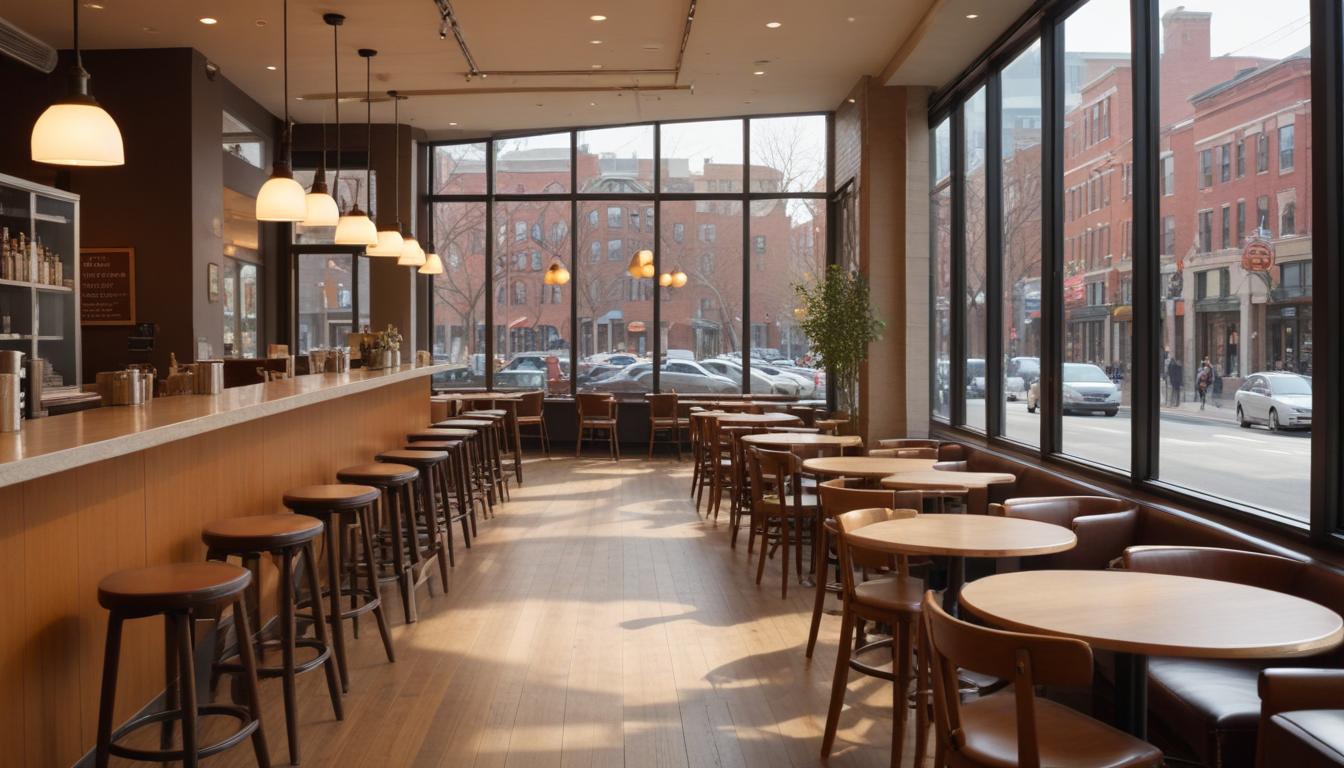
Walk into Trillium's Fort Point location on a Friday evening, and you'll witness something increasingly rare in 2026: a neighborhood bar functioning as genuine social infrastructure. The brewery's converted warehouse space, with its soaring ceilings and industrial bones, draws regulars who've watched this South Boston corner transform from shipping hub to creative district. They know each other's names. They discuss the neighborhood association's latest zoning fight over coffee at 10 a.m., then return at 6 p.m. to decompress.
This is the actual character of Boston's bar scene—not the Instagram-ready cocktail temples of Back Bay, but the community fixtures that define how neighborhoods actually function. Fort Point has roughly 3,000 residents now, up from nearly nothing fifteen years ago, and its bars have become the connective tissue binding newcomers to longtime residents and developers. Myers + Chang on nearby Melcher Street operates with the casual intimacy of a neighborhood gathering place, where the bartenders remember drink preferences and conversations span months.
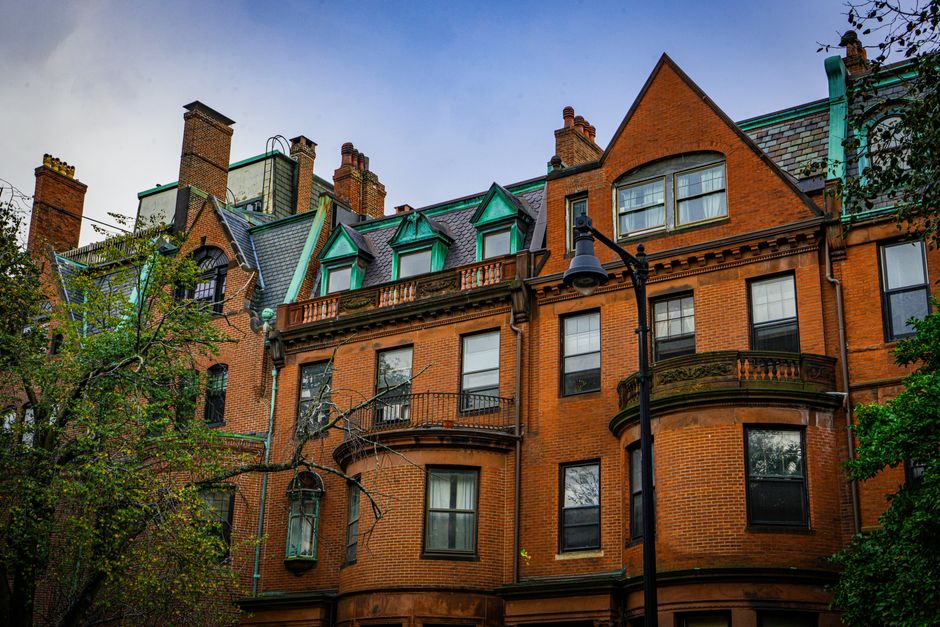
Similar dynamics play out across the city's most vital nightlife districts. In Beacon Hill, bars like The Sevens and Cheers maintain their identity as genuine local anchors—tourists pass through, certainly, but the real energy comes from people who live blocks away. The Sevens, tucked on Charles Street since 1993, charges $8 for a Bud Light and $12 for a well drink, prices that reward regularity over spectacle. That pricing structure, rare among Boston venues competing in 2026's premium bar economy, signals something crucial: these are neighborhood establishments first, revenue engines second.
The Seaport's bar scene tells a different story—newer, more transient, oriented toward the young professional demographic that churns through luxury apartments. But even there, spots like Atlantic Wharf's various venues have developed their own rhythms, becoming unofficial networking hubs for the biotech and finance sectors that cluster nearby.
What distinguishes Boston's best bar neighborhoods isn't architectural consistency or thematic coherence. It's the presence of stability. Regulars who've occupied the same stool for years. Bartenders who know the neighborhood's history and can contextualize why a particular block matters. Pricing that doesn't deliberately exclude locals. These elements create what urban researchers call 'third places'—neither home nor work, but essential social infrastructure.
As Boston continues competing for young talent and tourism dollars, its bar scenes succeed precisely when they resist full commodification. The neighborhoods that thrive aren't the ones packaged for outsiders. They're the ones that feel like home to someone, somewhere, every single night.
This article was compiled by AI from the sources linked above and screened before publishing. See our editorial standards.