Skip the Tourist Traps: What Real Bostonians Actually Do in Their Neighbourhoods
We asked longtime residents across the city's most vibrant districts for their unfiltered takes on where to eat, live, and spend time—and where to avoid.
We asked longtime residents across the city's most vibrant districts for their unfiltered takes on where to eat, live, and spend time—and where to avoid.
Boston's neighbourhoods shift like weather systems, each with its own personality and unwritten rules that no guidebook captures. To cut through the noise, we reached out to residents who've chosen to stay put in some of the city's most dynamic areas—and they had plenty to say about what actually works.
In the South End, longtime residents emphasize that the neighbourhood's transformation over the past two decades has been dramatic. Tremont Street remains the spine everyone navigates, but locals steer clear of the obvious brunch spots in favour of neighbourhood joints. They emphasize walking Columbus Avenue for quieter finds and note that rents now average $2,400 for a one-bedroom—a figure that's pushed many original residents out. One consistent refrain: the real community happens at smaller events, not the Instagram-friendly festivals.
Cambridge residents living near Harvard Square offer a counterintuitive insight: abandon the Square itself. "You're paying premium prices for mediocre experiences," one long-term resident noted. Instead, they recommend exploring the residential streets east of the Square, where independent bookstores, local galleries, and authentic neighbourhood restaurants cluster. Mount Auburn Street and the paths toward Fresh Pond offer both lifestyle and relative peace.
In Jamaica Plain, which has seen significant demographic shifts and gentrification pressures, locals emphasize the Centre Street corridor as the real heartbeat. Green Street Grill and independent shops run by long-term business owners remain anchors. Residents also highlight the Jamaica Pond's accessibility—free, open year-round, and genuinely reflective of the neighbourhood's diversity.
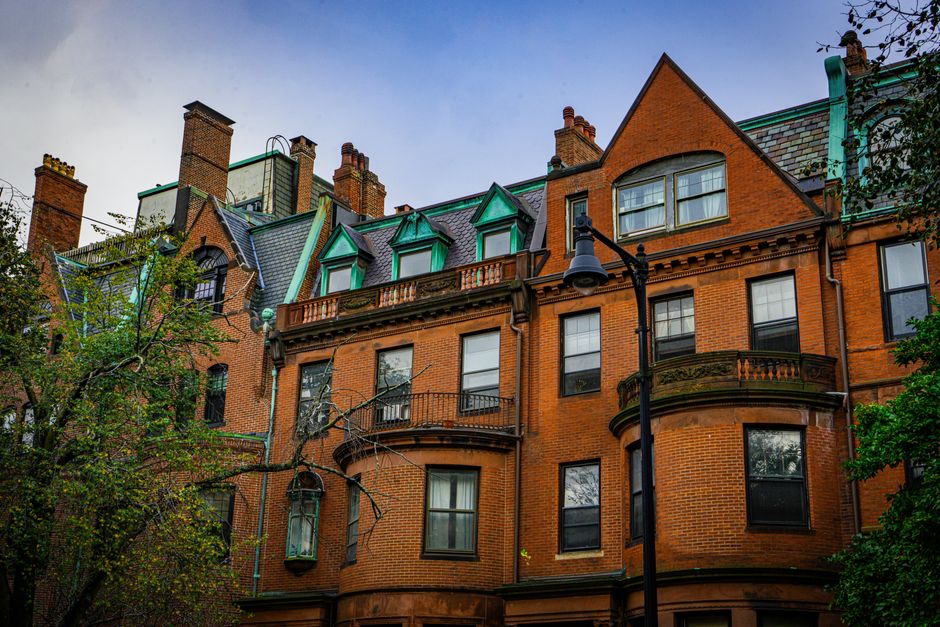
Back Bay residents warn newcomers about overdependence on Newbury Street. "It's become a mall," one longtime local said bluntly. Instead, they recommend exploring the quieter blocks between Commonwealth Avenue and Marlborough Street, where brownstone-lined streets offer genuine neighbourhood character and smaller restaurants that actually serve residents rather than visitors.
A consistent theme across all neighbourhoods: timing matters. Markets, community gardens, and neighbourhood events operate on different calendars than tourist seasons. The Boston Parks and Recreation department offers a detailed community calendar—actually checking it separates locals from drifters.
Finally, residents across neighbourhoods emphasized that authenticity comes from consistency. Visiting the same coffee shop, supporting local grocers, learning shopkeepers' names—these create actual community ties. Boston's strongest neighbourhoods aren't the flashiest; they're where people have simply decided to stay and built relationships over years, not clicks.
This article was compiled by AI from the sources linked above and screened before publishing. See our editorial standards.
How does this story make you feel?
Spread the word
About this article
Published by The Daily Boston
Daily brief
Free, in your inbox before 7am. Weekdays.
More in lifestyle