Moving to Boston? Here's What Locals Actually Want You to Know
Skip the guidebook clichés—we asked expat residents and long-time Bostonians for their unfiltered advice on settling into the city.
Skip the guidebook clichés—we asked expat residents and long-time Bostonians for their unfiltered advice on settling into the city.
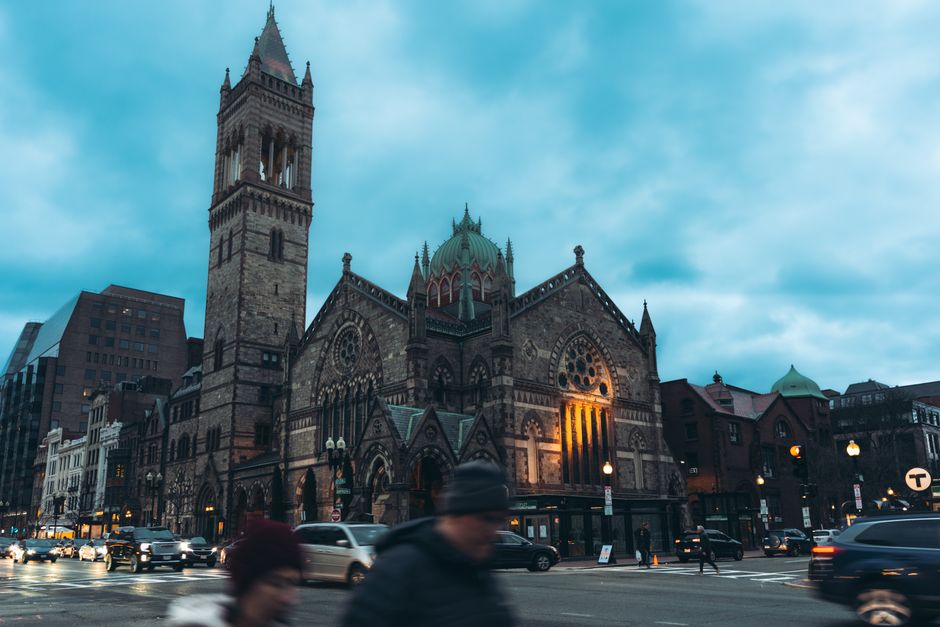
Boston's reputation precedes it: historic, walkable, expensive, insular. But what do people who've actually uprooted their lives here want newcomers to understand? We spoke with expat professionals, remote workers, and recent arrivals to cut through the mythology and offer practical wisdom that tour guides won't give you.
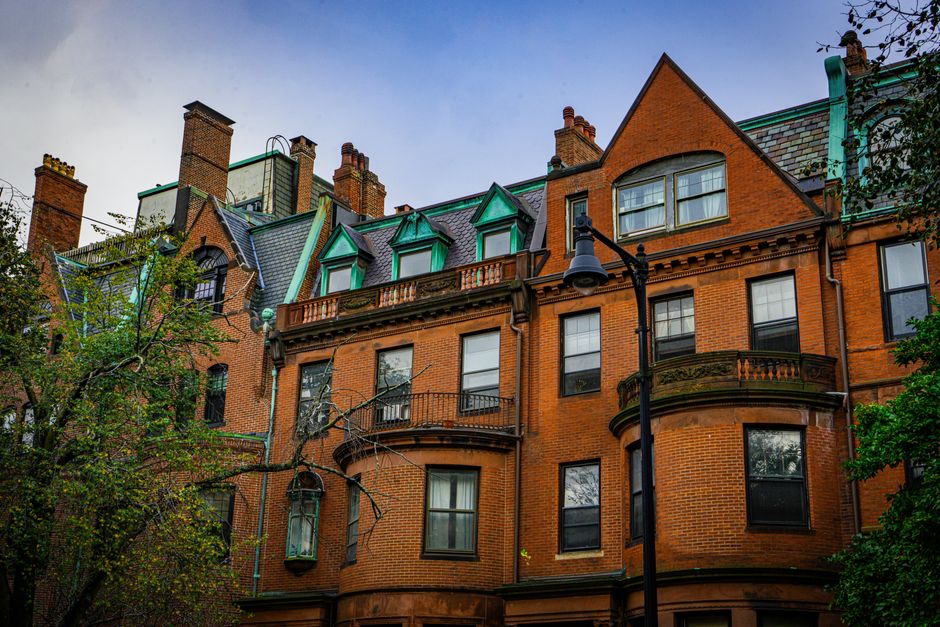
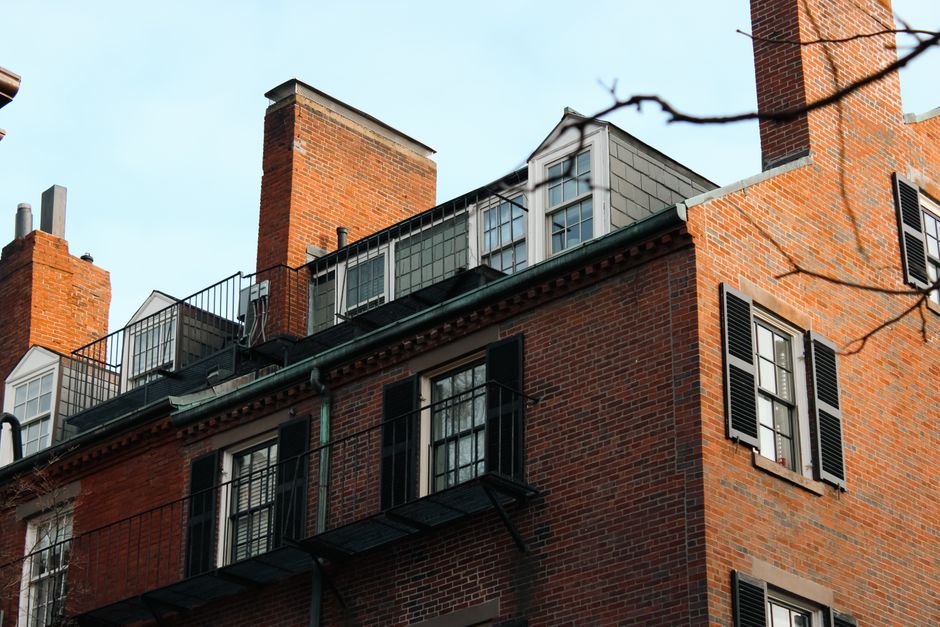
Neighborhoods: Skip the hype, follow the vibe. Yes, Back Bay and Beacon Hill are gorgeous, but they'll drain your savings faster than you can say "townhouse." Locals suggest looking south: Jamaica Plain and Roxbury have exploded with young professionals seeking authenticity over postcard appeal. Somerville, just across the border, offers better value and fiercer community spirit. One constant from expat residents: visit in winter before signing a lease. The romance of autumn disappears when you're shoveling at 6 a.m. in February.
Transportation is non-negotiable. The MBTA is unreliable—that's not pessimism, that's the consensus. Budget $90 monthly for a CharlieCard, but don't rely on the Red Line alone. A used bike costs $150–300 and becomes your best friend. Uber and Lyft are expensive alternatives; locals recommend accepting that you'll be 10 minutes late to everything until you learn the bus patterns.
Money matters more than you think. Rent for a one-bedroom apartment averages $2,000–2,500 in desirable neighborhoods, higher near the hospitals and universities that dominate local employment. Groceries cost 15–20% more than national averages. Set aside a buffer. Several expats flagged that Boston's professional networks—especially in biotech, finance, and higher education—move fast but trust slowly. Patience pays.
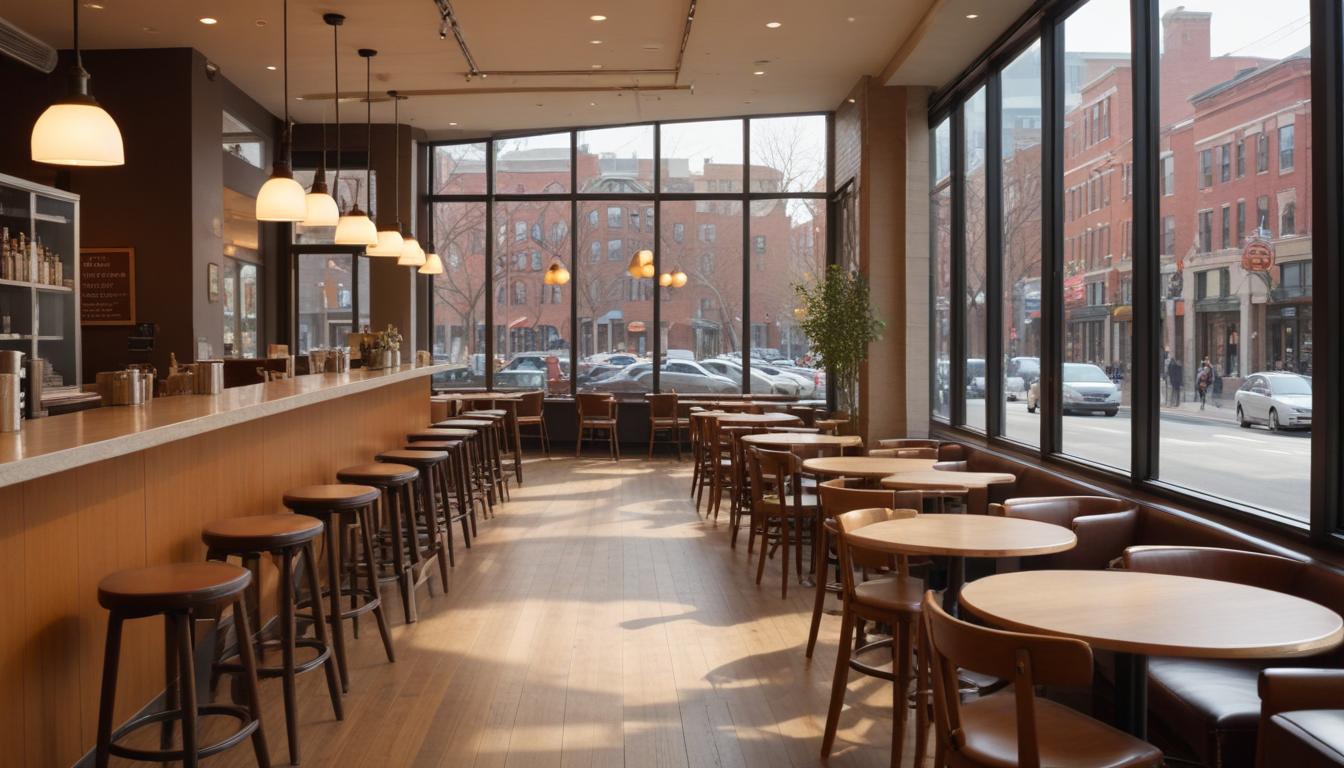
Dining and culture are genuine strengths. The restaurant scene is adventurous without being pretentious. Explore Chinatown, the North End, and East Boston's immigrant communities for authentic, affordable meals. The Museum of Fine Arts and Isabella Stewart Gardner Museum justify the membership fees. Catch shows at the Wilbur Theatre or smaller venues on Lansdowne Street before they sell out.
Social life requires intention. Bostonians are famously reserved with strangers. Join a running club, volunteer through organizations like City Year, or attend neighborhood meetups. The expat community is substantial—seek out Facebook groups and professional associations aligned with your industry.
One final note. Locals who've stayed love this place precisely because it's difficult. The infrastructure frustrates you into resourcefulness. The weather bonds you to others enduring the same. The history grounds you. Give it a season, ask questions, and don't expect instant belonging. It'll come.
This article was compiled by AI from the sources linked above and screened before publishing. See our editorial standards.
How does this story make you feel?
Spread the word
About this article
Published by The Daily Boston
Daily brief
Free, in your inbox before 7am. Weekdays.
More in lifestyle