Beyond the Postcard: What Boston's Neighbourhoods Really Feel Like When You Move Here
New to the city? Here's what the locals won't tell you about living in Back Bay, Jamaica Plain, and beyond.
New to the city? Here's what the locals won't tell you about living in Back Bay, Jamaica Plain, and beyond.
Moving to a new city is disorienting. You've scrolled through Zillow listings, maybe visited once in autumn when everything looked picturesque, and now you're signing a lease. But what's it actually like to live here? That's what matters.
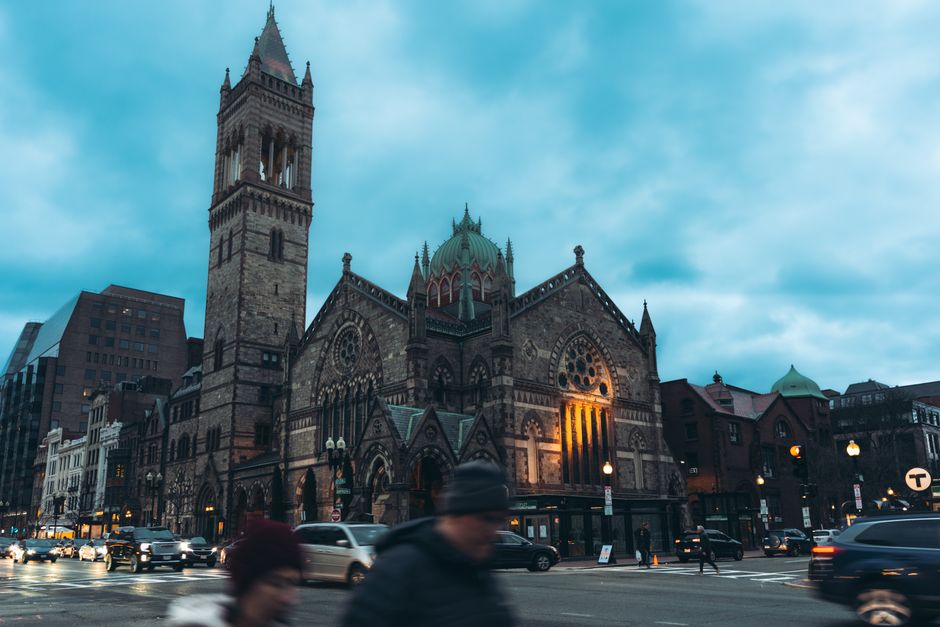
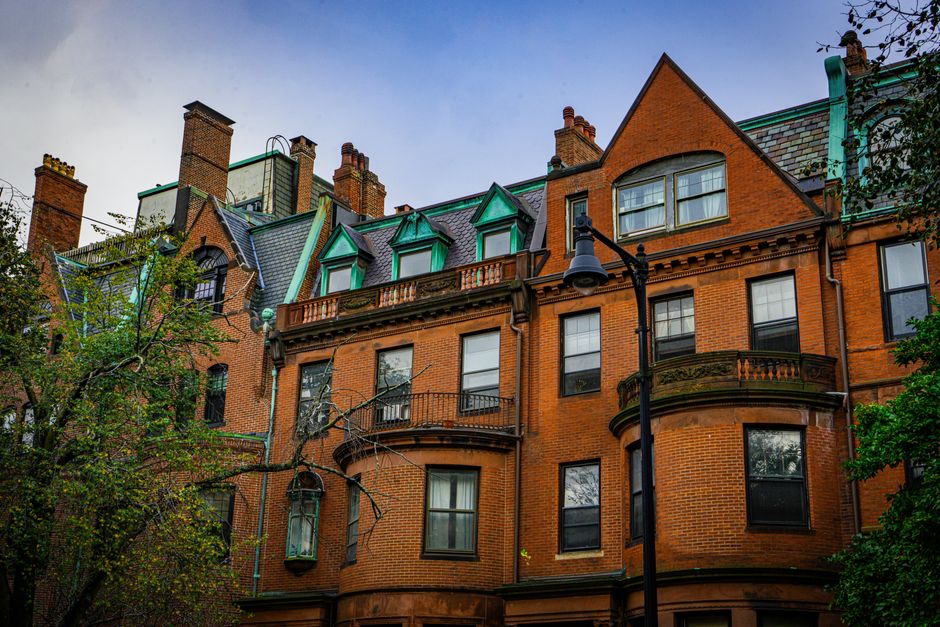
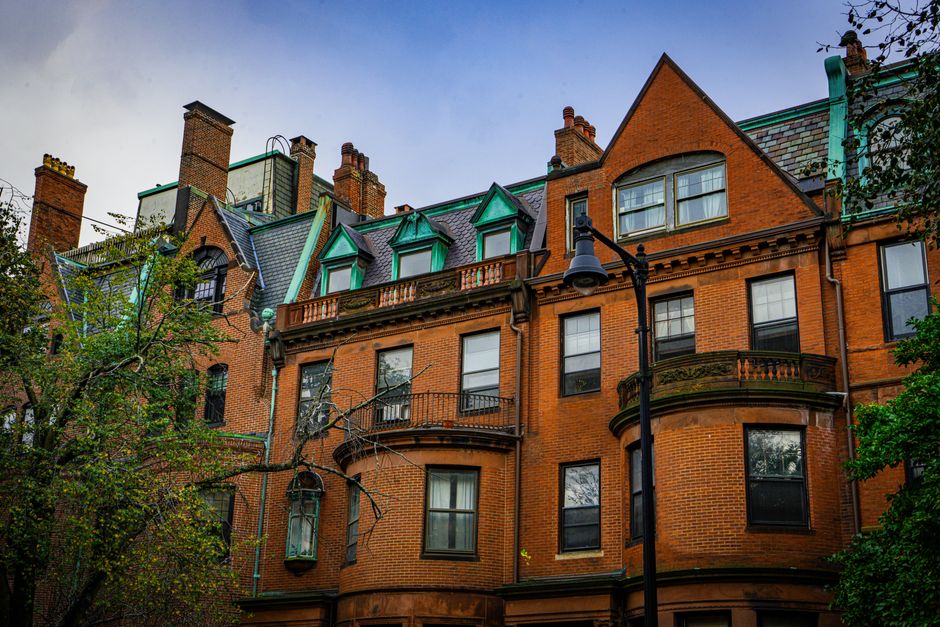
Back Bay feels aspirational—tree-lined Newbury Street, brownstones with garden-level cafés, young professionals with laptops and commitment issues. It's genteel and expensive (median rent hovers around $2,800 for a one-bedroom), but there's a reason. The neighbourhood has texture. Walk down Charles Street toward the Public Garden and you'll understand why people stay. Still, evenings can feel sterile; the community vibe is transactional. Everyone's busy. Everyone's networking.
Jamaica Plain tells a different story entirely. Here, you'll find multigenerational families, artists, and people who've chosen to plant roots. The Stony Brook neighborhood holds the Jamaica Plain Neighbourhood Council—actually functional, actually attended. Rent is lower (around $1,900 for a comparable one-bedroom), and the trade-off is character. Centre Street pulses with Dominican restaurants, independent bookshops, and community gardens. The vibe is earnest, sometimes chaotic, fundamentally human. You'll know your neighbours.
Allston attracts students and young creatives priced out everywhere else. It's gritty, loud, transient—which appeals to some and exhausts others. The neighbourhood lacks the polished infrastructure of Back Bay, but Commonwealth Avenue thrums with DIY music venues and late-night spots where people actually talk to strangers. The Boston University population keeps things feeling temporarily occupied, not permanently settled.
Beacon Hill is where old Boston lives. Narrow brick sidewalks, gas lamps, restaurants where reservations require advance planning. The Charles Street community feels insular—you're either in or you're not. It's beautiful. It's also expensive and quiet in a way that can feel isolating if you're seeking spontaneous human connection.
Somerville and Cambridge have exploded as alternatives. Magoun Square in Somerville has become genuinely neighbourly—local restaurants, actual storefronts owned by people who live there. Rent creeps upward yearly, but the community infrastructure is solid. People attend block parties. They use their library branches.
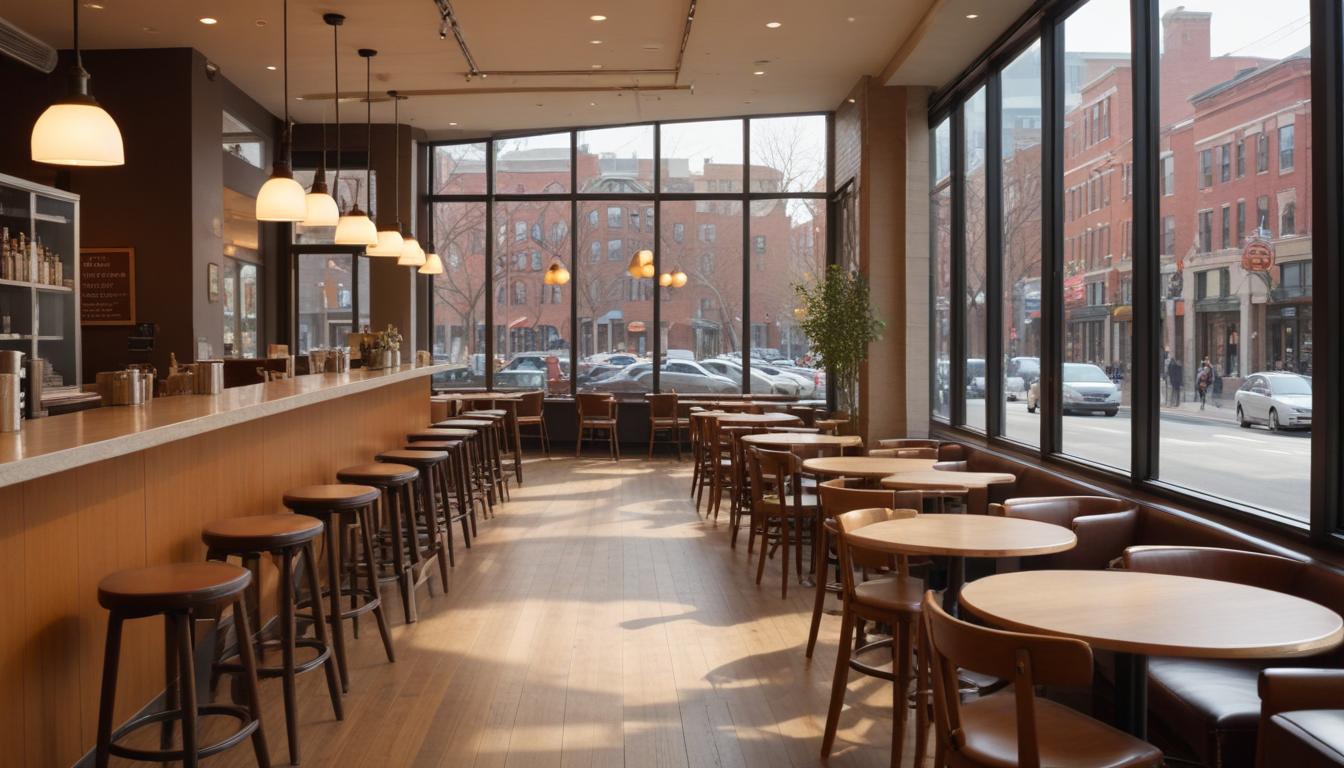
The honest truth: Boston's character depends entirely on which Boston you choose. The city offers genuine neighbourhood life if you look beyond the tourist infrastructure. Visit on a weekday evening. Walk around. Grab coffee somewhere unglamorous. Watch how people move through space. That's where you'll find your answer.
This article was compiled by AI from the sources linked above and screened before publishing. See our editorial standards.
How does this story make you feel?
Spread the word
About this article
Published by The Daily Boston
Daily brief
Free, in your inbox before 7am. Weekdays.
More in lifestyle