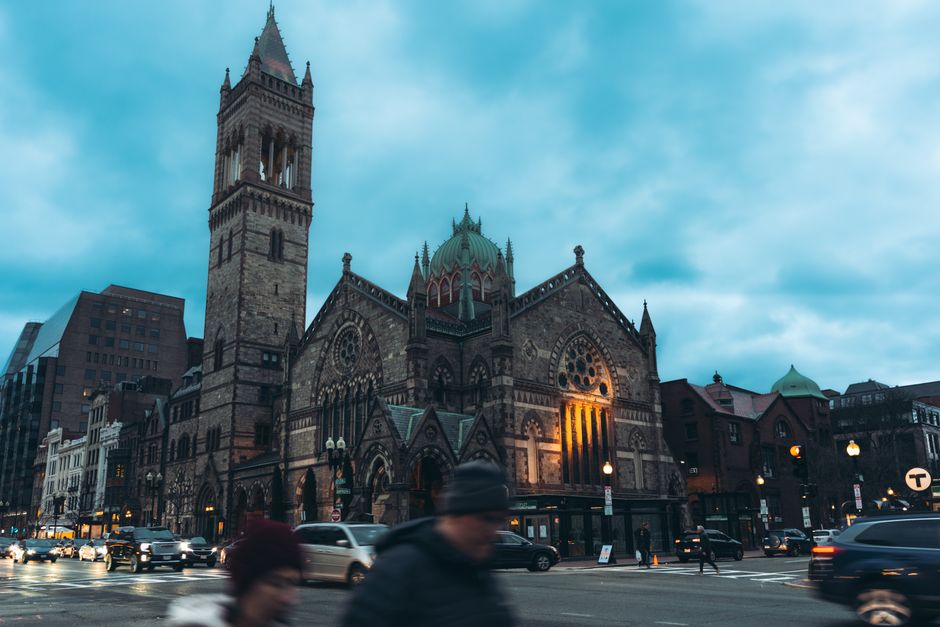
Walk through Faneuil Hall on any given Saturday, and you'll witness something increasingly rare in American cities: a public marketplace that functions much as it did in 1742. While other major cities have converted historic market spaces into sterile tourist zones or luxury developments, Boston's central marketplace remains a living, breathing commercial hub where street vendors, independent retailers, and national brands coexist in genuine equilibrium. This isn't nostalgia marketing—it's the architectural and commercial reality of a city that refuses to fully abandon its past.
What distinguishes Boston's shopping culture from global counterparts like London's Borough Market or Toronto's St. Lawrence Market is the deliberate preservation of neighborhood-level retail identity. While many cities have seen independent shops absorbed into chains, Boston's Back Bay neighborhood maintains roughly 65 percent independently-owned retail along Newbury Street, according to local business associations. That density of family-run boutiques, rare bookstores, and specialty shops creates a shopping experience that's fundamentally different from the homogenized retail corridors found in most comparable American cities.
The city's geography itself shapes its retail uniqueness. Boston's tight, walkable neighborhoods mean that Beacon Hill's Charles Street, Cambridge's Harvard Square, and Jamaica Plain's Centre Street each developed distinct merchant ecosystems. You won't find the same stores repeated across these districts. Instead, each neighborhood market reflects its resident demographics and local history. Jamaica Plain's local retailers skew toward fair-trade goods and sustainable products, while Beacon Hill's shops emphasize antiques and heritage crafts—a natural evolution from each neighborhood's character.
Price-wise, Boston retail occupies an interesting middle ground. Commercial rents in Back Bay average $150-200 per square foot annually, higher than secondary markets but significantly lower than Manhattan or San Francisco, which means independent retailers can actually survive here. This creates breathing room for the kind of specialized shops—vintage record stores, independent bookstores, artisanal food purveyors—that have disappeared from most major American cities.
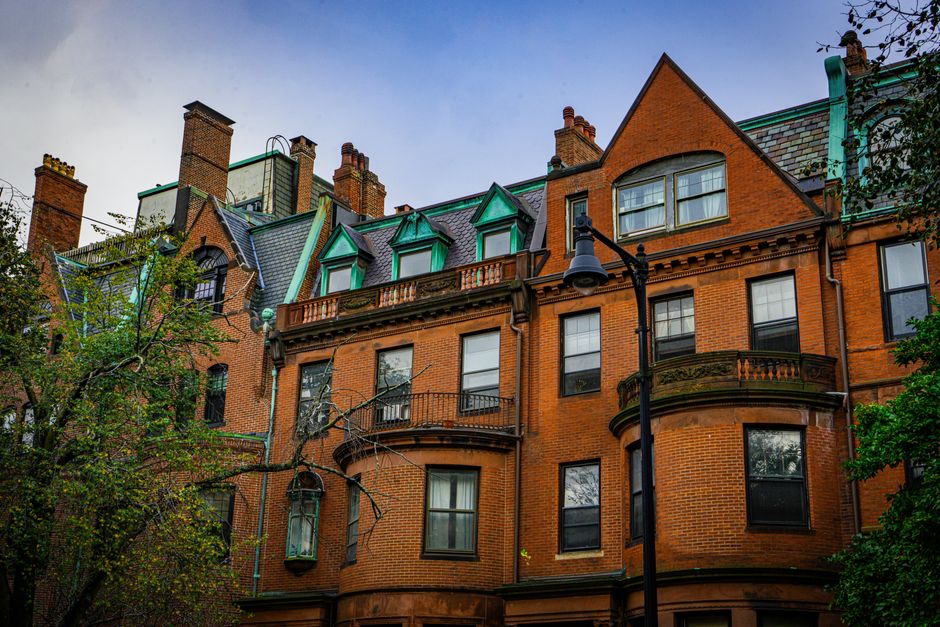
International visitors often note that Boston's market culture resembles older European shopping districts more than typical American retail environments. The emphasis on neighborhood identity, the prevalence of independent ownership, and the integration of commerce into historic architecture reflect values that American cities largely abandoned in the 1970s and 1980s. Boston kept its markets because they were always too central to demolish, too historically protected to ignore, and too profitable to abandon.
That accidental preservation has become Boston's most distinctive retail advantage—a shopping experience shaped by history rather than corporate strategy.
This article was compiled by AI from the sources linked above and screened before publishing. See our editorial standards.