Where Strangers Become Regulars: What Boston's Neighbourhood Markets Reveal About Us
From Haymarket's organised chaos to the quiet rituals of Newbury Street, local shopping districts tell the real story of how Bostonians build community.
From Haymarket's organised chaos to the quiet rituals of Newbury Street, local shopping districts tell the real story of how Bostonians build community.
Every Saturday morning, Haymarket transforms into a living theatre of negotiation and connection. Vendors call out produce prices—tomatoes at three pounds for five dollars, fresh basil bundled for loose change—while neighbours from the North End, Downtown, and beyond weave between stalls, shopping bags multiplying. This isn't just commerce. It's where Mrs. Chen from Chinatown catches up with her cousin's friend, where a teenager working summer money learns to haggle, where the neighbourhood pulse becomes tangible.
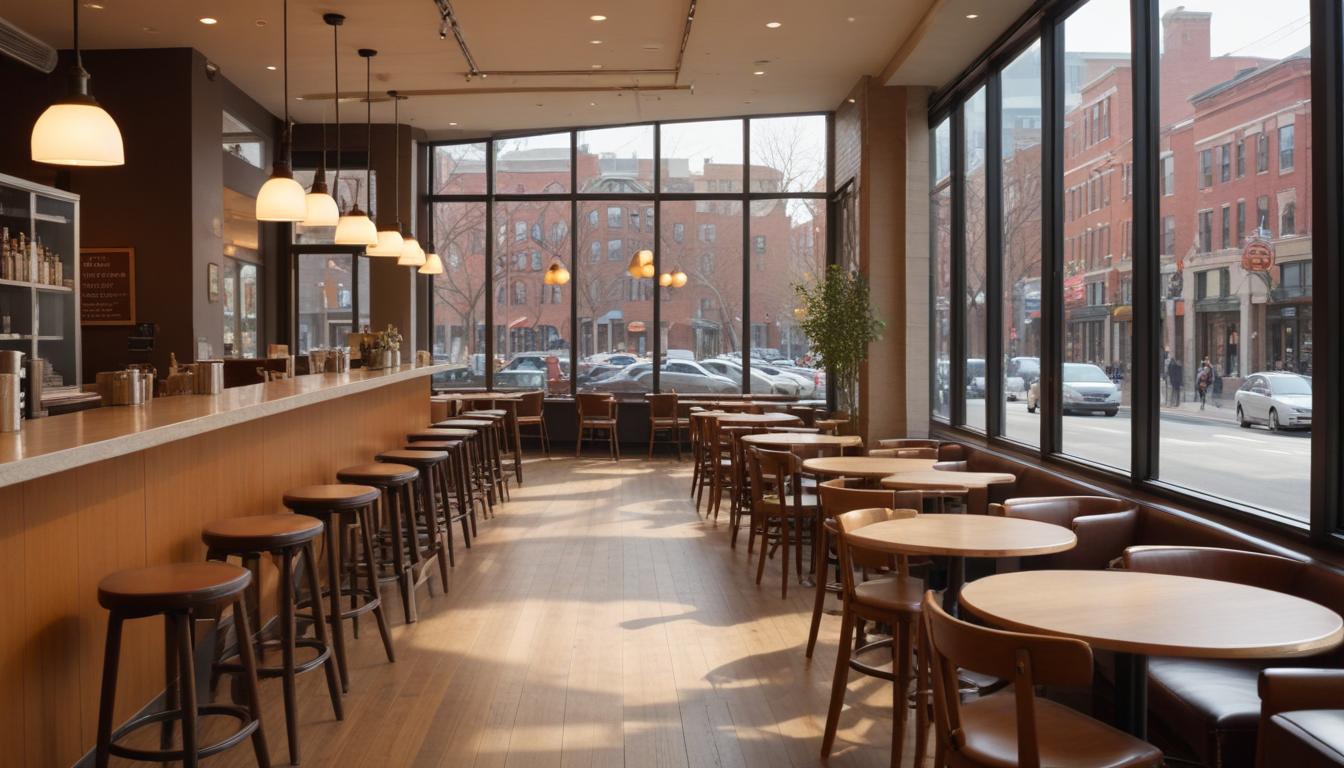
Over on Newbury Street, the energy shifts entirely. Here, the shopping experience unfolds at a measured pace. Independent boutiques like Trident Booksellers & Cafe anchor the community—a space where regulars claim favourite reading nooks and baristas remember orders. Recent foot traffic data suggests these hybrid retail-social spaces have become critical to neighbourhood identity, with foot traffic to independent retailers up 8 percent year-over-year across Boston's retail districts, according to local commerce boards.
What makes Boston's shopping markets distinctive isn't the merchandise. It's the unwritten rules, the repeat customers who've become fixtures, the sense that you're part of something sustained. At the Boston Public Market on Hanover Street, opened in 2015, local farmers and artisans operate year-round stalls. The market has become a gathering point—not just for Sunday brunchers, but for regulars who know vendors by name, who ask about their harvests, who understand the seasonal rhythms.
In Jamaica Plain, Centre Street's cluster of independent shops—vintage stores, used bookshops, family-run delis—creates a very different neighbourhood vibe. The shopping experience here emphasises discovery and relationship. Owners often know customers' preferences. Prices reflect fair wages and sustainable sourcing rather than fast-fashion economics. It's slower, more intentional.
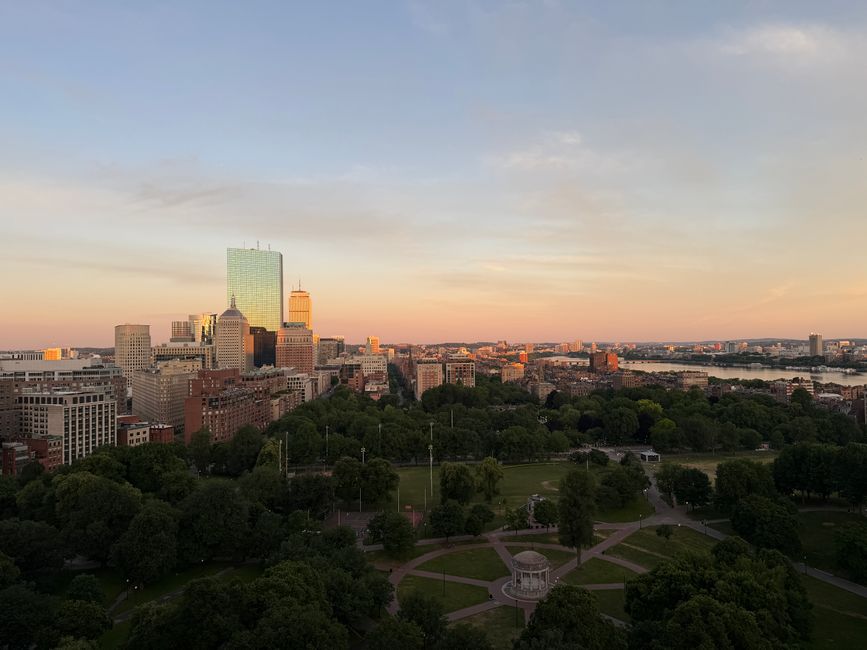
Even our newer developments understand this. The Prudential Center's ground-floor renovation included dedicated space for local vendors and craftspeople, recognising that neighbourhood character requires authentic presence, not just corporate retailers.
The real insight? Boston's most vibrant shopping districts aren't about the lowest prices or broadest selection. They're places where regular people—across income levels, neighbourhoods, and backgrounds—return repeatedly because something intangible keeps them coming back. A greeting from a familiar face. The knowledge that your dollar supports a local family. The rhythm of seasonal change reflected in window displays and vendor offerings.
Shopping in Boston's markets remains a fundamentally human act. That's what distinguishes our neighbourhood retail landscape from anywhere else.
This article was compiled by AI from the sources linked above and screened before publishing. See our editorial standards.
How does this story make you feel?
Spread the word
About this article
Published by The Daily Boston
Daily brief
Free, in your inbox before 7am. Weekdays.
More in lifestyle