Five years ago, a weekend in Boston's Seaport District meant navigating crowds at the New England Aquarium and fighting for tables at the usual suspects along Atlantic Avenue. Today, the neighbourhood is undergoing a quieter, more interesting evolution—one that's pulling locals away from the well-trodden tourist trail and into spaces that feel genuinely liveable.
The shift is unmistakable if you know where to look. The Institute of Contemporary Art, which opened in 2006, has evolved from a cultural curiosity into a genuine weekend destination. Their recent programming—free community hours on Friday evenings, experimental film nights, and rotating local artist installations—has created something rare: a world-class venue that doesn't feel exclusive. Summer Fridays now draw neighbourhood residents as much as out-of-towners, with many lingering on the surrounding plazas that have been redesigned with native plantings and seating areas optimised for actual conversation rather than photographs.
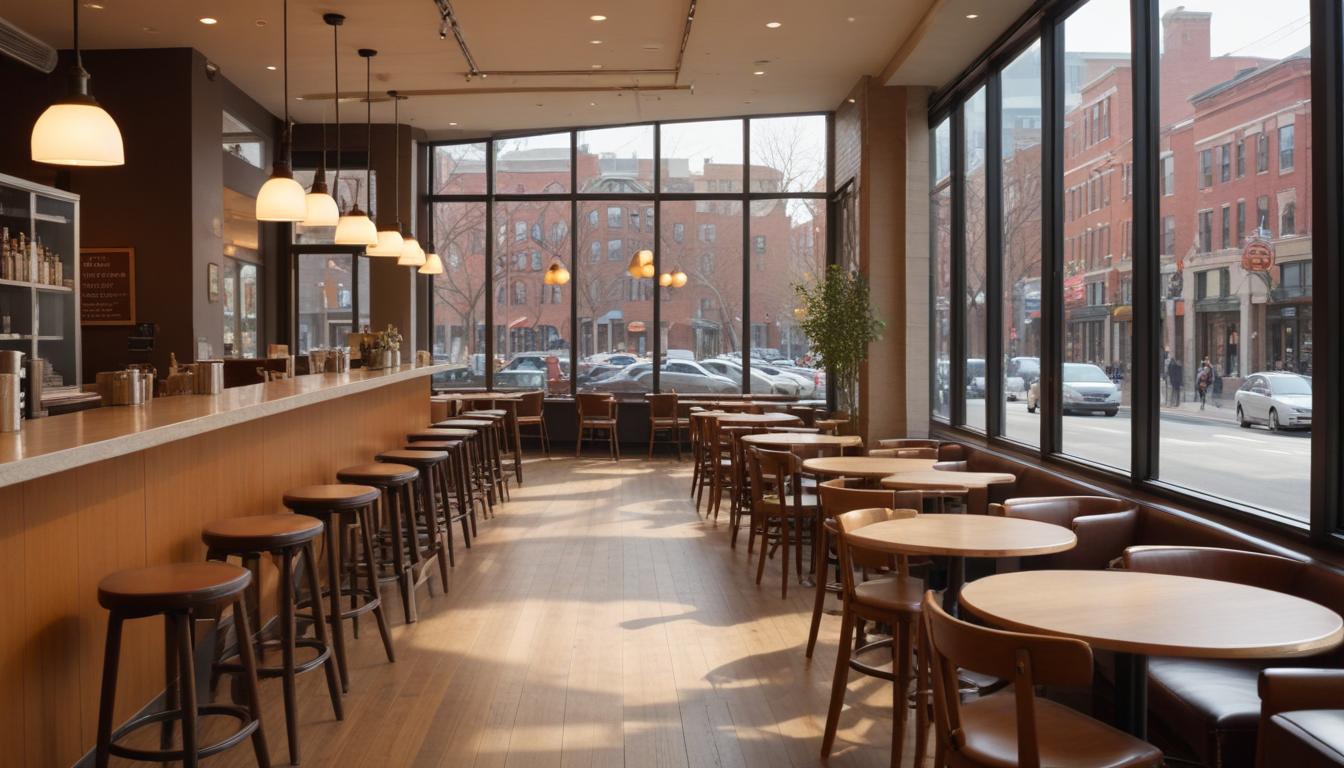
Along Fan Pier and the newly extended Harborwalk, the infrastructure itself has changed. The addition of public kayaking access through the Boston Harbour Association's community programme has democratised waterfront engagement. Where the district once catered exclusively to fine dining and luxury retail, you'll now find casual neighbourhood spots—small wine bars on Sleeper Street, independent coffee roasters, and Thursday evening farmers markets that draw genuine residential traffic.
Perhaps most telling is the residential expansion. New England Development's recent additions have brought over 1,200 new residents to the Seaport in the past two years alone, shifting the demographic from transient visitors to people who actually live here. This has created demand for the unglamorous essentials—proper grocery stores, community gardens, neighbourhood pubs where you don't need reservations or Instagram credentials.
The transformation isn't complete, and purists might argue the neighbourhood still carries the DNA of its developer-driven origins. Prices remain steep—a casual lunch easily runs $18-25 per person—and there's still plenty of corporate polish. But something genuine is emerging in the spaces between the flagship boutiques and hotel lobbies.
For Bostonians seeking weekend time away from the usual haunts, the Seaport is finally offering something it couldn't before: the possibility of actually belonging there, rather than simply visiting. That's a more meaningful evolution than any luxury development could promise.
This article was compiled by AI from the sources linked above and screened before publishing. See our editorial standards.