Boston's Peculiar Gift: Why This City's Neighborhood Model Stands Apart Globally
From walkable brownstone districts to centuries-old civic institutions, Boston offers a distinctly American-European hybrid that few cities anywhere can replicate.
From walkable brownstone districts to centuries-old civic institutions, Boston offers a distinctly American-European hybrid that few cities anywhere can replicate.
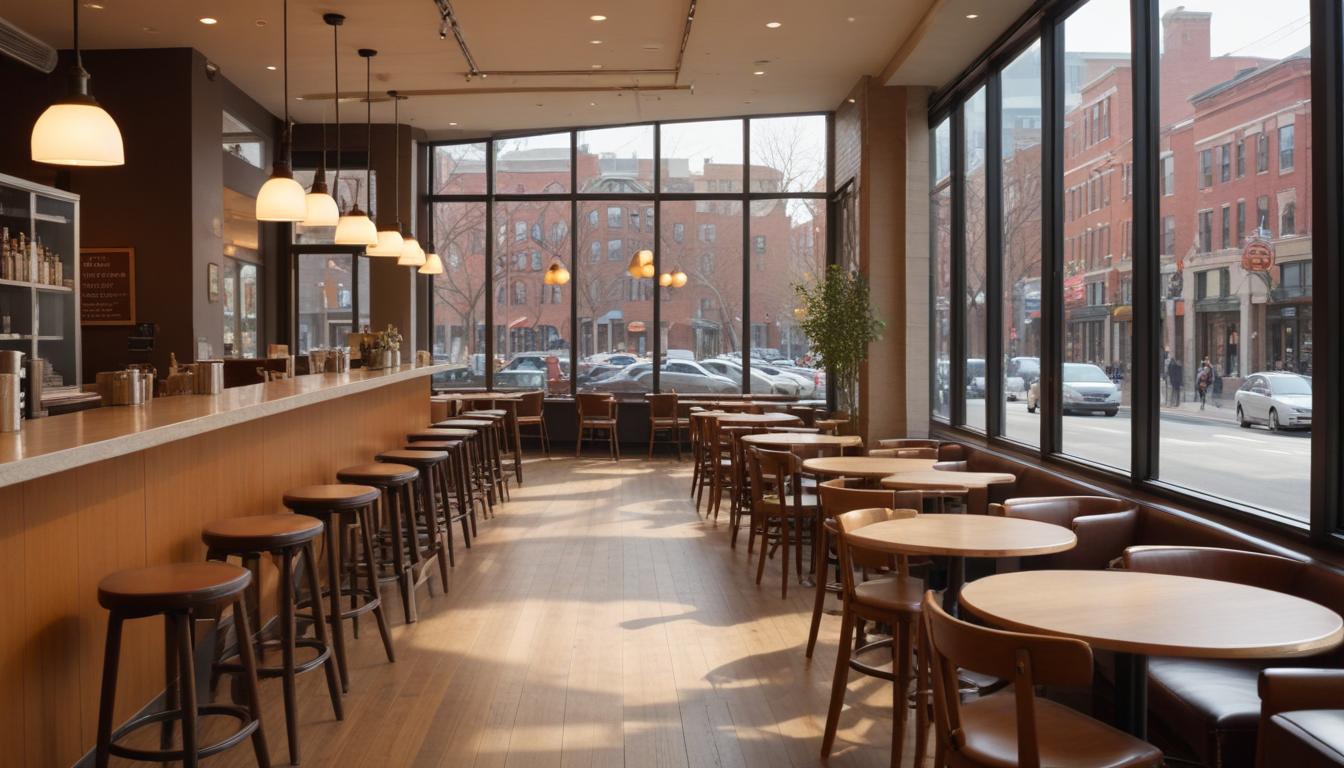
What makes Boston's neighborhoods fundamentally different from other major cities worldwide comes down to an accident of history: this is one of the few American cities where you can walk from your apartment to work, grab coffee at a 150-year-old institution, and actually afford to live there—at least compared to London, Singapore, or San Francisco.
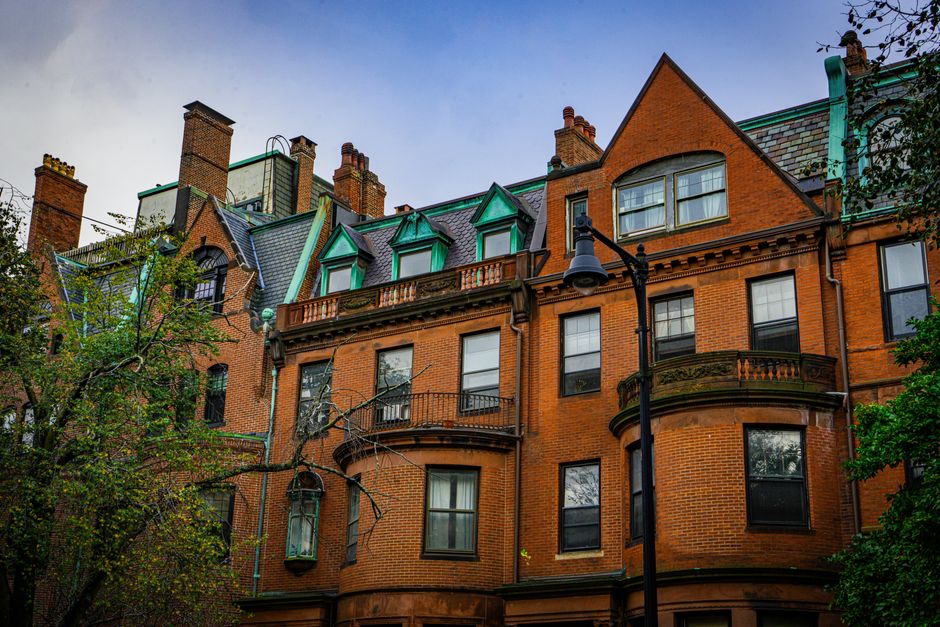
Consider Beacon Hill. This 1.5-square-mile enclave on the northeast slope of Beacon Hill remains one of North America's most intact 19th-century residential neighborhoods. The brick rowhouses lining Charles Street and Louisburg Square weren't designed by a developer's master plan; they evolved organically over decades. That human-scaled authenticity is precisely what global urban planners now spend millions trying to recreate artificially in new-build neighborhoods across Europe and Asia. Here, it simply exists.
The Back Bay district offers another distinctly Bostonian model: a grid system so rigidly planned (1860s-1890s) that it now feels revolutionary in our age of sprawl. Commonwealth Avenue's 200-foot width, lined with trees and neighborhood institutions, creates an almost Parisian atmosphere—except you can still rent a one-bedroom for $2,100 monthly, versus the €2,500-plus typical in the 16th arrondissement.
What truly differentiates Boston globally is its neighborhood-anchored civic life. The Jamaica Plain Community Center, Roslindale Village Main Street organization, and the Dorchester Bay City Church represent something increasingly rare: hyperlocal institutions where actual community organizing happens. These aren't corporate co-working spaces or Instagram-friendly food halls; they're genuine gathering places embedded in residential fabric.
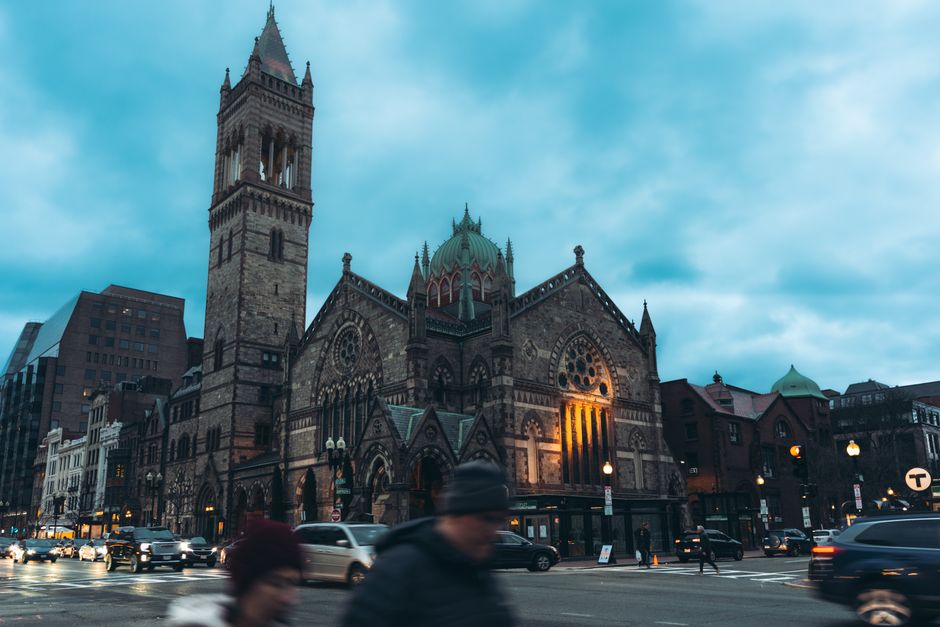
The city's public institutions reinforce this. The Boston Public Library branches—particularly the Copley Square flagship—function as genuine neighborhood anchors, not just book repositories. Compare this to London's fragmented approach or Seoul's chain-cafe culture, and you spot a fundamental difference in how Bostonians conceive of shared space.
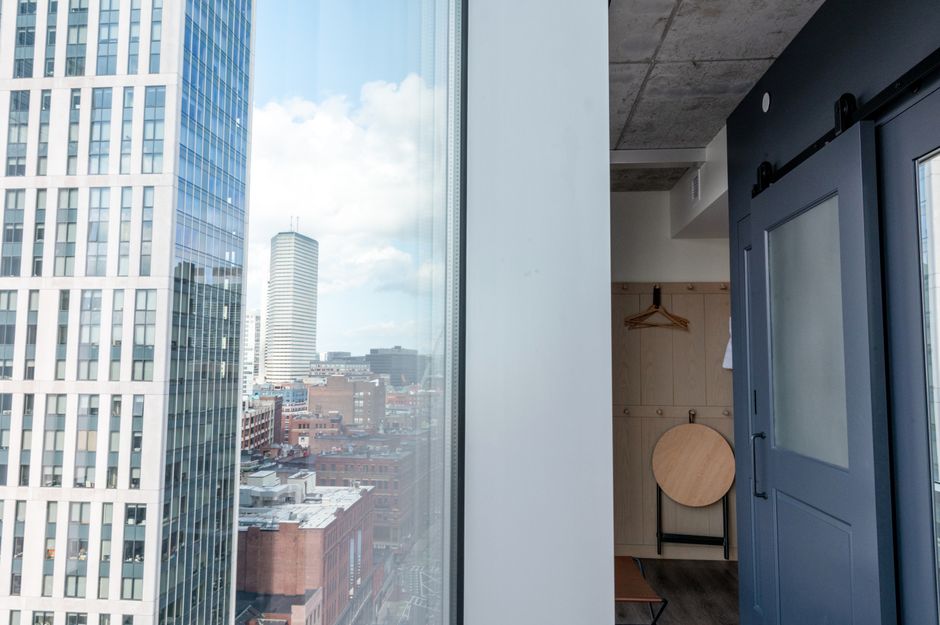
That said, Boston's neighborhood model faces pressure. Rising property values have pushed median rents in desirable areas toward $2,500-$3,200 for two-bedroom apartments. Gentrification in formerly working-class areas like Roxbury and Mattapan threatens the economic diversity that long sustained the city's neighborhood character.
Yet what endures is this: most Boston neighborhoods remain walkable, transit-connected, and anchored by independent businesses and genuine community institutions rather than chains. That combination—European walkability meets American accessibility—remains remarkably uncommon globally. It's worth protecting.
This article was compiled by AI from the sources linked above and screened before publishing. See our editorial standards.
How does this story make you feel?
Spread the word
About this article
Published by The Daily Boston
Daily brief
Free, in your inbox before 7am. Weekdays.
More in lifestyle