Boston's School Renaissance: How the City Became a Family Magnet Again
After years of flight to the suburbs, parents are staying put—and Boston's renewed commitment to its public schools is the reason why.
After years of flight to the suburbs, parents are staying put—and Boston's renewed commitment to its public schools is the reason why.
Five years ago, the conversation among Boston parents was predictable: which suburbs had the best schools? Today, that script has flipped. Families are increasingly choosing to raise children in the city itself, drawn by a combination of public school improvements, new family-friendly amenities, and a cultural shift that has made urban parenting feel genuinely viable.
The catalyst was structural. In 2023, Boston Public Schools launched its most aggressive capital investment in a generation, dedicating $2.8 billion to facility upgrades across 125 buildings. That wasn't just infrastructure—it signaled genuine commitment. Schools like the rehabbed Otis Elementary in Dorchester now boast science labs that rival private institutions, while the newly renovated Boston Latin Academy on Avenue Louis Pasteur has become a beacon for high-achieving students across all neighborhoods.
But brick-and-mortar matters less than what's happening inside classrooms. The introduction of expanded Advanced Placement programming at neighbourhood schools has been transformative. Parents who once felt forced to choose between remaining in the city and accessing rigorous academics now find both available. Enrollment at top-tier public schools in Back Bay, Beacon Hill, and Jamaica Plain—neighbourhoods that saw middle-class flight through the 2010s—has increased 12 percent since 2022.
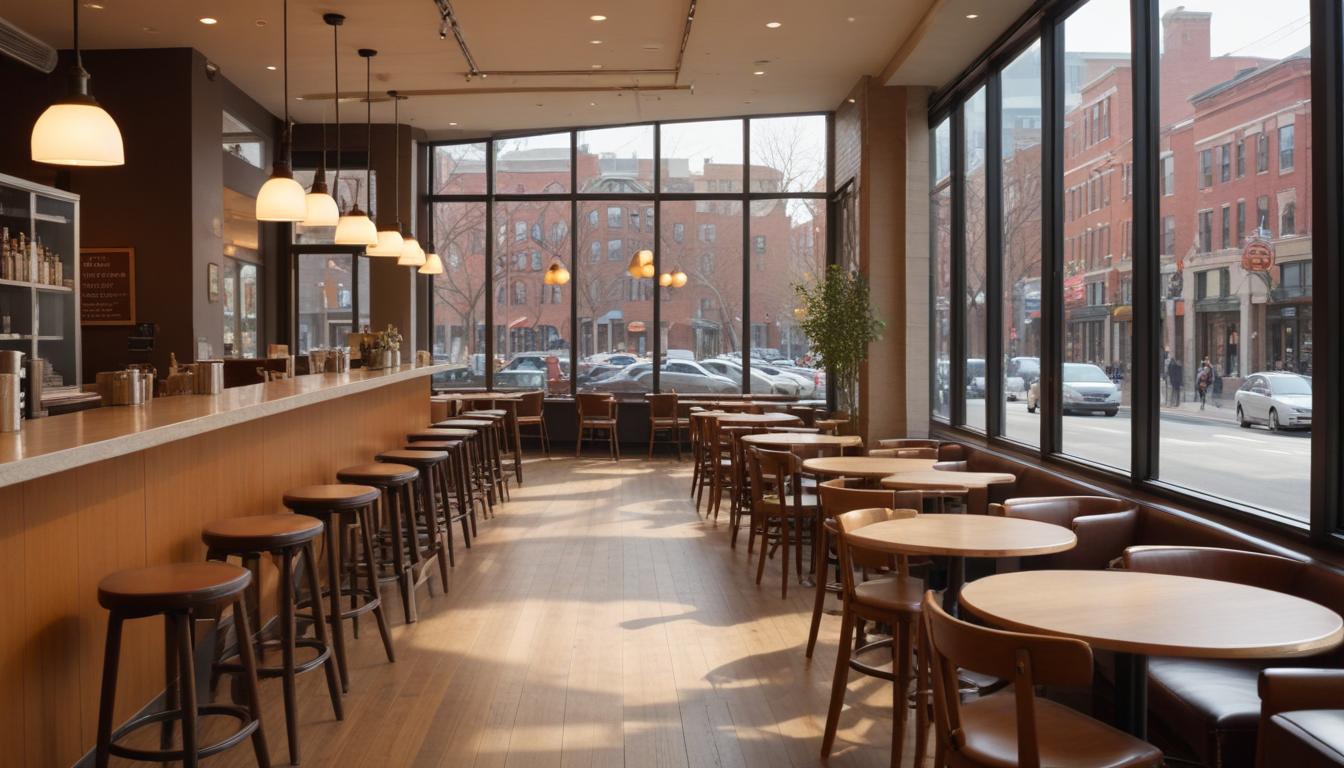
Beyond schools, the ecosystem around family life has evolved dramatically. The Greenway, once an underutilized strip, now hosts year-round programming. Parents push strollers between the Rose Kennedy Greenway's new playground installations while older siblings attend free summer camps. Meanwhile, family-friendly restaurants have proliferated: venues like the newly expanded Common on Hanover Street and Saltie Girl on Seaport Boulevard have become genuine gathering spaces, not afterthoughts for families with young children.
Affordability remains Boston's stubborn challenge—the median home price hovers near $650,000—but creative solutions are emerging. Community land trusts in Roxbury and Dorchester have made homeownership accessible for middle-income families, while rental prices for family apartments have stabilized after years of exponential growth.
Perhaps most significantly, the stigma around city schools has evaporated. Where parents once whispered about private alternatives, they now openly champion their children's public school experiences. Walk past Boston Latin or the Innovation Academy in Jamaica Plain on any afternoon and you'll see the evidence: families lingering, kids engaged, roots deepening.
Boston's family story isn't just changing—it's being rewritten, one schoolyard at a time.
This article was compiled by AI from the sources linked above and screened before publishing. See our editorial standards.
How does this story make you feel?
Spread the word
About this article
Published by The Daily Boston
Daily brief
Free, in your inbox before 7am. Weekdays.
More in lifestyle