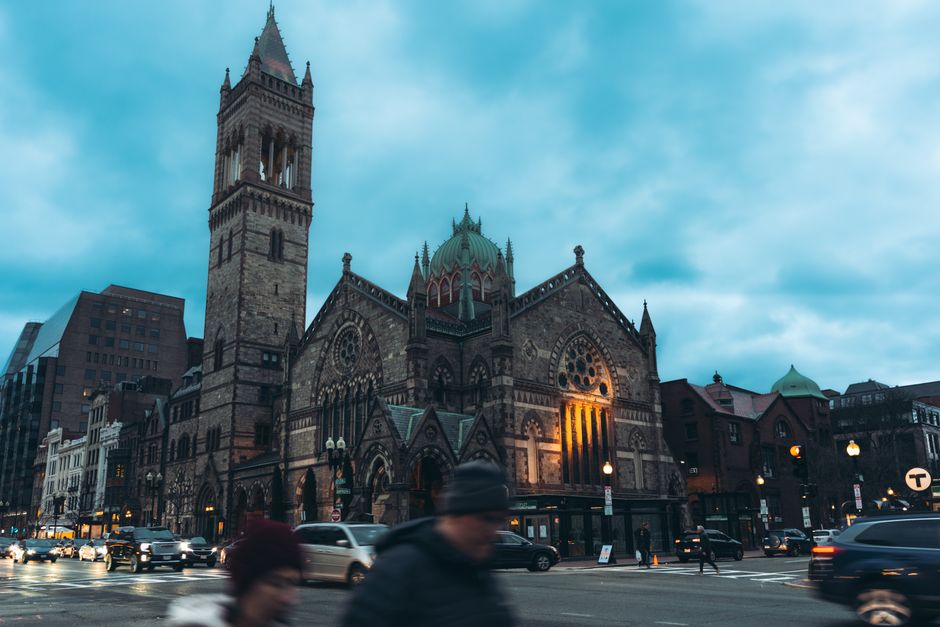
Walk through Boston Common on a Tuesday afternoon and you'll notice something distinctly local: toddlers in vintage strollers, parents debating school choice over iced coffee, and a palpable sense that education isn't just important—it's the currency of the community. This city's approach to family life reflects centuries of intellectual tradition colliding with 21st-century progressive parenting, creating something you won't quite find elsewhere.
What makes Boston unique isn't just that we have excellent schools—it's that access to them has become a defining feature of neighbourhood identity in ways that shape where families actually live. Unlike sprawling American suburbs or European capitals with centralized education systems, Boston families navigate a complex ecosystem of Boston Public Schools, charter schools, and private institutions like Buckingham Browne & Nichols and Milton Academy. The competition is fierce. Average private school tuition hovers around $30,000 annually, making school selection conversations at Flour Bakery on Clarendon Street as intense as anywhere on earth.
But here's what's distinctly Boston: the city's intellectual heritage creates an unusual parenting culture. Proximity to Harvard, MIT, and Boston University means parents—many themselves educated at elite institutions—view childhood as foundational to competitive futures. Yet simultaneously, Boston's progressive neighbourhoods like Jamaica Plain and Cambridge champion developmental approaches emphasizing play over academics. This tension defines our parenting landscape in ways you see less starkly in, say, London or Singapore, where class structures and educational pathways feel more predetermined.
The physical geography matters too. Unlike sprawling cities requiring cars for everything, Boston's walkability means children experience urban life directly. Families routinely navigate the Freedom Trail, duck into the Museum of Fine Arts during rainy Sundays, or picnic at the Boston Public Garden—mixing historical consciousness with daily life in ways that feel almost European. This creates a particular kind of child: aware of civic history, comfortable in cultural institutions, and shaped by urban density.
Local parenting organizations like Boston Parent/Child and the Children's Trust reflect another distinction: strategic coordination around family policy. Boston consistently ranks among top U.S. cities for parental leave advocacy and has pushed for universal pre-K access with particular vigour.
Perhaps most tellingly, Boston families talk about schools, neighborhoods, and educational philosophy with an intensity that reflects both genuine options and genuine stakes. We're not simply accepting predetermined pathways. We're actively, sometimes obsessively, constructing them—which is both our greatest strength and our most characteristic anxiety.
This article was compiled by AI from the sources linked above and screened before publishing. See our editorial standards.