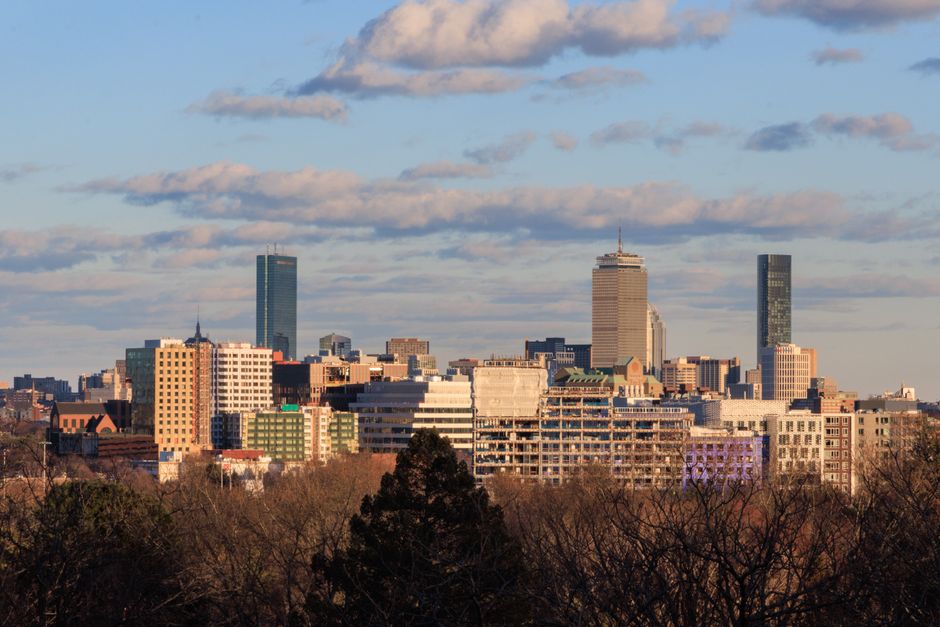
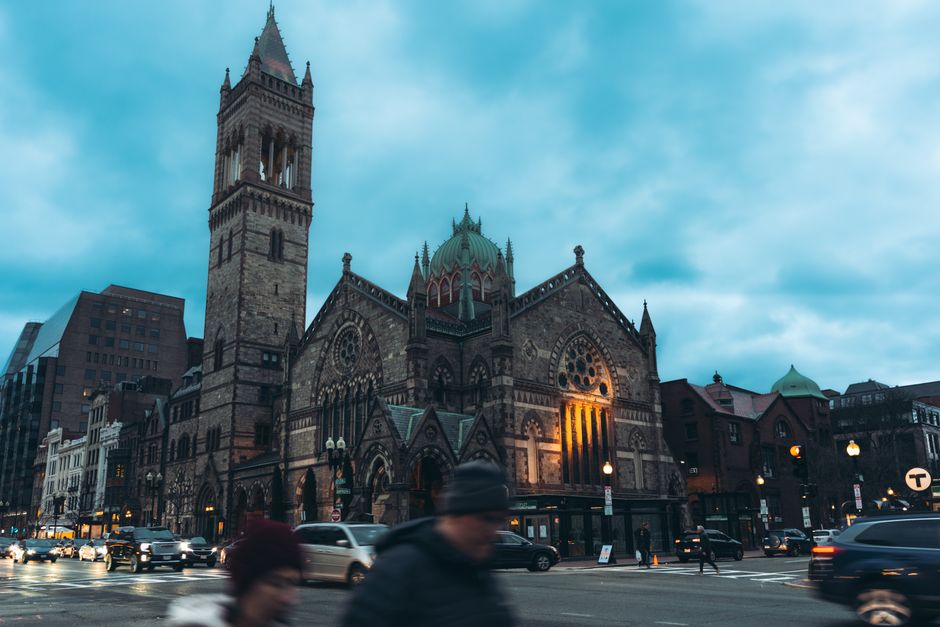
Walk through the North End on a summer evening, and you'll understand what separates Boston from other major global cities: a peculiar alchemy of old-world charm and cutting-edge ambition that feels entirely its own. Where London has centuries of imperial grandeur and Tokyo offers futuristic efficiency, Boston offers something rarer—a living, breathing connection to American founding mythology wrapped around world-class universities, biotech innovation, and neighbourhoods where multi-generational families still run corner cafés.
Consider what makes this city tick. The Freedom Trail, that 2.4-mile red-brick path stitching together 16 historic sites, doesn't just attract tourists; it shapes how Bostonians actually move through their city. You can't grab lunch on Hanover Street without passing the Old State House. This isn't Manhattan's compartmentalised history or London's museum-fied past—it's woven into daily life.
The education factor distinguishes Boston globally. With MIT in Cambridge and Harvard in nearby Watertown, plus Boston University, Northeastern, and Boston College nearby, the city punches above its weight as an intellectual hub. Student populations rejuvenate neighbourhoods annually. Back Bay and Cambridge's Harvard Square buzz with this energy in ways you won't find in peer cities unless they're explicitly university towns.
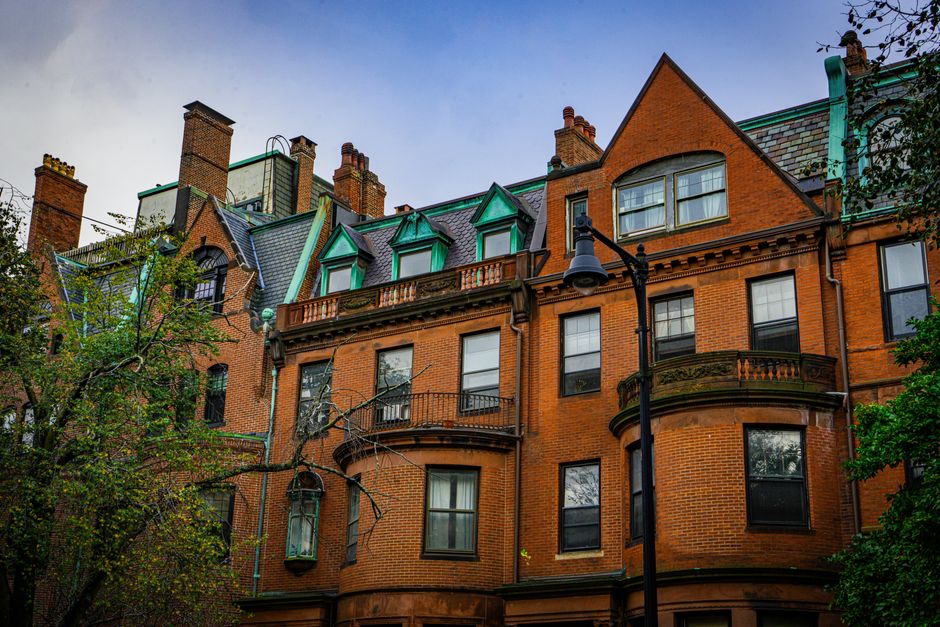
But what truly sets Boston apart is its neighbourhood loyalty. Unlike sprawling cities where residents cluster by wealth or profession, Boston's communities—Beacon Hill, Jamaica Plain, West End, Dorchester—maintain distinct personalities and fierce civic pride. Real estate in Beacon Hill hovers around $1.2 million for a modest townhouse, yet residents actively defend local character against homogenisation. Compare this to Sydney or Vancouver, where gentrification often erases neighbourhood identity wholesale.
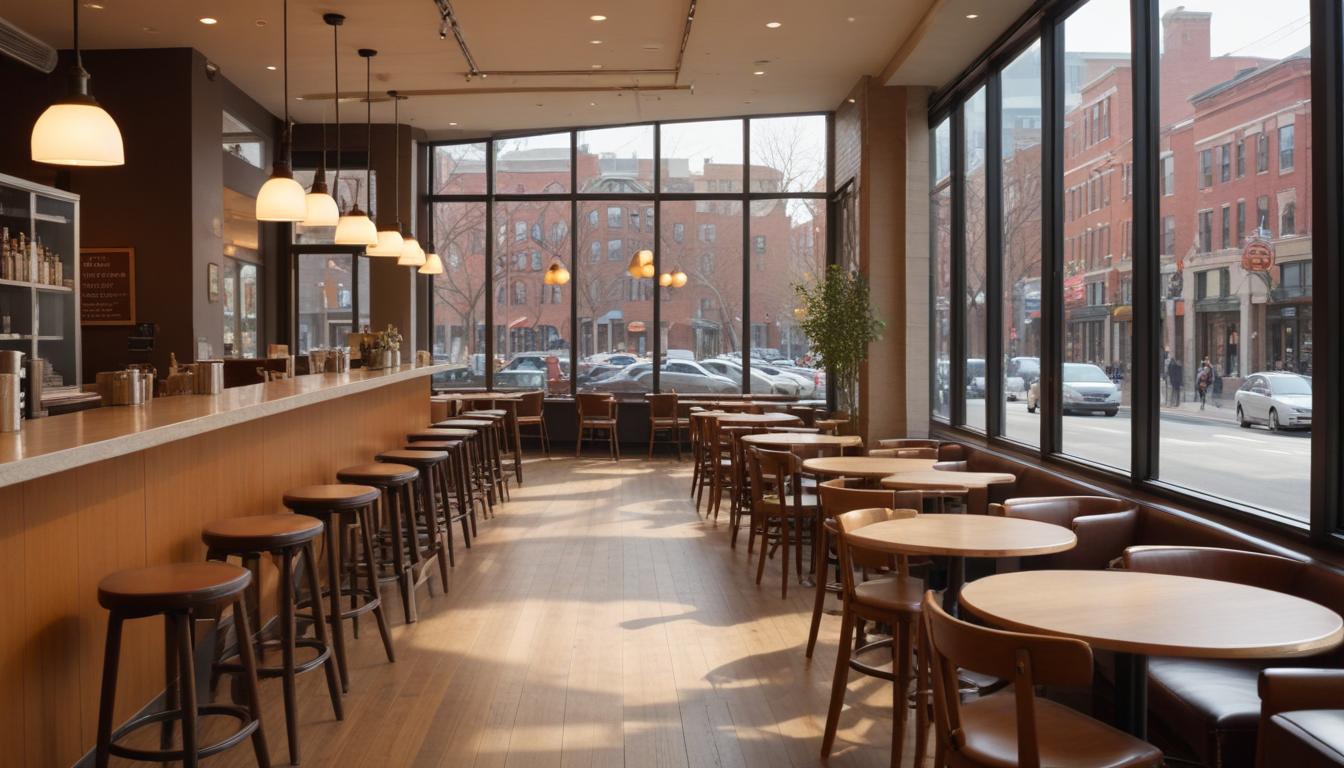
The food scene reflects this too. Neighbourhoods like the North End remain authentically Italian rather than trendy-Italian, with restaurants serving families for fifty years. Meanwhile, Chinatown—one of the oldest in North America—continues evolving while maintaining roots. Jamaica Plain's Centre Street hosts Black-owned businesses, Latin groceries, and Irish pubs alongside millennial-friendly startups.
Sports culture provides another Boston-specific thread. The Red Sox, Celtics, Patriots, and Bruins create shared civic identity across class lines in ways most global cities can't match. Fenway Park isn't just a stadium; it's a neighbourhood anchor affecting property values, gathering rituals, and collective memory.
Finally, Boston's size—roughly 700,000 residents, 4.9 million metro—creates a sweet spot. It's dense enough for urban sophistication but small enough that neighbourhoods retain personality. You'll bump into someone from your yoga class at the farmer's market on Charles Street. That mix of anonymity and community doesn't translate easily to sprawling megacities or smaller provincial towns.
Boston's uniqueness isn't in any single feature but in how fiercely it maintains historical memory, intellectual vitality, neighbourhood character, and civic pride simultaneously—a balance increasingly rare in our globalised world.
This article was compiled by AI from the sources linked above and screened before publishing. See our editorial standards.