How Boston's Back Bay is Redefining What Modern Family Life Looks Like
As young professionals reshape the neighbourhood, schools and parent communities are adapting to serve a new generation of Boston families.
As young professionals reshape the neighbourhood, schools and parent communities are adapting to serve a new generation of Boston families.
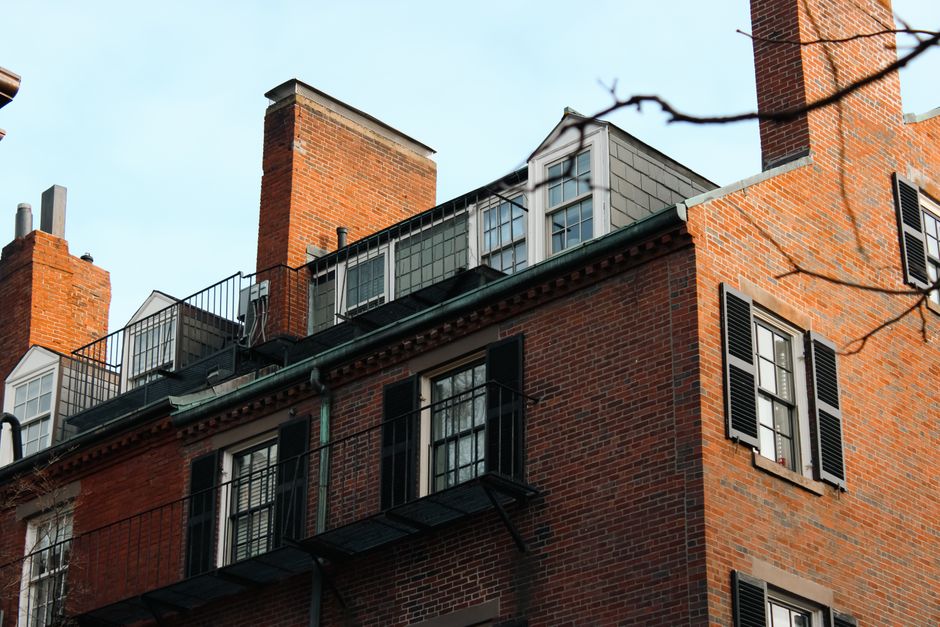
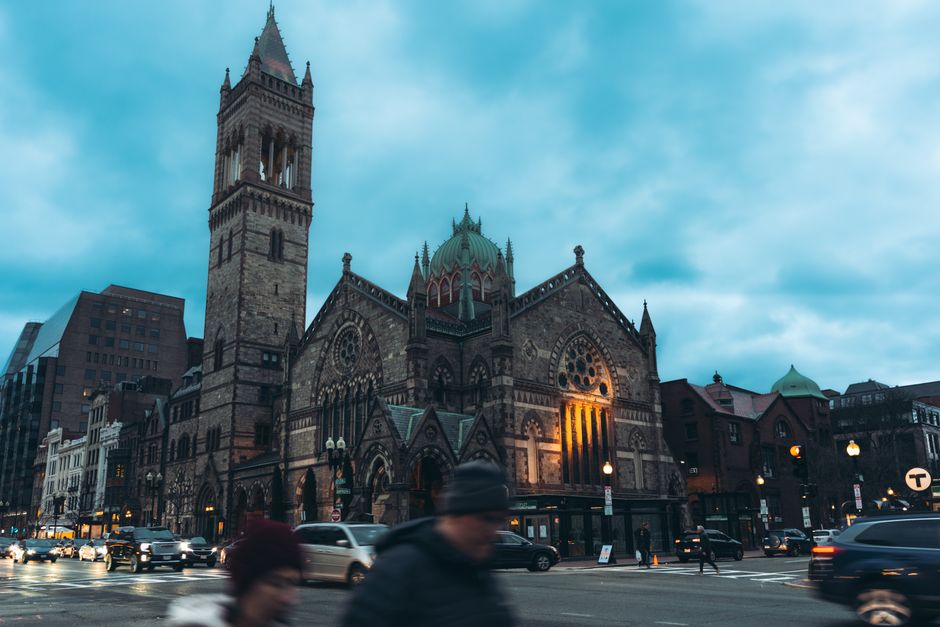
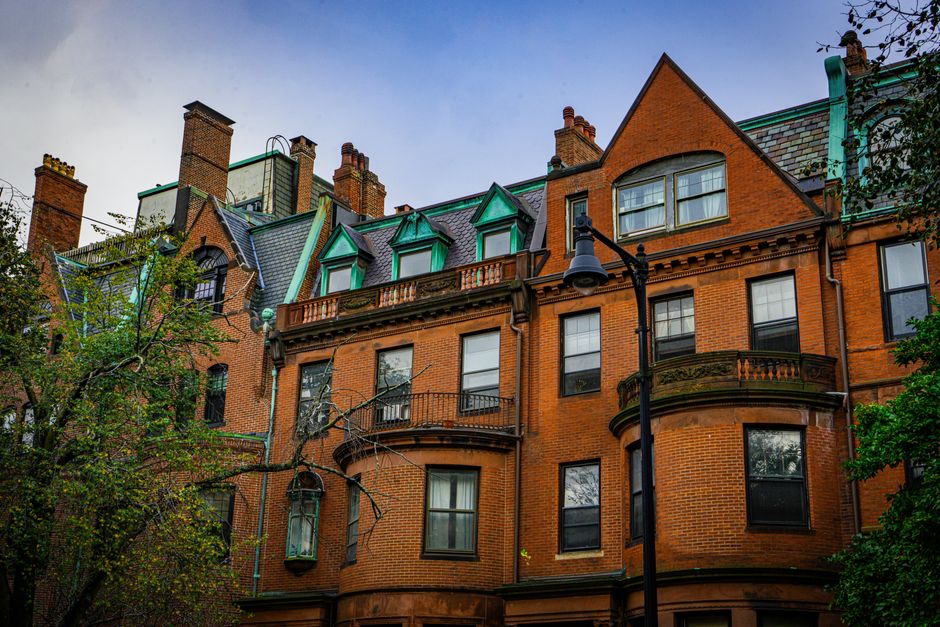
Five years ago, Back Bay's Marlborough Street was primarily known for its elegant brownstones and established families who'd lived here for decades. Today, the neighbourhood is experiencing a demographic shift that's fundamentally changing how schools operate, how parents connect, and what family life looks like in one of Boston's most prestigious addresses.
The transformation is visible in the numbers. Boston Public Schools data shows that Back Bay elementary enrollments have grown by 18 percent since 2021, with particular growth among families with children under five. Meanwhile, private school applications to institutions like Brimmer and May have increased by 23 percent over the same period, reflecting the influx of affluent young professionals choosing urban family life over suburban alternatives.
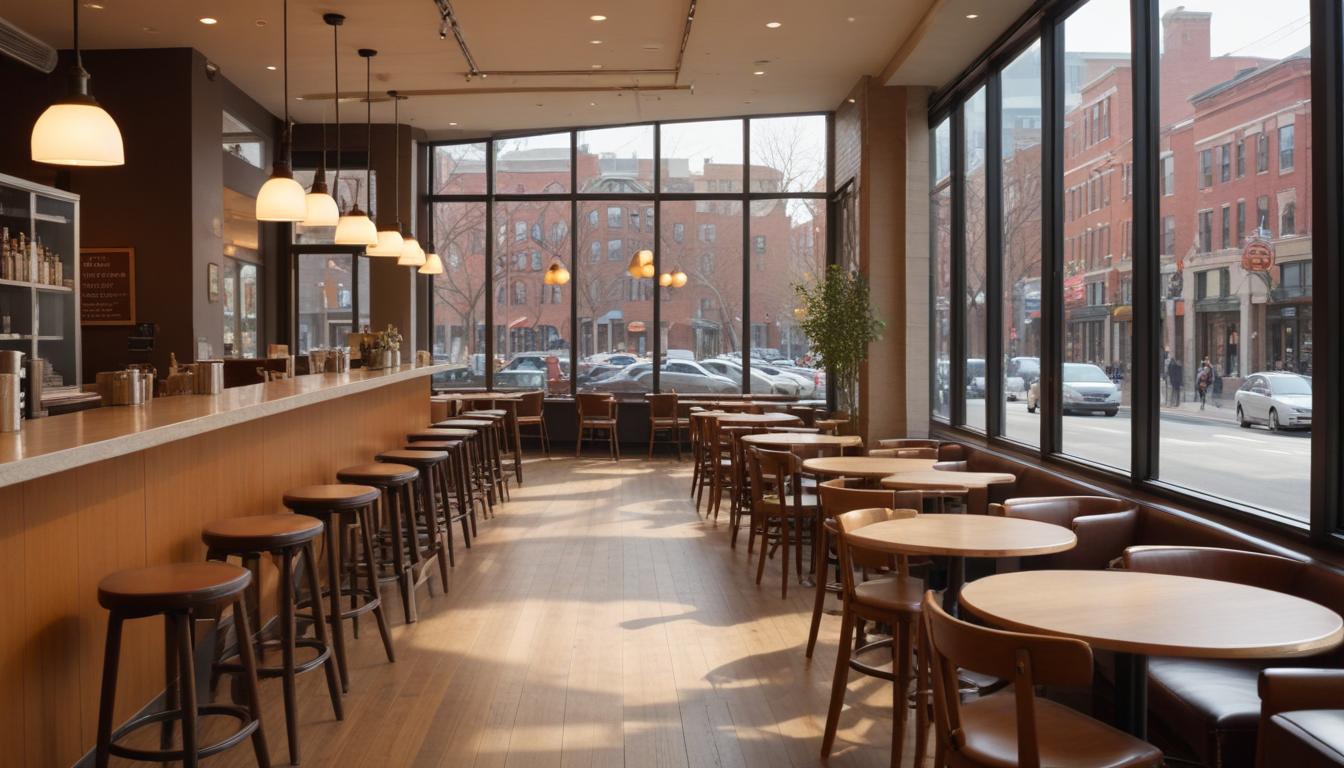
What's driving this shift? Flexible work arrangements post-2024 have made urban living more attractive to remote-capable professionals. Simultaneously, the neighbourhood's restaurant scene—anchored by venues along Newbury Street and the burgeoning café culture near Copley Square—has become genuinely family-friendly rather than purely adult-oriented. Parents now have options that didn't exist five years ago: proper high-chairs at third-wave coffee shops, kid-friendly tasting menus, and weekend programming that accommodates young families.
Schools themselves are adapting. Boston Public Schools has expanded after-school programming at schools like Eliot K-8, recognising that many Back Bay parents work irregular hours. Parent-teacher organisations have become tech-savvy, leveraging platforms that accommodate both in-person and remote participation—a necessity when dual-income families juggle unpredictable schedules.
The price of entry remains steep. Average rents for a two-bedroom apartment in Back Bay now exceed $3,800 monthly, roughly 40 percent higher than citywide averages. Yet families continue arriving, willing to sacrifice square footage for walkability, cultural institutions, and proximity to the Boston Common's playgrounds and green spaces.
This evolution hasn't happened without friction. Long-time residents worry about losing neighbourhood character. School resources face pressure from rapid growth. Parent groups are negotiating new dynamics as younger families bring different expectations around parenting philosophy, education approaches, and community involvement.
Still, the neighbourhood is adjusting. Community spaces like the Back Bay Events Center now host family-focused programming. Local paediatricians report increased demand. Tutoring services and music schools have expanded.
Back Bay's transformation reflects a broader Boston trend: young families are choosing density and culture over traditional suburban models. Whether this trend sustains depends on whether the neighbourhood can manage growth while preserving what attracted these families in the first place.
This article was compiled by AI from the sources linked above and screened before publishing. See our editorial standards.
How does this story make you feel?
Spread the word
About this article
Published by The Daily Boston
Daily brief
Free, in your inbox before 7am. Weekdays.
More in lifestyle