If you've been considering a move to Boston, the timing has never been better. Over the past eighteen months, the city has undergone a quiet transformation that's caught even long-time residents by surprise—one that's making the transition for expats considerably smoother, and more culturally enriching, than it was even two years ago.
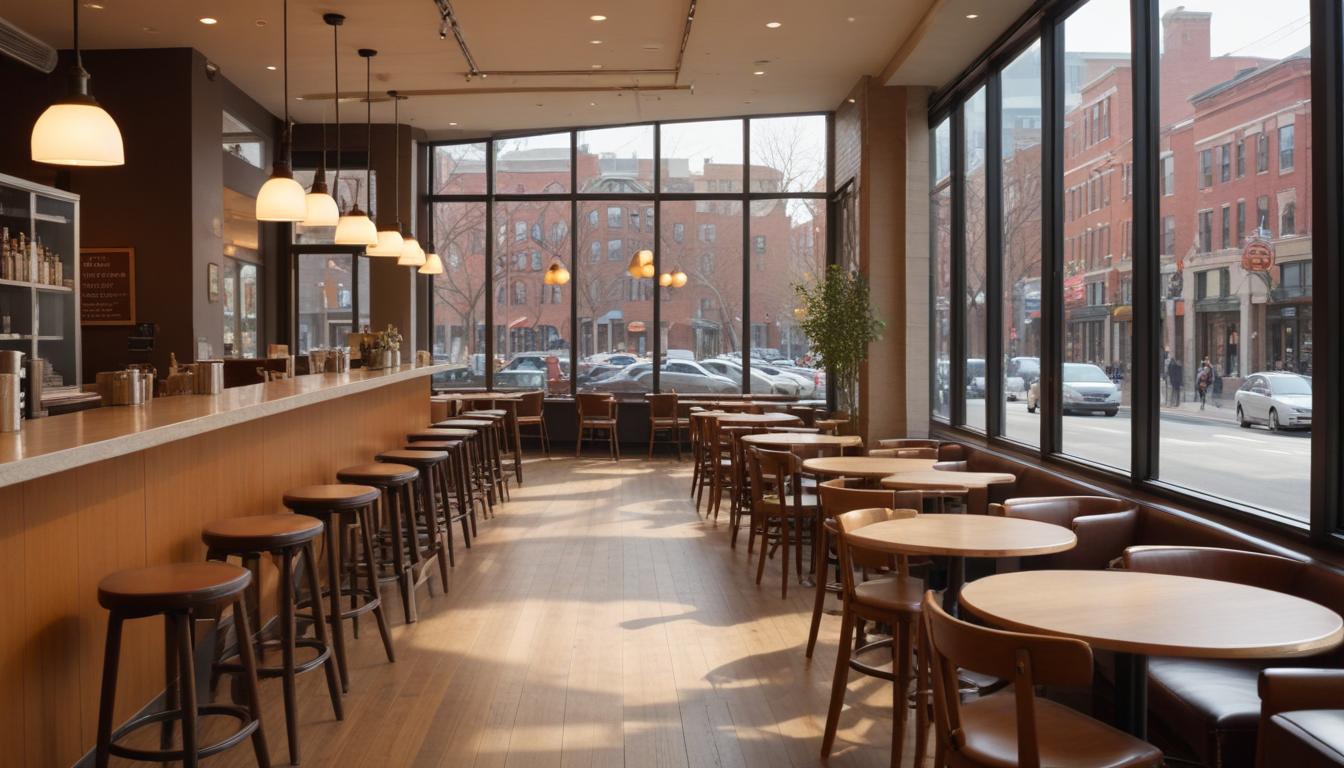
Start with the T. The MBTA's expanded weekend service on the Red and Orange Lines, which rolled out last autumn, has fundamentally changed how people navigate between neighbourhoods. For international arrivals settling in Jamaica Plain or Roxbury, the reliable weekend connections mean you're no longer dependent on ride-shares to explore the city. That accessibility has sparked a renaissance in smaller pockets: a string of new Portuguese and Brazilian restaurants has opened along Centre Street, while coworking spaces in Dorchester now rival those in the Financial District for both amenities and price. Monthly membership runs around $280, compared to $350 downtown.
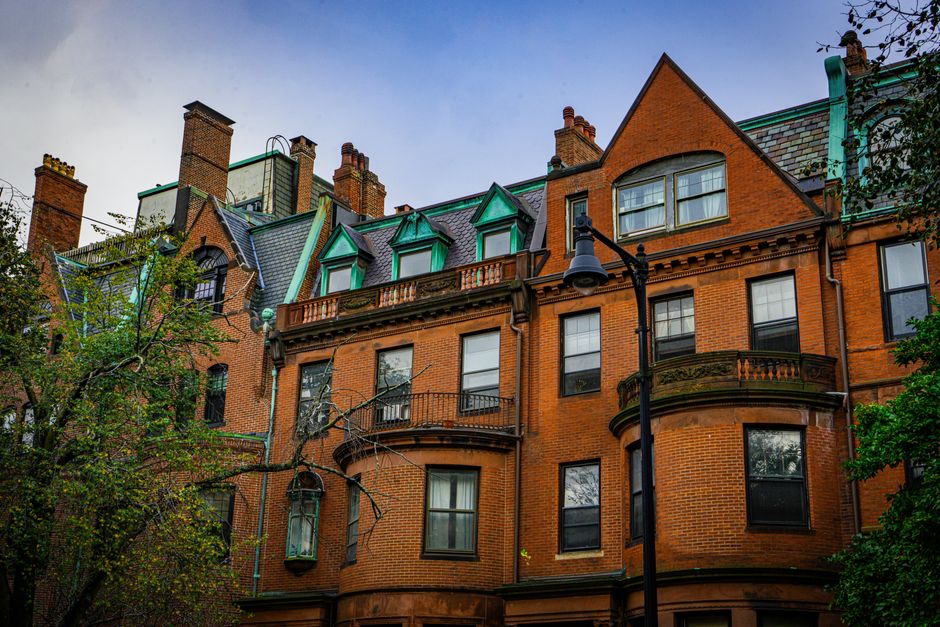
The housing conversation has shifted, too. While Boston's median rent remains steep at approximately $2,100 for a one-bedroom in central locations, neighbourhoods like Allston and East Boston have seen modest stabilisation. More importantly, the proliferation of expat-focused relocation services—several opened their first Boston offices in 2024 and 2025—means newcomers now have legitimate support navigating visa requirements, neighbourhood selection, and school districts. The Greater Boston Expat Network, launched by residents in Beacon Hill, now hosts monthly meetups that attract everyone from tech workers to academics.
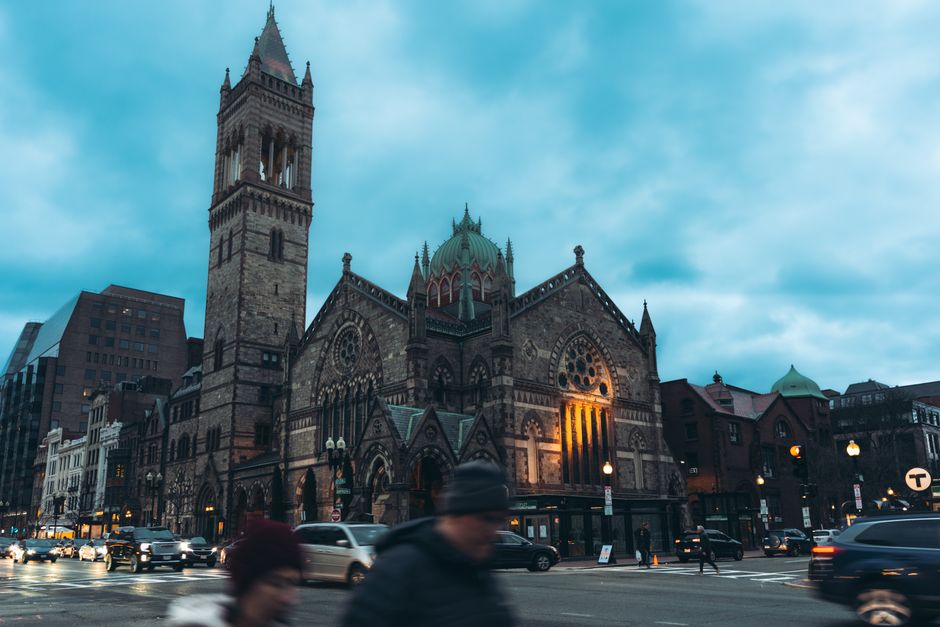
Culturally, the shift feels palpable. The opening of the Institute of Contemporary Art's expanded community programming, coupled with ongoing renovation of the Boston Public Library's central branch on Copley Square, has created genuine gathering spaces beyond bars. International food halls—particularly the newly renovated Haymarket near the Rose Kennedy Greenway—now stock ingredients and prepared foods that would have required trips to specialty shops just three years ago.
What locals emphasise most, though, is a growing civic pride in diversity itself. Neighbourhood associations, historically Boston institutions, are actively recruiting multilingual members. Schools across Brookline and Cambridge have expanded ESL programming. The city's immigrant population now comprises nearly 30 percent of residents, and that demographic weight has translated into tangible institutional change.
For expat arrivals in 2026, Boston presents something it didn't consistently offer before: infrastructure, community, and genuine acceptance that you're not an outsider, but part of what's making the city work. The old Boston was always liveable. This version—this Boston—feels intentionally welcoming.
This article was compiled by AI from the sources linked above and screened before publishing. See our editorial standards.