Jamaica Plain feels less like a Boston neighbourhood and more like a small town that somehow got folded into a major metropolitan area. Walk down Centre Street on any Saturday morning, and you'll witness the kind of organic community fabric that urban planners spend millions trying to recreate elsewhere: neighbours greeting each other by name outside Flour Bakery, young families browsing vintage finds at local shops, musicians setting up for impromptu street performances.
The neighbourhood's character stems partly from its physical geography. Bordered by the Emerald Necklace—Frederick Law Olmsted's 1,100-acre park system that includes Jamaica Pond and Arnold Arboretum—JP residents enjoy rare green space accessibility. The pond itself has become an unofficial community gathering point, where everything from early-morning paddleboarders to sunset dog-walkers form a daily rotation of local life.
What distinguishes JP from trendier Boston enclaves is its commitment to affordability and cultural diversity. While median rents have climbed to roughly $2,100 monthly for a one-bedroom apartment, the neighbourhood resists the homogenisation creeping into areas like Seaport or Back Bay. Walk along Seaverns Avenue or Boltwood Walk, and you'll find multigenerational immigrant families, young professionals, artists, and longtime residents who've weathered decades of gentrification pressures.
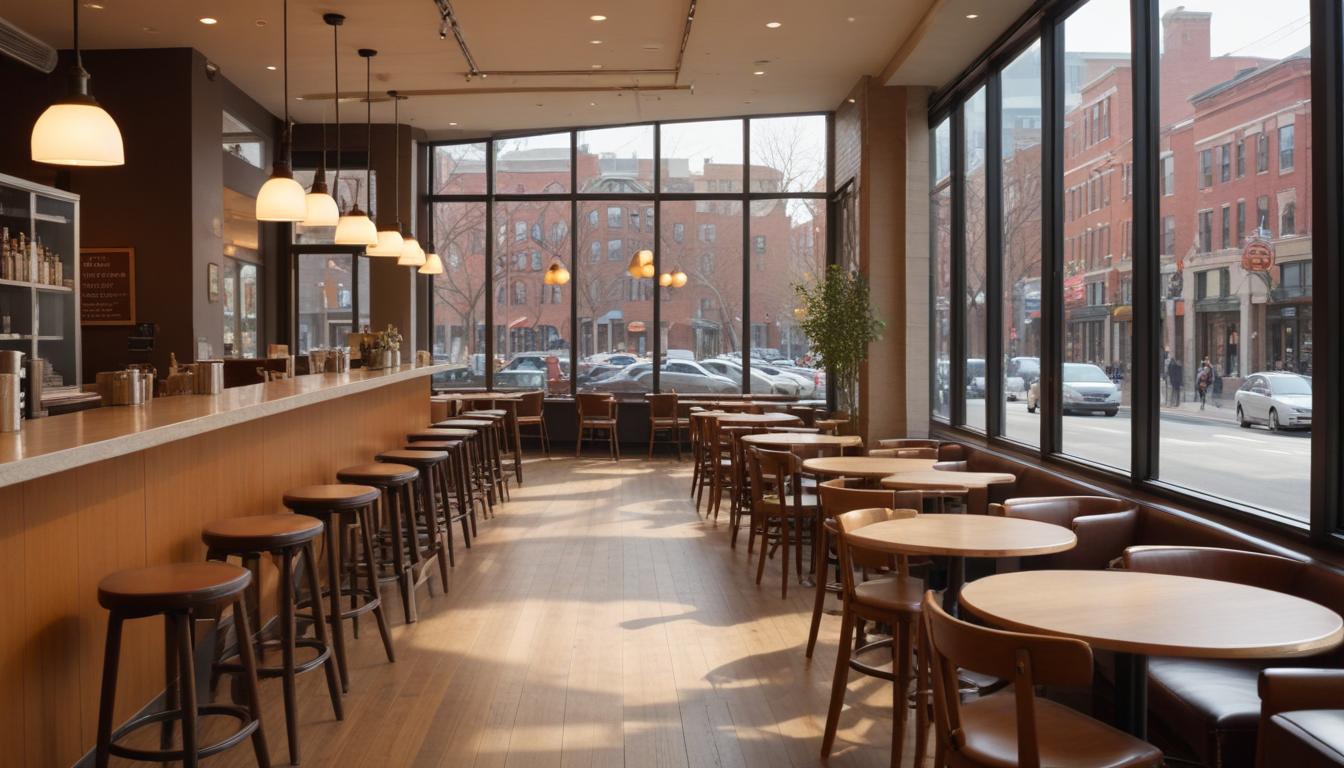
The community institutions here are genuinely loved. The Jamaica Plain Neighbourhood Development Corporation has operated for nearly five decades, advocating for affordable housing and local economic development. Local spots like Tres Gatos on Centre Street serve as unofficial neighbourhood meeting halls—places where baristas know regular customers' orders and community bulletin boards coordinate everything from block associations to immigrant support networks.
Recent data shows JP remains one of Boston's most economically diverse neighbourhoods, with household incomes ranging from under $25,000 to over $150,000 annually. This economic mix creates an unusual urban dynamic where neighbourhood identity isn't defined by purchasing power but by shared commitment to community life.
The neighbourhood's independent spirit shows in small ways: a thriving local business association that resists chain expansion, vibrant murals on Myrtle Street celebrating local culture, and seasonal events like the Jamaica Plain New Year's Parade that draw thousands with a decidedly grassroots ethos.
For newcomers considering JP, the appeal is straightforward: a neighbourhood where community isn't aspirational branding but daily practice. That's increasingly rare in Boston.
This article was compiled by AI from the sources linked above and screened before publishing. See our editorial standards.