Boston's Bar Scene Has Quietly Transformed—And Locals Are Here for It
From craft cocktails to live music venues, the city's nightlife has evolved beyond the old-school Irish pub formula that once defined the scene.
From craft cocktails to live music venues, the city's nightlife has evolved beyond the old-school Irish pub formula that once defined the scene.
Walk down Lansdowne Street on a Friday night in 2026, and you'll notice something markedly different from five years ago. The Boston bar scene has undergone a subtle but unmistakable transformation—one driven by younger entrepreneurs, changing consumer tastes, and a deliberate shift away from the high-volume, high-decibel nightlife model that dominated the 2010s.
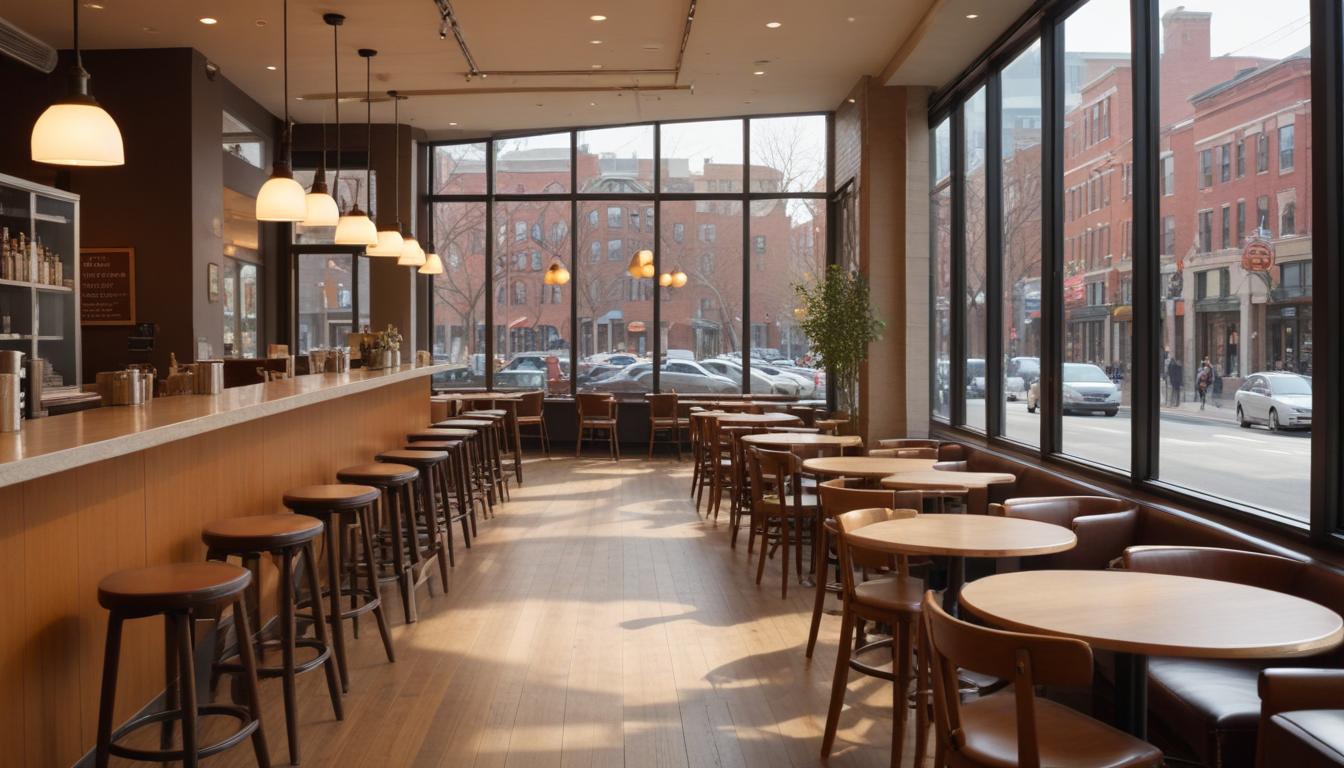
The most striking change? An explosion of neighborhood bars that actually prioritize conversation over chaos. In the Seaport, Fort Point, and parts of Beacon Hill, intimate cocktail lounges have proliferated, with establishments focusing on small-batch spirits, house-made syrups, and bartenders who actually remember regulars' names. The average craft cocktail price has settled around $16-$18, significantly higher than the $10 rail drink of the previous era, yet foot traffic suggests patrons view this as fair exchange for quality.
"People want experiences now, not just a place to get drunk," notes the thriving community of bar owners and hospitality professionals who've invested in the neighborhood revival. This philosophy has particularly taken root in Jamaica Plain and along Thatcher Street, where micro-venues hosting live jazz, experimental electronic music, and poetry readings have become cultural anchors rather than afterthoughts.
The shift reflects broader demographic changes. According to recent hospitality surveys, Boston's nightlife crowd skews older—the median age of bar-goers has increased from 28 to 34 over the past four years—while younger professionals increasingly opt for rooftop bars, wine-focused venues, and activity-based nightlife (think pinball tournaments or trivia nights) over traditional club scenes.
Fenway has similarly reinvented itself, shedding its reputation as a purely student-dominated party corridor. Venues here now feature rotating exhibitions from local artists, while bars have partnered with nearby institutions to host themed evenings celebrating everything from Boston's culinary renaissance to conversations about urban development.
What hasn't changed? The city's deep love of Irish pubs—establishments along Hanover Street and throughout the North End remain packed—but even these institutions have evolved. Many now feature curated beer lists and gastropub menus that reflect Boston's increasingly sophisticated palate.
For locals, the transformation feels organic rather than manufactured. The city has simply matured. It's no longer about finding the loudest venue or cheapest drinks. It's about discovering the neighborhood spot that feels like home, where you can actually hear your friends, and where the bartender might recommend a spirit you've never heard of.
This article was compiled by AI from the sources linked above and screened before publishing. See our editorial standards.
How does this story make you feel?
Spread the word
About this article
Published by The Daily Boston
Daily brief
Free, in your inbox before 7am. Weekdays.
More in lifestyle