The Faces Behind Boston's Markets: Where Every Stall Tells a Story
From Haymarket to the Boston Public Market, the vendors and community members who keep our city's retail heart beating reveal what really makes this place work.
From Haymarket to the Boston Public Market, the vendors and community members who keep our city's retail heart beating reveal what really makes this place work.
On a humid Tuesday morning in late June, Maria Santos arranges heirloom tomatoes at her stall in the Boston Public Market on Hanover Street, her hands moving with the precision of someone who's done this for fifteen years. "I know my customers by name," she says simply, adjusting a display of Portuguese produce. "That's not the supermarket. That's here." She's one of roughly 100 vendors who've transformed the market—opened in 2015 as part of the city's downtown revitalization—into something beyond a shopping destination. It's become a gathering place where the diversity of Greater Boston finds a tangible center.
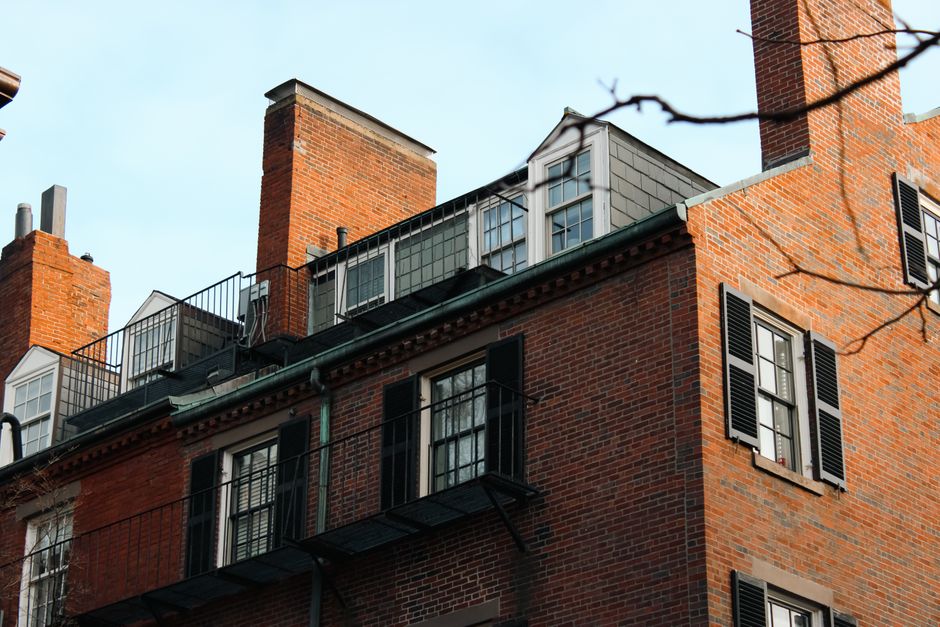
Just blocks away, Haymarket's legendary outdoor stalls buzz with the energy of haggling and discovery. On weekends, families come not just for the deals—produce prices routinely undercut nearby chains by 30 percent—but for the rhythm of the place itself. Vendors like the Martignetti family, who've worked these streets since the 1950s, have watched Boston transform around them. "This market remembers when the city was different," explains one third-generation merchant, gesturing toward the brick buildings framing the plaza. The Public Market Authority reports that foot traffic has grown steadily, with over 2 million visitors annually, many of them discovering neighborhoods beyond downtown.
The real story, though, lives in the smaller moments. At Quincy Market—that tourist magnet many locals dismiss—a vendor named James has been serving the same espresso from the same cart for twelve years. Regular commuters from the Financial District know his order before he does. In Jamaica Plain, the Jamaica Plain Markets cooperative has grown into a community institution, representing more than forty vendors and small producers, many of whom are immigrants building livelihoods while preserving cultural traditions through food and craft.
These spaces matter because they're fundamentally human-scaled in a way that e-commerce and big-box retail simply aren't. Research from the Local Independent Business Alliance suggests that dollars spent at markets like Boston Public Market circulate through the community at nearly three times the rate of chain retailer spending. But statistics don't capture the real currency here: the regulars who've shopped at the same fish counter for decades, the new entrepreneurs testing their first business idea, the networks of trust built one transaction at a time.
As Boston continues its transformation, these markets remain anchors—places where the city's complexity, diversity, and persistent humanism find expression. They're not quaint throwbacks. They're where our city actually lives.
This article was compiled by AI from the sources linked above and screened before publishing. See our editorial standards.
How does this story make you feel?
Spread the word
About this article
Published by The Daily Boston
Daily brief
Free, in your inbox before 7am. Weekdays.
More in lifestyle