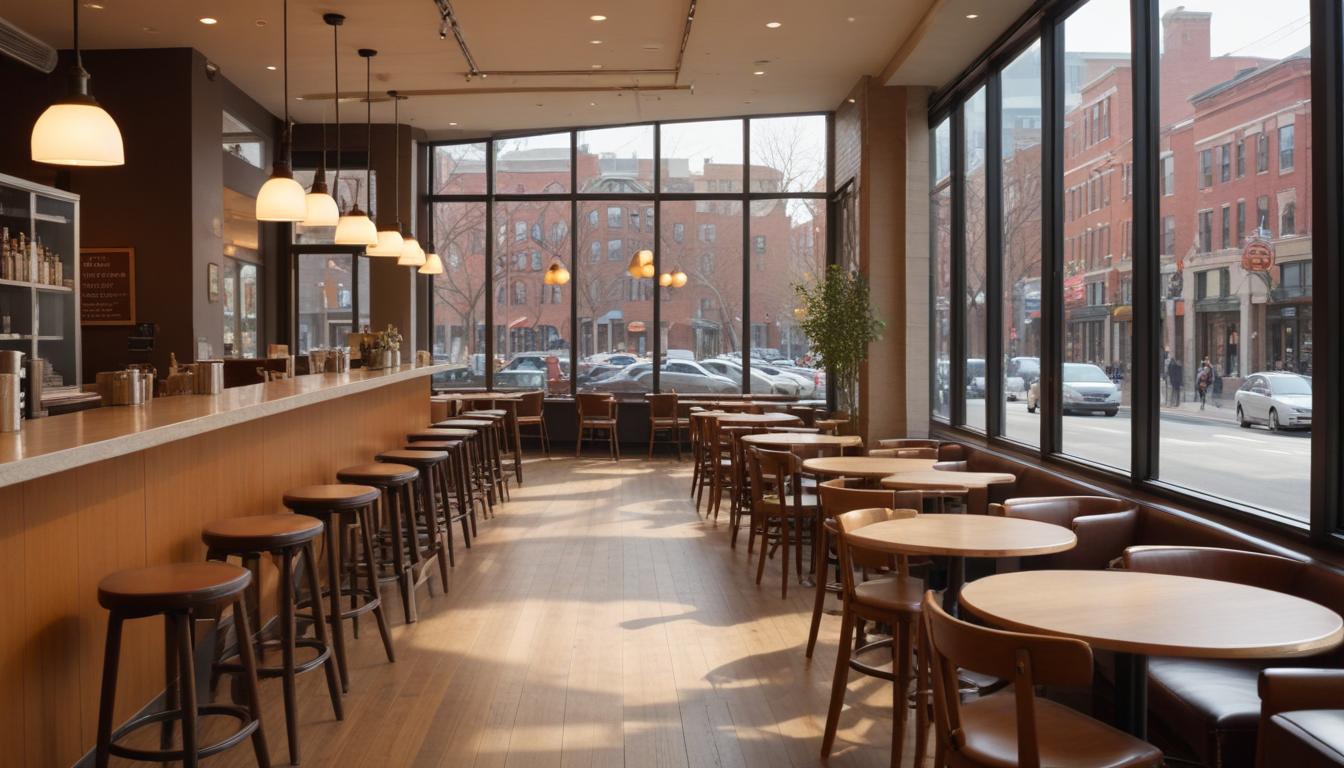
Walk into Murphy's Law on Washington Street in downtown Boston on any given Thursday night, and you'll witness something that transcends the typical bar experience. The packed room—a mix of financial workers, nurses clocking off shifts, and longtime regulars occupying the same stools their parents once claimed—tells a story about neighborhood resilience and continuity in a city that's constantly reinventing itself.
Boston's bar scene has undergone a quiet transformation over the past five years. While the Seaport District continues its ascent as a destination nightlife hub, with craft cocktail bars charging upward of $16 per drink, the real character of this city lives elsewhere. In Jamaica Plain, where median rents have climbed nearly 8 percent annually, neighborhood bars like Brendan Behan have become increasingly important as anchors—spaces where longtime residents and newcomers negotiate shared community identity over $5 pints and free pool tables.
The economics matter. According to the Boston Nightlife Association, roughly 47 percent of Boston's independent bar owners report decreased margins over the past three years, a direct result of rising commercial rents and labor costs. Yet bars remain cultural institutions. In Allston, where Boston University and Boston College students intermingle with working-class families, venues like Deep Ellum function as de facto community centers, hosting live music five nights a week while maintaining a cover charge most college towns would consider generous at $8-12.
What distinguishes Boston's neighborhood bar culture from other major cities is its resistance to homogenization. Visit Houlihan's in Back Bay versus The Tam on Charles Street versus Sissy K's in the North End, and you're essentially taking a neighborhood sociology tour. Each venue reflects its surrounding community's values, income bracket, and social composition with remarkable accuracy.
The summer season particularly illuminates these dynamics. June through August, rooftop bars and patios throughout the city become outdoor extensions of their neighborhoods' street-level identities. The Prudential Center's elevated spaces draw a different demographic than the neighborhood joints along Hanover Street, where Italian-American heritage still shapes the social fabric and beverage preferences.
As Boston continues gentrifying, these bars function as resistance points—places where neighborhood character persists despite development pressure. They're where communities literally gather, share information, and reinforce social bonds. Understanding Boston's neighborhoods means understanding where people actually gather to be themselves, which, increasingly, means finding a barstool and ordering a drink.
This article was compiled by AI from the sources linked above and screened before publishing. See our editorial standards.