A decade ago, Boston Harbor Islands meant one thing: a quick summer pilgrimage to Georges Island for families seeking respite from city heat. Today, the archipelago is undergoing a quiet renaissance. The Boston Harbor Islands National Recreation Area—which manages 34 islands across 50 square miles—has transformed what was once a seasonal attraction into a year-round destination that's reshaping how Bostonians spend their weekends.
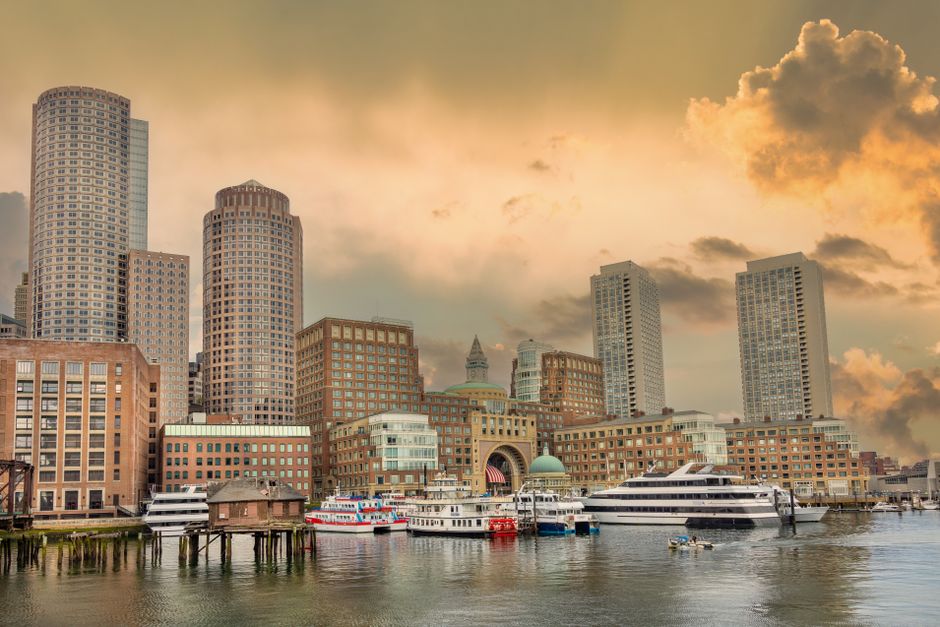
The catalyst? Expanded ferry service and infrastructure investment. Harbor Experiences, the operator of Boston's harbor ferry network, now runs service to five islands daily (up from three in 2019), with weekend sailings departing from Long Wharf in the Financial District every 45 minutes during peak season. The ferry ride itself has become part of the draw—a 20-minute journey costs $14 per adult, offering what might be New England's most affordable waterfront retreat.
Spectacle Island, once a controversial landfill site, exemplifies this transformation. After a $70 million remediation project completed in 2006, it's now Boston's newest recreational jewel. The 105-acre island features two sandy beaches, a restored salt marsh, and hiking trails that wind through native plantings. Weekend crowds—averaging 1,200 visitors on summer Saturdays—have prompted the National Park Service to expand ranger programming, adding guided ecology tours and historical talks that connect visitors to the islands' Indigenous Wampanoag heritage.
What's shifting the perception of harbor islands from summer tourist stops to genuine weekend getaways is the emerging leisure culture around them. Peak's Island now hosts a small café serving locally roasted coffee, while Lovells Island has partnered with local environmental nonprofits to offer dawn birdwatching expeditions. The islands collectively attract approximately 400,000 visitors annually—a 45 percent increase since 2020.
The demographic shift is equally notable. While day-tripping families remain the core audience, professionals working remotely in downtown Boston increasingly treat island visits as productive leisure—packing laptops to work from picnic benches overlooking the Atlantic. Instagram-driven interest in Lesser-Known Boston experiences has brought younger visitors exploring photo opportunities on Georges Island's Civil War-era Fort Warren.
Yet growth brings challenges. Over-visitation is straining facilities on smaller islands, and parking shortages at the Long Wharf ferry terminal have become weekend bottlenecks. The National Park Service is developing a capacity management plan, potentially implementing reservation systems by 2027.
For Bostonians, the evolution signals something larger: a rediscovery of the city's most accessible natural spaces. Harbor islands are no longer an afterthought—they're becoming the weekend destination that rivals New Hampshire's White Mountains or Cape Cod, without the three-hour drive.
This article was compiled by AI from the sources linked above and screened before publishing. See our editorial standards.