Beyond the Tourist Map: What Boston's Neighbourhoods Really Feel Like When You Move Here
An expat's guide to finding your community vibe in Boston's most distinctive districts.
An expat's guide to finding your community vibe in Boston's most distinctive districts.
Moving to a new city is daunting. Moving to Boston—a place where neighbourhoods carry centuries of identity and locals guard their turf with neighbourhood pride—requires more than a map and a lease. The character of where you land shapes everything from your morning coffee ritual to whether you'll actually make friends at the grocery store.
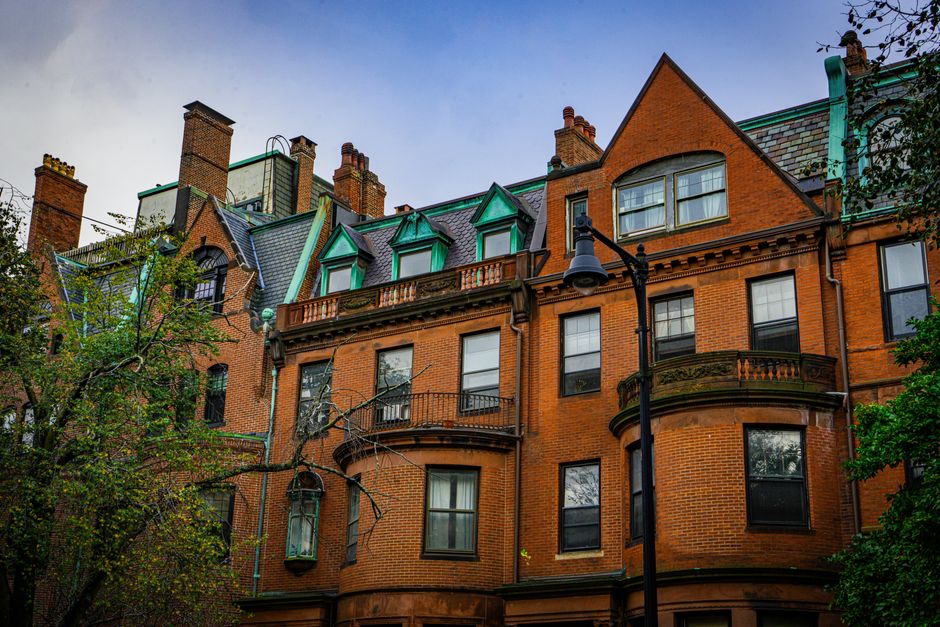
Start in the South End, and you'll discover Boston's most deliberately curated neighbourhood. Tremont Street hums with young professionals and established families navigating brick townhouses that now command north of $1.2 million. The vibe here is cosmopolitan but rooted—galleries sit beside longtime Italian delis, and weekend mornings at SoWa Open Market draw both transplants and third-generation Bostonians. It's expensive, yes, but the infrastructure for newcomers is seamless: restaurants, yoga studios, and the sort of organised community feeling that makes relocation easier.
Want something grittier? Jamaica Plain offers genuine neighbourhood character without the premium price tag. Centre Street pulses with Latin American culture, independent bookshops, and a kind of creative scrappiness that attracts artists and activists. Median rents hover around $1,600 for a one-bedroom—roughly half the South End. The Jamaica Plain Neighbourhood Council is genuinely active, and community gardens along the Emerald Necklace feel less like Instagram backdrops and more like actual gathering spaces where newcomers integrate naturally.
Cambridge presents its own ecosystem entirely. Harvard and MIT anchor the intellectual identity here, but life along Massachusetts Avenue, particularly in Central and Porter Squares, pulses with independent bookstores, vintage shops, and a deliberate rejection of chain restaurants. The cycling culture is serious. The political engagement is intense. Rents are competitive with the South End, but the community vibe skews younger and more bohemian.
For expats seeking something quieter, consider Somerville. Union Square has transformed into a genuine neighbourhood hub—locally owned restaurants, craft breweries, and an increasingly diverse population that creates genuine multicultural exchange. The Davis Square area maintains that rare Boston quality: it's desirable without being precious.
The honest truth: Boston's neighbourhoods demand you show up. Unlike some American cities, you won't simply exist here passively. The Neighborhood Association meetings, the fierce conversations about development, the loyalty to local institutions—these aren't optional. They're the price of entry for actually belonging rather than simply residing.
Pick your neighbourhood not for the restaurant count or Instagram potential, but for the kind of person you want to become in this city. That's how newcomers become Bostonians.
This article was compiled by AI from the sources linked above and screened before publishing. See our editorial standards.
How does this story make you feel?
Spread the word
About this article
Published by The Daily Boston
Daily brief
Free, in your inbox before 7am. Weekdays.
More in lifestyle