Beyond the Guidebook: What Boston Locals Actually Want You to Know About Their Neighborhoods
We asked residents from Allston to the Seaport what they really think about living in Boston's most popular districts—and where the honest trade-offs lie.
We asked residents from Allston to the Seaport what they really think about living in Boston's most popular districts—and where the honest trade-offs lie.
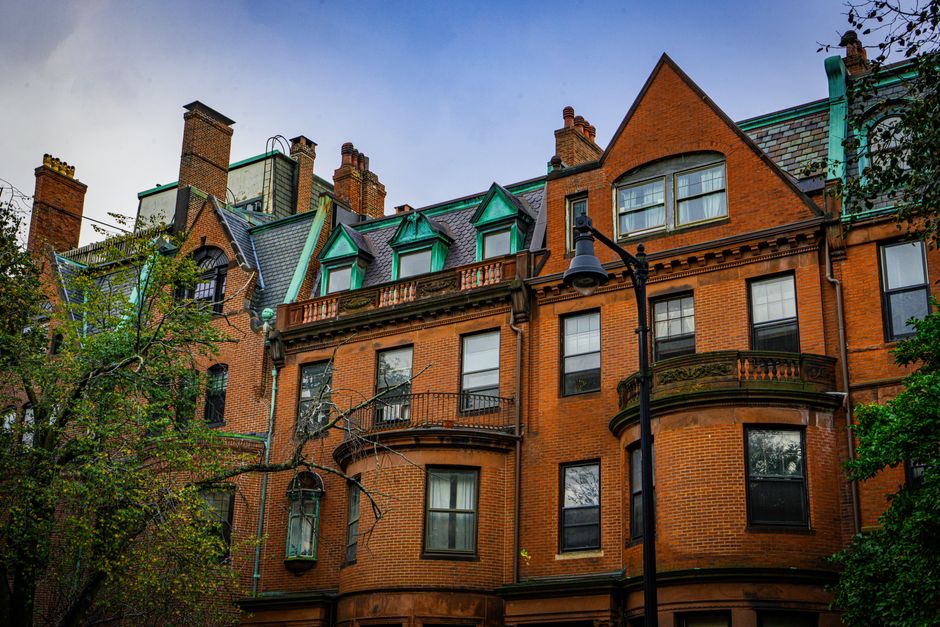
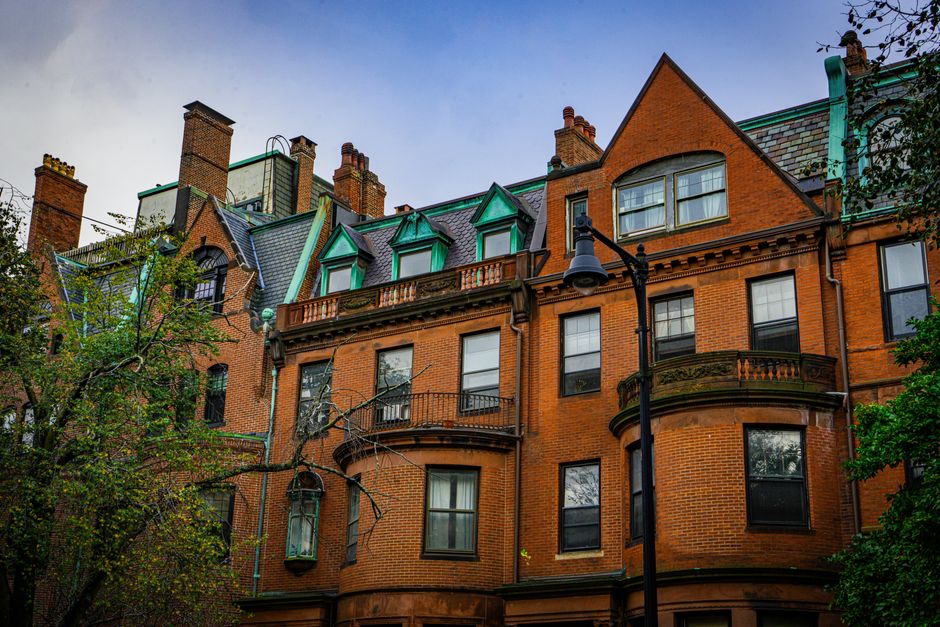
Boston's neighborhoods look picture-perfect on Instagram, but ask someone who's actually paying $2,400 for a one-bedroom in the Back Bay and you'll get a different story. We spent the past month talking to residents across the city's most sought-after districts to uncover what life is really like when the tourists go home.
In Cambridge, near Harvard Square, young professionals rave about the intellectual energy and walkability—the Fresh Pond Reservoir loop is genuinely beloved—but many admit the neighborhood has become increasingly corporate. Coffee shops have given way to chain restaurants, and the charm of Massachusetts Avenue comes with noise complaints and limited parking. One long-term resident noted that the neighborhood's transformation has priced out many of the artists and academics it once attracted.
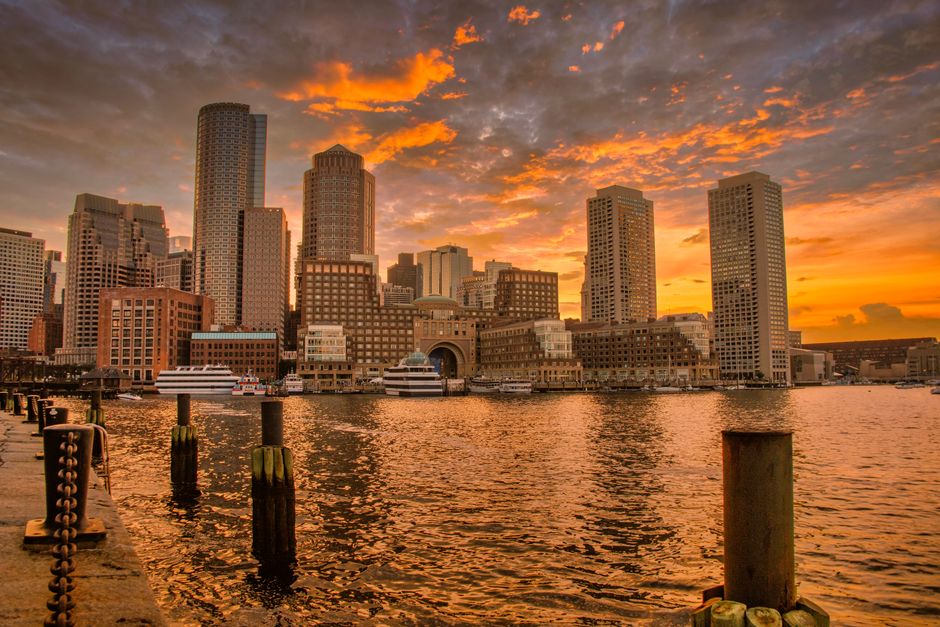
Seaport residents celebrate the waterfront access and new cultural venues, but they're candid about the lack of local character. The Rose Kennedy Greenway is spectacular, yet many acknowledge the area can feel sterile compared to neighborhoods with deeper roots. Summer weekends bring overwhelming crowds to Harborwalk, and the restaurant scene, while excellent, skews expensive.
Fort Point Channel residents highlight the artist community and accessibility to downtown, but construction noise remains an ongoing frustration. Meanwhile, Allston residents embrace the neighborhood's scrappy energy and affordability relative to nearby areas—it still attracts students and young professionals—though they're honest that nightlife can feel transient and the student population means constant turnover.
Beacon Hill delivers on its promise of historic charm and walkability to the Common, but the narrow sidewalks on Charles Street get dangerously crowded, and parking is practically nonexistent. Rent reflects the postcard appeal: expect $3,000+ for modest two-bedroom apartments.
Jamaica Plain offers genuine neighborhood character and a thriving arts scene centered around the Stonybrook area, plus reasonable proximity to Forest Hills station. Local business owners highlight the community's diversity and lower rents than Back Bay. But public transit reliability remains inconsistent, and the neighborhood struggles with safety concerns in certain pockets.
The honest takeaway? Boston's best neighborhoods aren't perfect, and what works depends entirely on your priorities. Residents universally praise the walkability, public transit access, and cultural institutions that define this city. But they're equally clear: choose based on what matters to you, not what looks good online. Tour neighborhoods at different times, talk to people in local cafes, and accept that every district requires compromises.
This article was compiled by AI and screened before publishing. See our editorial standards.
How does this story make you feel?
Spread the word
About this article
Published by The Daily Boston
Daily brief
Free, in your inbox before 7am. Weekdays.
More in lifestyle