Boston's Secret Advantage: Why This City Stands Apart in ...
Moving to a new city abroad is daunting—but Boston's particular blend of history, education, and walkability creates a lifestyle that few global metros can match.
Moving to a new city abroad is daunting—but Boston's particular blend of history, education, and walkability creates a lifestyle that few global metros can match.

For expats weighing relocation options, the decision often comes down to lifestyle trade-offs. Do you want cutting-edge tech culture? Affordable housing? A thriving food scene? Boston's distinctive advantage lies in how it delivers a rare combination that international newcomers struggle to find elsewhere.
Consider first the intellectual fabric. Unlike cities where expatriate life clusters in isolated bubbles, Boston's economy and social infrastructure have evolved around higher education and research institutions. Harvard, MIT, and Boston University don't just shape the employment landscape—they create a natural filtration system for curious, ambitious people. Walk through Cambridge or the Seaport District and you'll encounter genuinely international communities that have roots here, not just temporary postings. This translates to better schools, cultural programming, and professional networks for families staying beyond the typical three-year expat cycle.
Then there's the walkability factor, particularly when compared to sprawling American metros or even some European capitals. The Emerald Necklace—Frederick Law Olmsted's ring of connected parks stretching from the Common through Jamaica Plain—gives Boston an urban-pastoral quality that Houston, Denver, or even London's patchwork green spaces don't replicate. You can live in neighborhoods like Back Bay or Jamaica Plain, commute on foot or by bike to downtown, and access genuine wilderness within 20 minutes by transit.
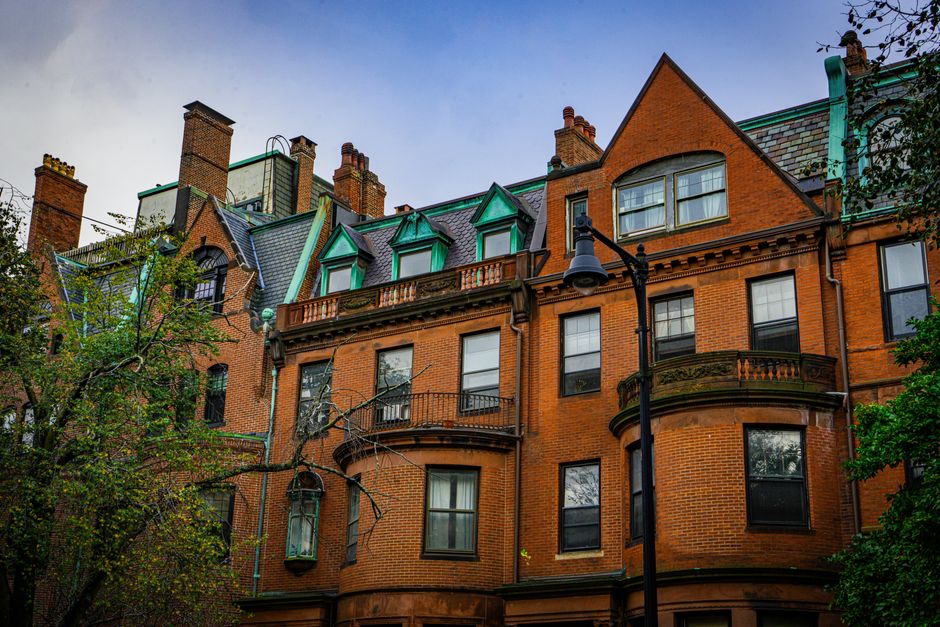
Housing is admittedly punishing. A one-bedroom apartment in Back Bay averages $2,400 monthly; comparable London flats might run £2,100 ($2,650). But Boston's proximity advantage matters: unlike Silicon Valley or New York, you can live in adjacent cities—Somerville, Arlington, Newton—with genuine community character and still maintain a reasonable commute. Many expats discover they actually want this, trading Manhattan-style density for neighborhoods with local bakeries and actual sidewalk life.
What truly distinguishes Boston is institutional stability combined with genuine diversity. The city has absorbed waves of Irish, Italian, Jewish, and more recently, Asian and Latino populations. This creates an expatriate experience fundamentally different from chasing opportunity in emerging markets or transient tech hubs. You're not an anomaly; you're the latest chapter in a well-established story.
Organizations like InterAction Boston and various immigrant-serving nonprofits provide practical support—from credential evaluation to housing assistance—that many relocating professionals don't expect to exist. The city feels established enough to offer real infrastructure for newcomers, yet dynamic enough that your presence actually shapes its future. That combination proves surprisingly difficult to find globally.
For those exhausted by relocation checklists comparing schools and commute times, Boston offers something subtler: the possibility of actually belonging, relatively quickly, in a place with genuine staying power.
This article was compiled by AI from the sources linked above and screened before publishing. See our editorial standards.
How does this story make you feel?
Spread the word
About this article
Published by The Daily Boston
Daily brief
Free, in your inbox before 7am. Weekdays.
More in lifestyle