Why Boston's Commute Is a Class Apart in the Global City ...
The T, walkable neighbourhoods, and a 375-year-old street grid make getting around Beantown fundamentally different from London, Tokyo, or Toronto.
The T, walkable neighbourhoods, and a 375-year-old street grid make getting around Beantown fundamentally different from London, Tokyo, or Toronto.
Ask a commuter in Singapore about their 90-minute subway ride, or a Londoner stuck on the Central Line during a signal failure, and you'll hear tales of transit misery. But Boston's approach to urban mobility—a quirky blend of colonial-era infrastructure, stubborn New England practicality, and genuine walkability—sets it apart in ways that visiting urbanists find genuinely fascinating.
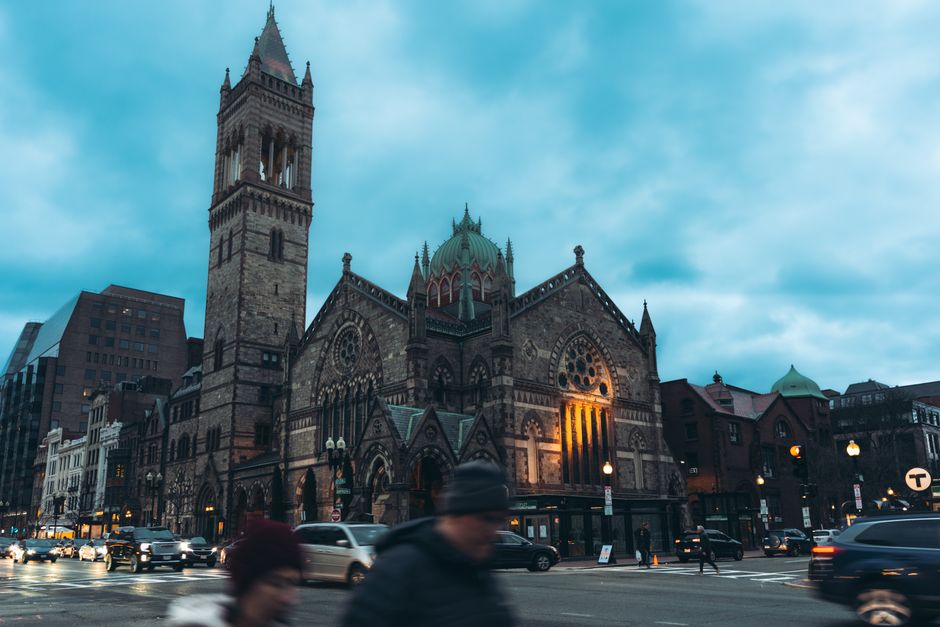
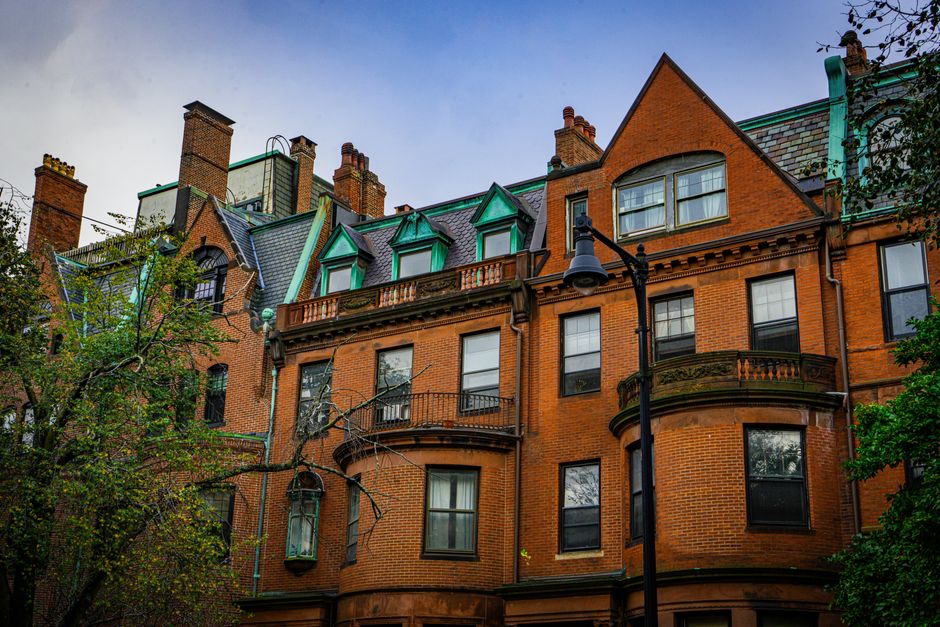
Start with the streets themselves. Boston's downtown core, anchored by the Freedom Trail and radiating out toward Back Bay and the Seaport, follows a pattern that pre-dates zoning codes and rational urban planning. Washington Street, Tremont Street, and Hanover Street snake unpredictably, creating neighbourhoods dense enough to walk through but human-scaled enough to actually enjoy. Compare this to the rigid grids of American cities like Los Angeles or the labyrinthine sprawl of most Asian metros, and you've got something genuinely distinctive: a place where you can actually reach dinner without a transit app.
The MBTA's Red and Green Lines, despite their reputation for delays—the average wait during peak hours hovers around 8-12 minutes—operate on a principle foreign to many global systems: they're genuinely integrated with pedestrian infrastructure. Catch the Green Line at Government Center, and you're steps from the Financial District. This kind of last-mile walkability isn't standard in London's outer zones or Toronto's sprawling streetcar network.
Cycling infrastructure has transformed commuting patterns here too. The recently expanded Emerald Necklace network and protected bike lanes along the Charles River harken back to a vision most cities abandoned decades ago. A commuter from Paris or Amsterdam might feel at home, but for North American standards, Boston's cycling integration remains remarkably progressive.
Then there's the price point. A monthly T pass costs $90—substantially cheaper than London's Zones 1-2 (£154), Tokyo's comparable transit zones (¥10,000+), or even Toronto's TTC pass at CAD$156. For a major global city, that's genuinely affordable mobility.
The quirks matter too. Locals navigate around the Big Dig's lingering effects, embrace the eternal Orange Line construction, and accept that the 39 bus route will always be inscrutable. But these frustrations exist within a framework that actually works: you can get from Somerville to the Seaport without a car, you won't spend a quarter of your salary on transit, and you can still reach your destination by foot if the system fails.
That's what makes Boston's commute unique. It's not the most efficient, the newest, or the flashiest. But for a city of 700,000—soon joined by another million in the metro area—it remains genuinely liveable without absolute car dependency. In 2026, that's increasingly rare.
This article was compiled by AI from the sources linked above and screened before publishing. See our editorial standards.
How does this story make you feel?
Spread the word
About this article
Published by The Daily Boston
Daily brief
Free, in your inbox before 7am. Weekdays.
More in lifestyle