Boston T Subway History: Why 1897 Design Still Rules
Explore how Boston's 1897 T subway system shapes modern commutes. Unlike DC Metro or Chicago's Loop, the T's historic design defines the city's transit culture and daily commuter experience.
Explore how Boston's 1897 T subway system shapes modern commutes. Unlike DC Metro or Chicago's Loop, the T's historic design defines the city's transit culture and daily commuter experience.
Listen to this article · 3:41
Ask a San Francisco commuter about their Caltrain, a Londoner about the Tube, or a Tokyoite about the Shinkansen, and you'll get efficiency. Ask a Bostonian about the T, and you'll get a story—probably a long one, possibly involving a Green Line delay and a philosophical meditation on patience.
But here's what makes Boston genuinely different: it's the only major American city where a system originally designed in 1897 still forms the backbone of daily life, for better and often worse. The Red, Blue, Orange, and Green Lines carry over 350,000 passengers daily through a network that predates most of its riders' grandparents. That's not dysfunction—it's archaeology.
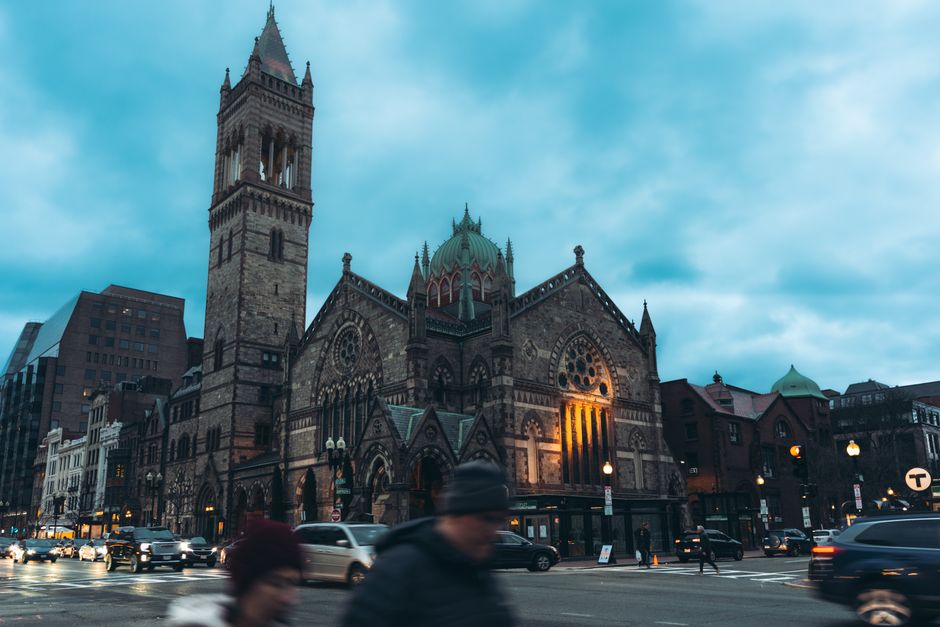
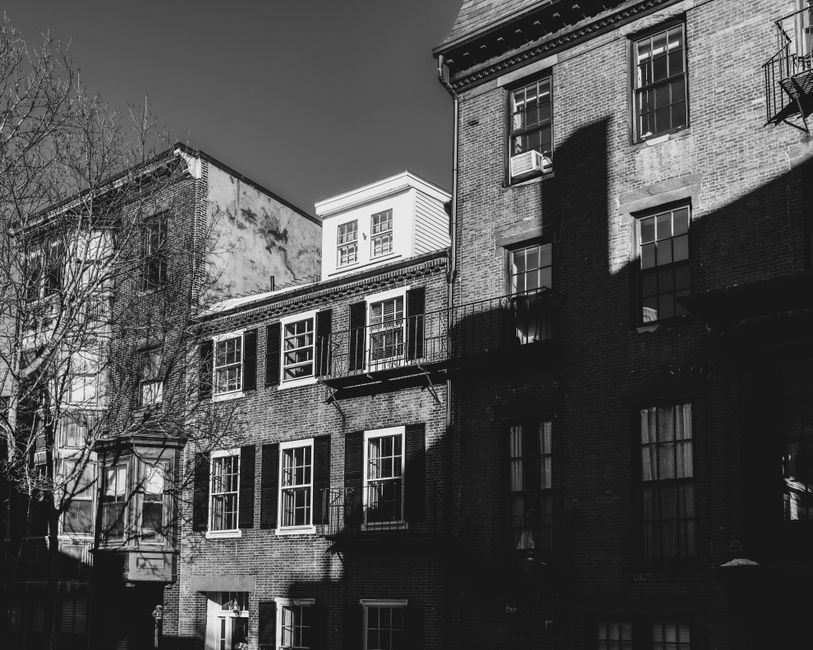
The T's peculiarity is quintessentially Boston. Unlike Washington's sleek Metro or Chicago's efficient Loop, the Boston subway emerged organically from this city's medieval street layout. You can't optimize chaos, so instead, Bostonians have learned to navigate it. The Green Line's infamous surface routing through downtown—where trolleys share streets with cars near Boston Common—creates a commuting experience found nowhere else in North America. It's maddening and irreplaceable.
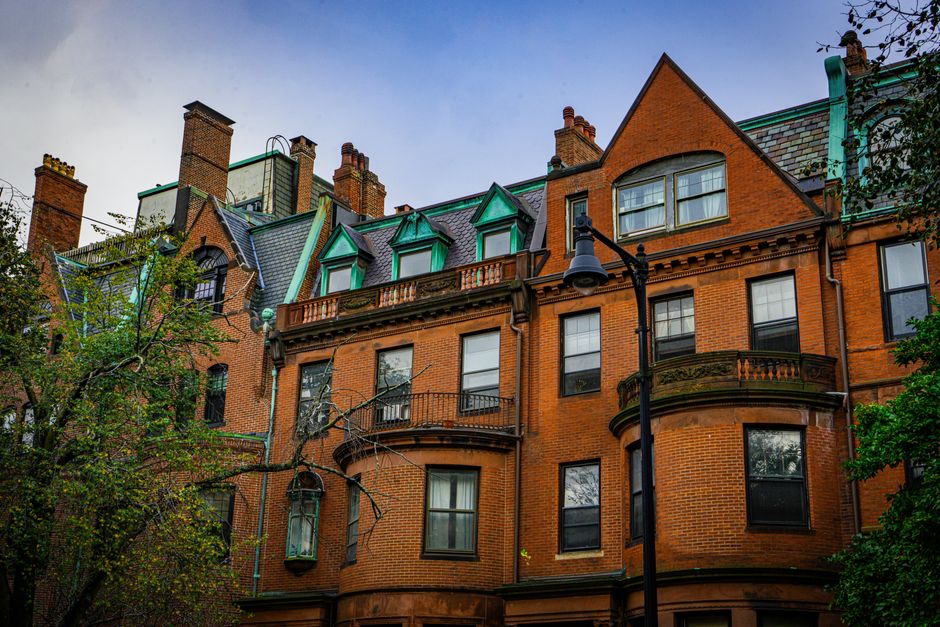
What truly distinguishes Boston, though, is how walkable neighborhoods demand less reliance on transit than comparable cities. A Back Bay resident might walk to work in Beacon Hill via the Esplanade. Someone in Jamaica Plain can reasonably bicycle to the Financial District via the Southwest Corridor Trail. Cambridge's Central Square, Davis Square in Somerville, and the North End's narrow Italian streets create human-scaled commuting that larger metropolitan areas have steamrolled.
Ride-share saturation here differs too. Uber and Lyft navigate Boston's anarchic street patterns more chaotically than in gridded cities, making them less reliable backups. Average ride times from Logan Airport to downtown (approximately $35-45) feel longer than comparable distances in other cities—partly because drivers must master routes that predate American automobiles.
A Bostonian commuting from Quincy to Kendall Square experiences something genuinely unique: multiple transit options (the Red Line, bus connections, even water taxi from the Greenway), navigating a city where Paul Revere's 1775 route still influences street geometry. The commute is inefficient, sometimes infuriating, but it's yours in a way that algorithmic ride-sharing and generic modern transit simply can't replicate.
That's Boston's transportation identity. Not the best system, perhaps, but authentically, stubbornly, unmistakably this city's own.
This article was compiled by AI from the sources linked above and screened before publishing. See our editorial standards.
How does this story make you feel?
Spread the word
About this article
Published by The Daily Boston
Daily brief
Free, in your inbox before 7am. Weekdays.
More in lifestyle