As capital chases Boston's transformation, the numbers reveal which neighbourhoods are actually delivering investor returns—and which are still pricing in tomorrow's promise.
As major construction transforms neighbourhoods from Seaport to Somerville, savvy property investors are recalculating rental returns and long-term positioning.
As institutional investors compete with owner-occupiers and university expansion drives demand, Boston's median price of $780k masks a city divided by neighbourhood dynamics and shrinking inventory.
As Massachusetts expands first-home buyer support, early returns reveal a widening gap between grant recipients and investment-focused purchasers reshaping Boston's neighborhoods.
As the city grapples with a $780k median and gentrification pressure, new data on community land trust yields reveals whether social housing can deliver both affordability and financial returns.
Major residential and mixed-use projects across Seaport, Kendall Square, and Assembly Row promise growth—but affordability and infrastructure remain the real test.
Stricter planning policies on Beacon Hill and in Back Bay are tightening supply of prestige properties, pushing ultra-wealthy buyers toward Brookline and Cambridge.
As Boston's rental market tightens in prime neighbourhoods while loosening elsewhere, both sides of the lease are recalibrating expectations and strategies.
As buyer assistance schemes expand across Massachusetts, data reveals which neighbourhoods deliver genuine returns—and where grants alone won't close the gap.
As development approvals surge across Somerville and South Boston, the numbers reveal a market where returns are tightening—and smart money is already pricing in reality.
University expansion, transit-oriented development, and persistent supply shortages are reshaping yields across the metro—here's what savvy investors need to know before making their next move.
With vacancy rates hovering near record lows, Boston landlords are enjoying strong returns—but the data reveals a market stretched thin and tenants paying the price.
As vacancy rates tighten and rents climb across the city, both renters and property owners face mounting pressure—leaving the future of affordable housing hanging in the balance.
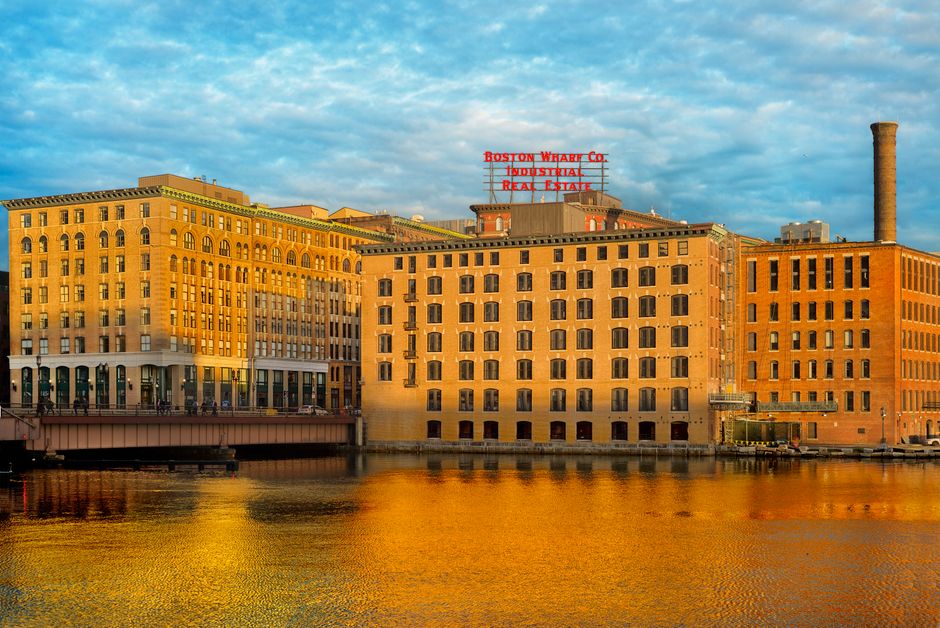
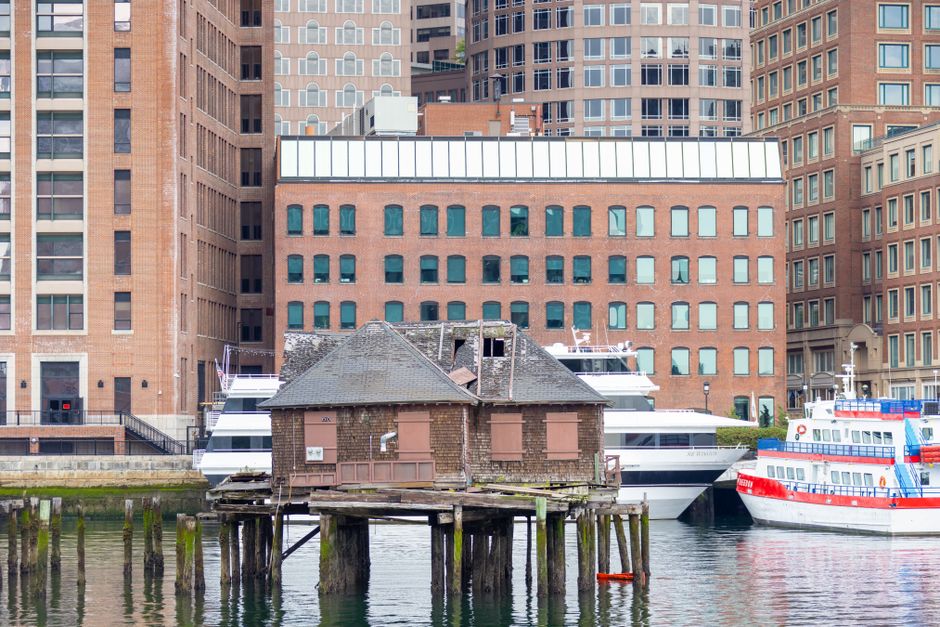
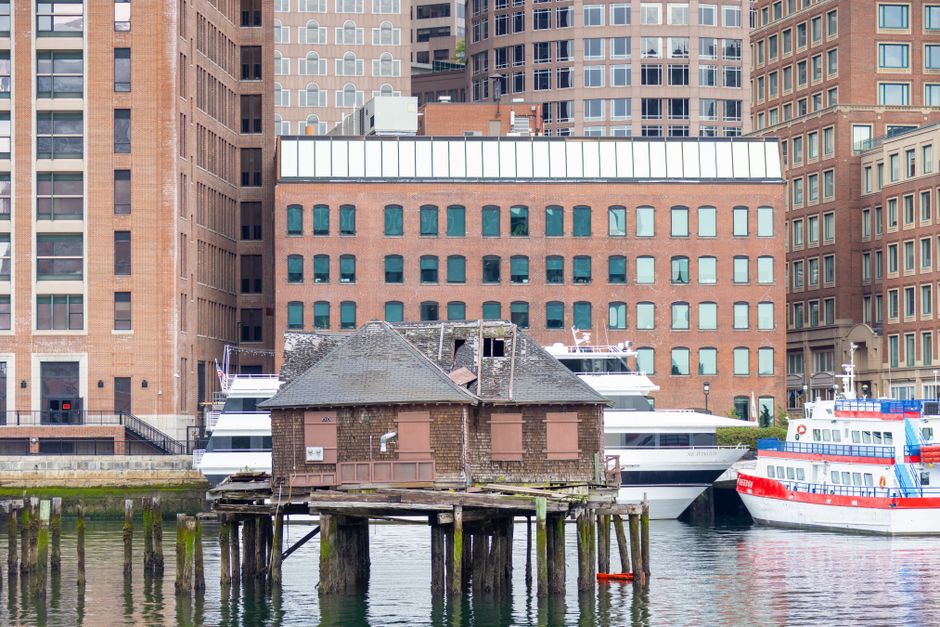
A sweeping new planning initiative could transform vacant industrial parcels along Fort Channel into residential, retail and office space, but not without community pushback.
As median prices across Boston breach $780,000, Jamaica Plain's tree-lined streets and transit access are drawing savvy buyers and developers seeking value before the inevitable correction.