Geopolitical tensions in Iran, Venezuela, and Pakistan are forcing local venture capitalists and founders to rethink supply chains, talent recruitment, and international expansion strategies.
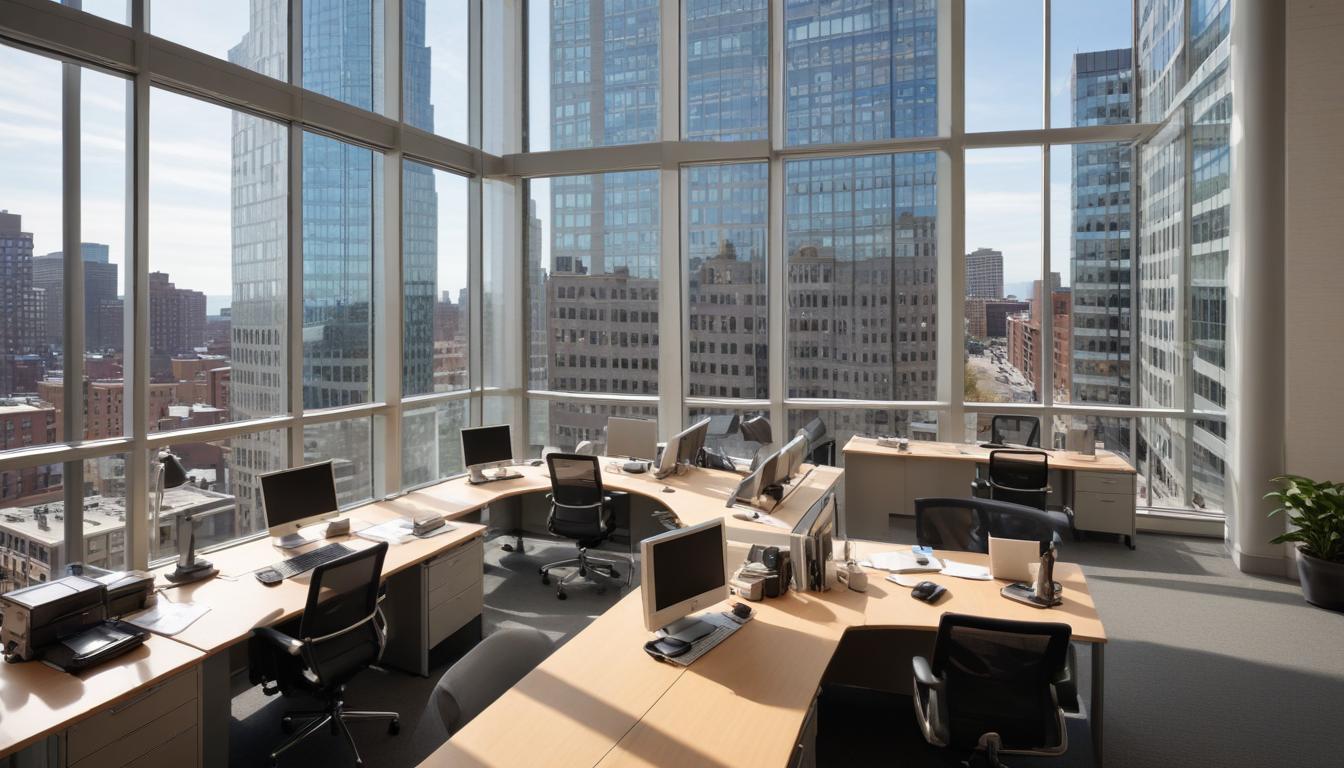
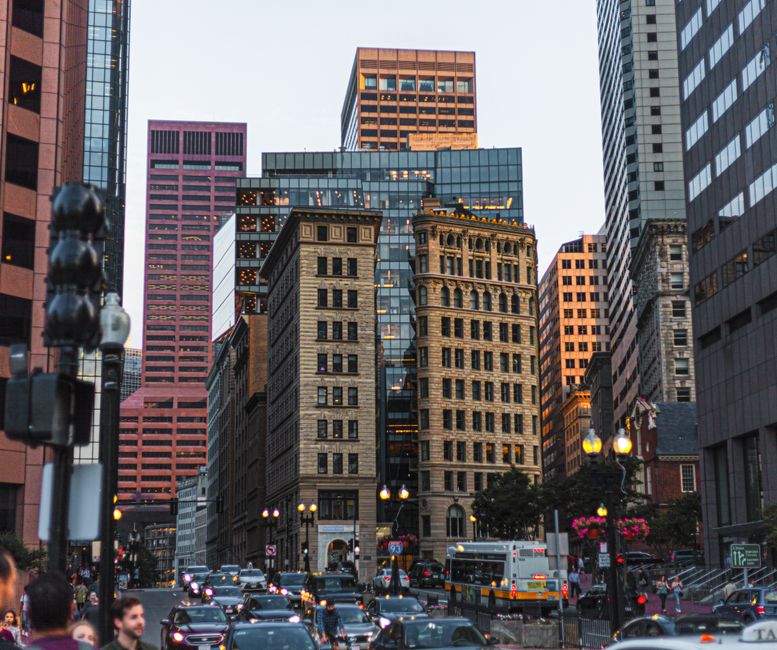
Two years into a hybrid-first economy, Greater Boston employers are competing fiercely for talent while downtown commercial districts grapple with structural vacancy.
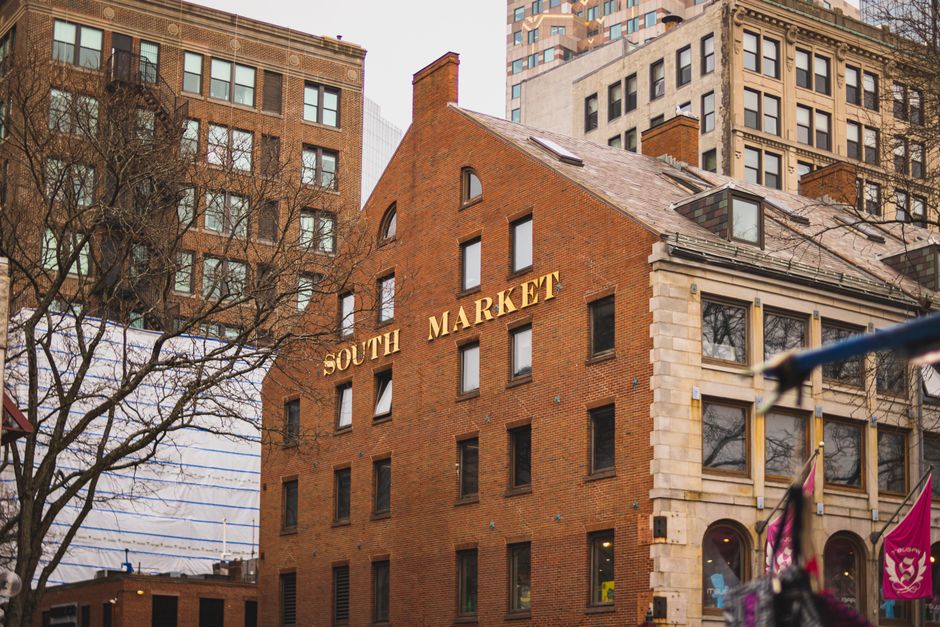
As geopolitical friction reshapes supply chains worldwide, everyday prices at Seaport District cafés and neighborhood shops are climbing—and the disruptions may last longer than expected.
From Venezuelan oil disruptions to Middle East tensions, international instability is forcing local entrepreneurs to rethink everything from inventory costs to shipping routes.
As rent climbs past $2,500 for a one-bedroom in Back Bay, employers across the city are scrambling to compete for workers who can no longer afford to live here.
Rising commercial real estate values, steady labor demand, and shifting consumer spending patterns point to cautious optimism—but underlying costs tell a more complex story.
Labor shortages, inflation, and changing dining patterns are squeezing profit margins across the city's restaurants and hotels just as summer tourism season begins.
As international travel patterns reshape and domestic demand concentrates around peak seasons, local operators face a new calculus for staffing, pricing, and marketing strategies.
As housing and everyday expenses reach record highs, companies across the Hub are struggling to recruit and retain workers—forcing a reckoning on wages and remote work policies.
As domestic travel rebounds faster than expected, established restaurants and hotels are expanding, while newcomers are staking claims in the city's competitive food and beverage landscape.
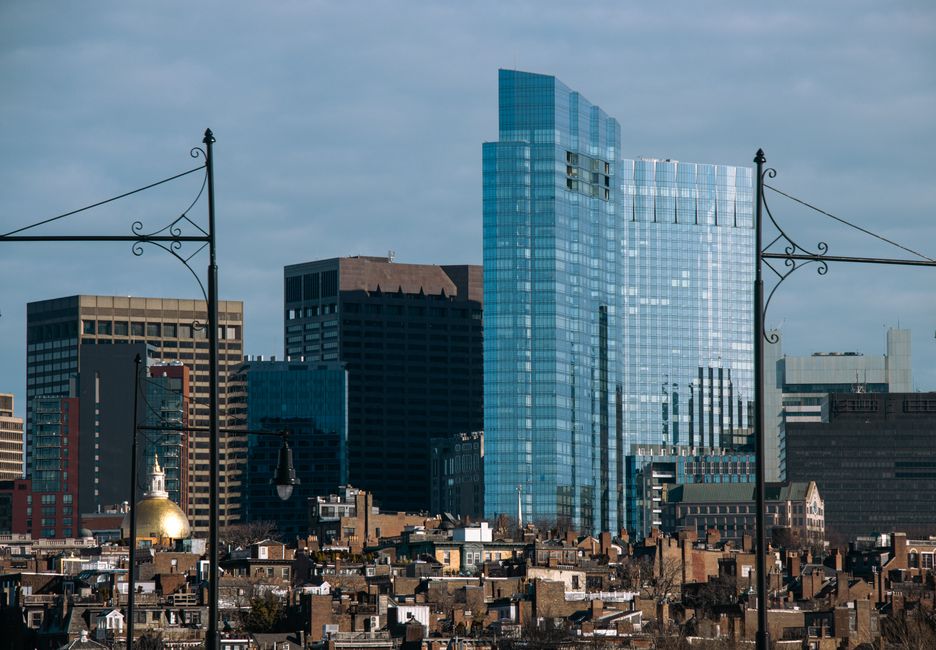
As startups cluster in the Seaport and Cambridge, everyday residents should understand how the city's tech ecosystem will affect their wallets and daily lives.