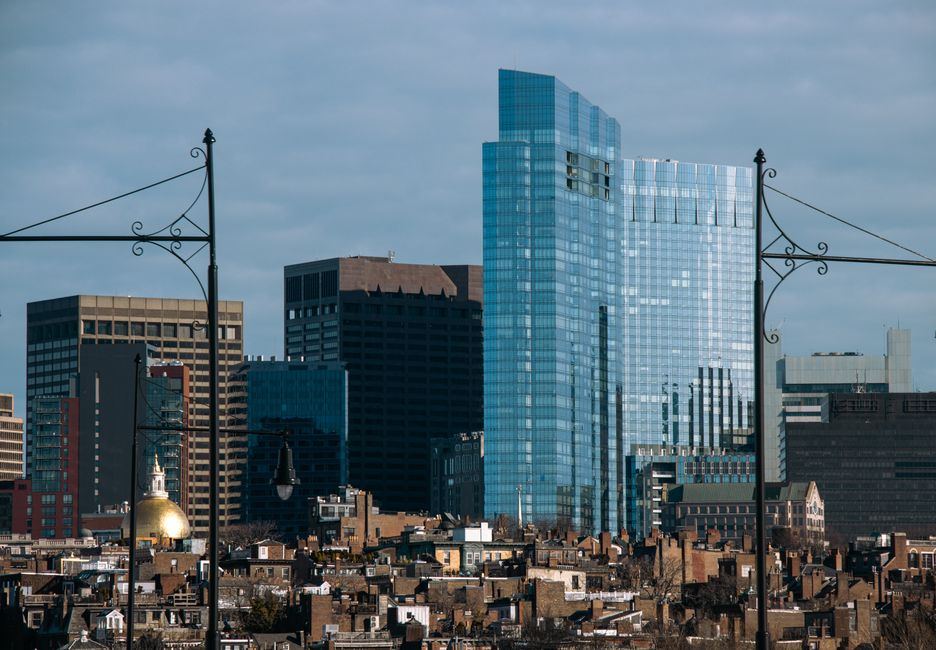
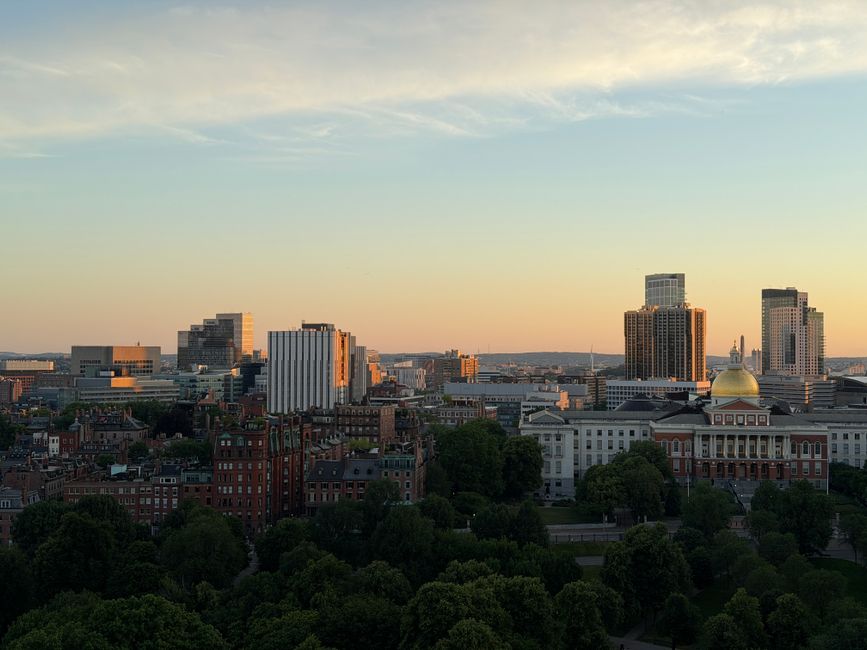
Talent drain, soaring real estate costs, and tighter venture capital are testing the resilience of Kendall Square and the broader ecosystem that built the city's tech reputation.
As tech and finance firms embrace flexible arrangements, downtown office demand has plummeted while suburban hiring surges, forcing employers to rethink compensation and talent strategies.
As landlords adjust to hybrid work reality, smaller investment firms and tech-forward tenants are seizing undervalued space on Boylston Street and beyond.
As foot traffic surges across the Seaport and Back Bay, smart operators are already reaping rewards from structural shifts in how Bostonians eat and entertain.
As Boston's commercial real estate market heats up, small business owners are facing a squeeze that could reshape the city's most beloved independent venues.
From Middle East tensions to African health emergencies, geopolitical shocks are forcing Boston's hospitality sector to retool its international marketing strategy and brace for reduced overseas visitor spending.
Mounting geopolitical tensions and volatile markets are forcing Boston's real estate, tech, and financial sectors to recalibrate strategy—and rents are already reflecting the pressure.
As international visitors flood the city, one local entrepreneur's hyper-local walking tours are capturing the market—and changing how travelers experience the city.
As remote work reshapes demand and rents stabilize, Boston's commercial property landscape is entering a critical transition period that will determine winners and losers.
Rapid expansion in Seaport, Kendall Square, and emerging hubs is driving wage competition and forcing established employers to rethink retention strategies.
As regional tourism bounces back faster than expected, established venues and emerging operators along the Seaport and in the North End are reporting record bookings and expansion plans.
As the city's unemployment rate holds steady at 3.8%, a Seaport-based software firm is leading a new wave of mid-market growth that's drawing talent back to Boston.
From supply chain disruptions to currency volatility, international instability is forcing local companies to rethink everything from hiring to expansion plans.
Rising operational costs and uncertain Fed policy are forcing companies across the city to rethink expansion plans, even as commercial real estate shows surprising resilience.
Rising interest rates, persistent remote work adoption, and a glut of new supply are squeezing landlords and investors across the city's prime commercial corridors.